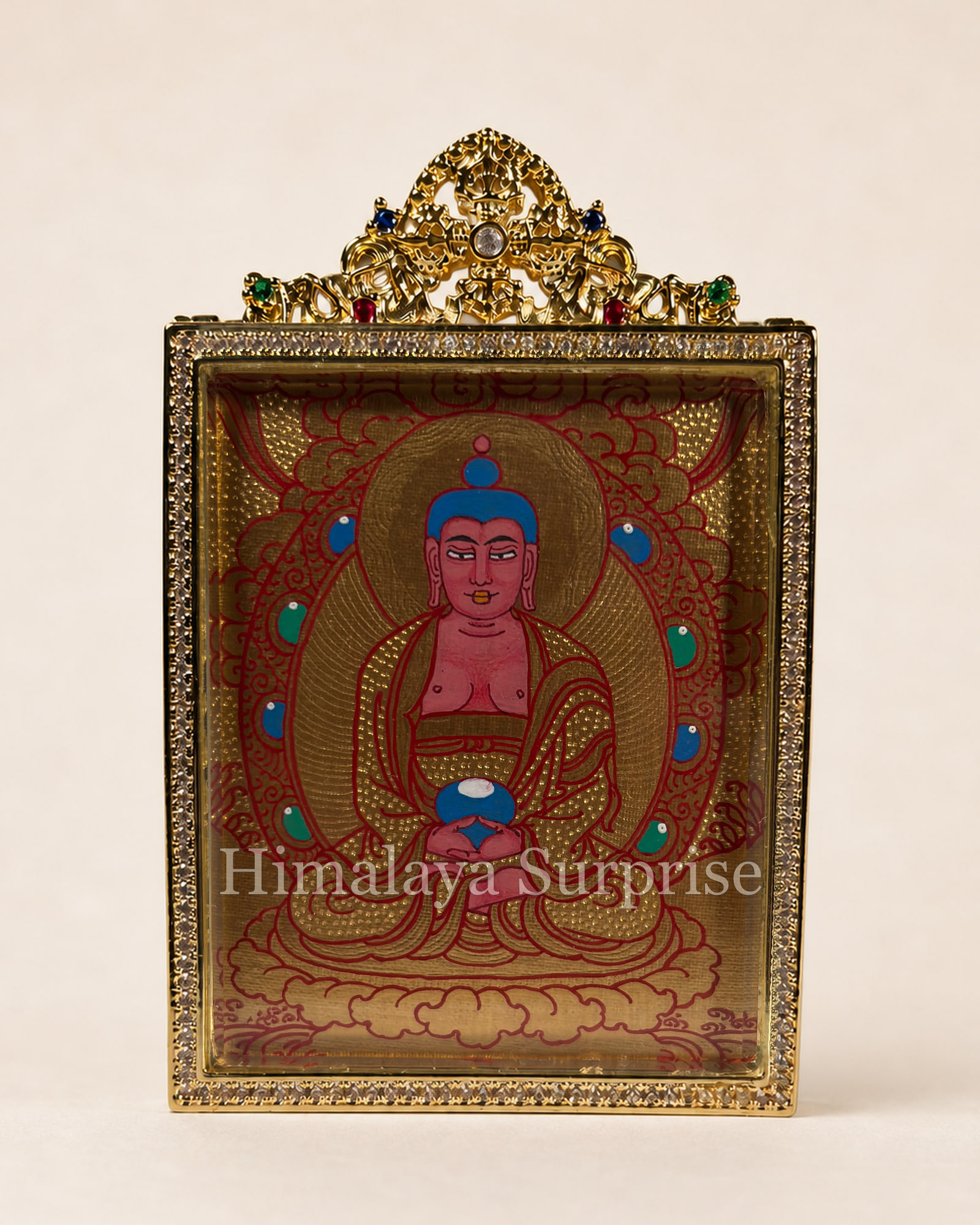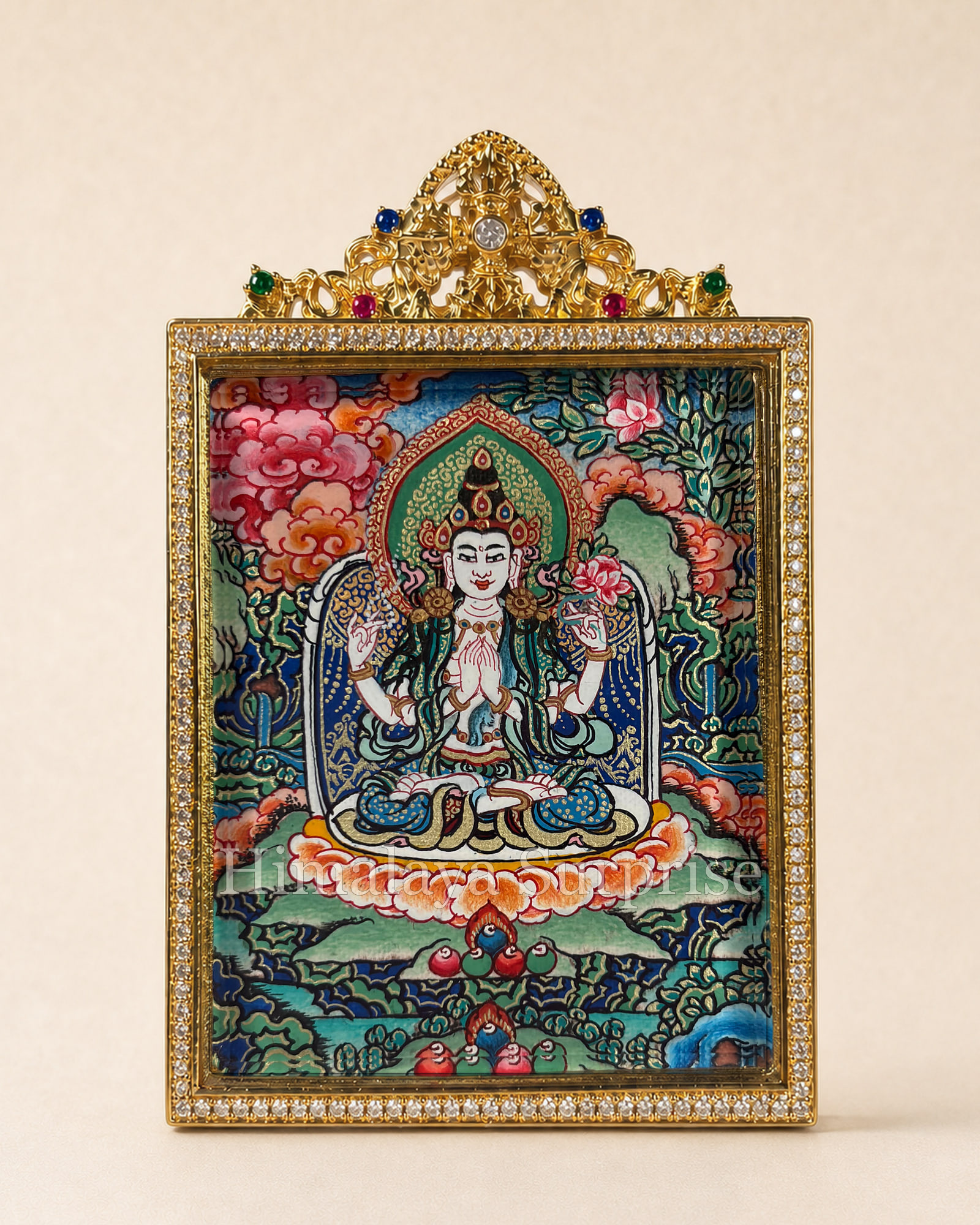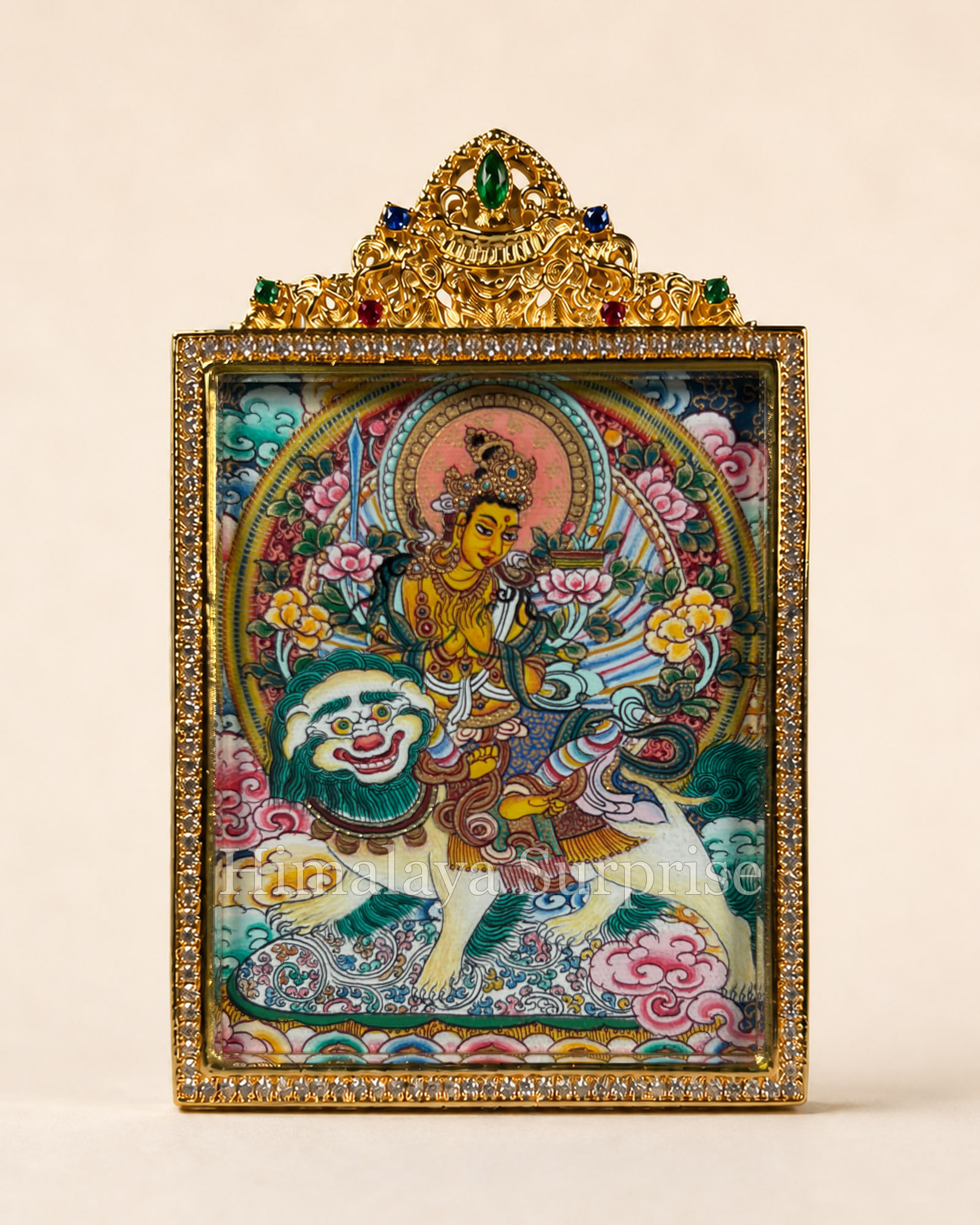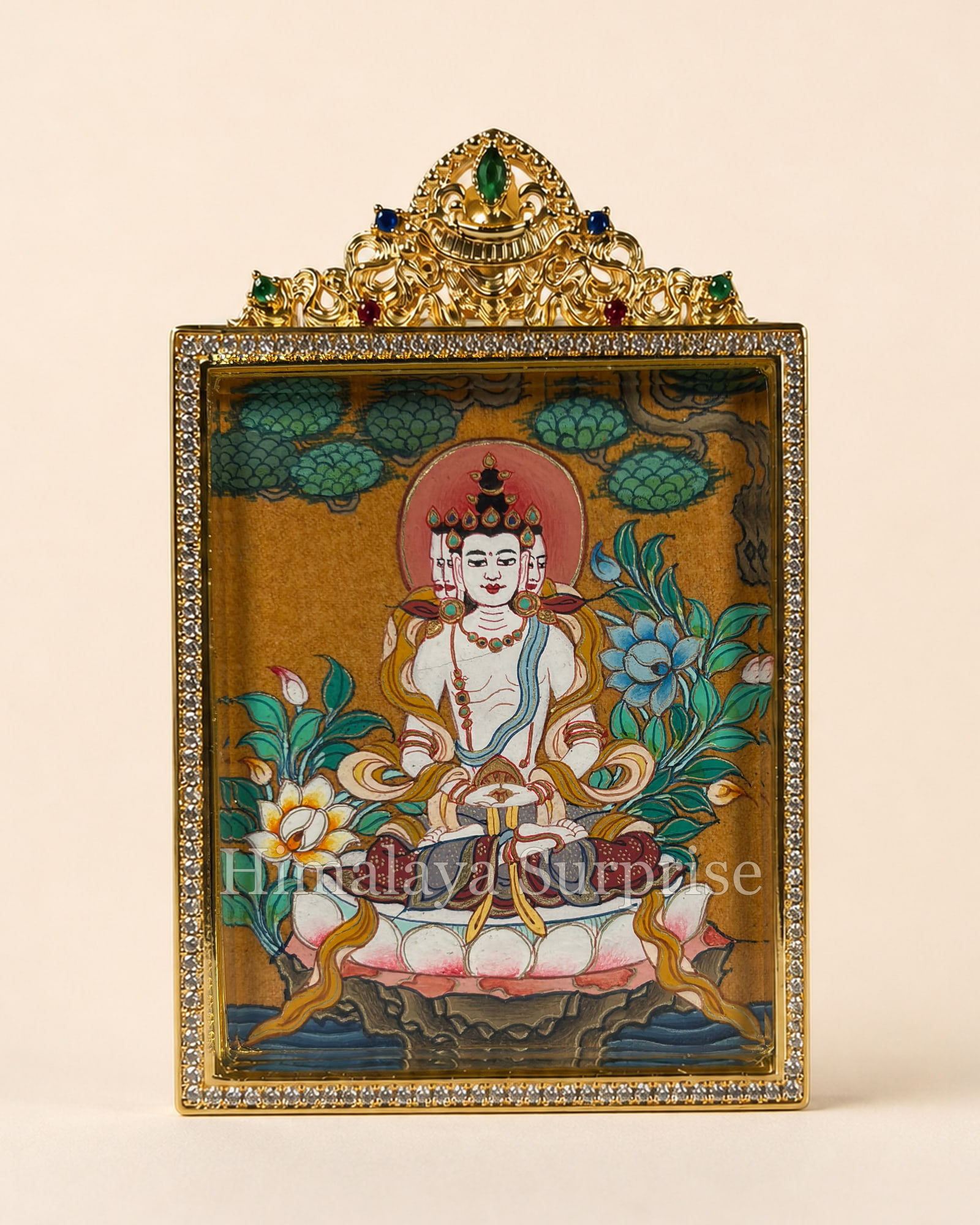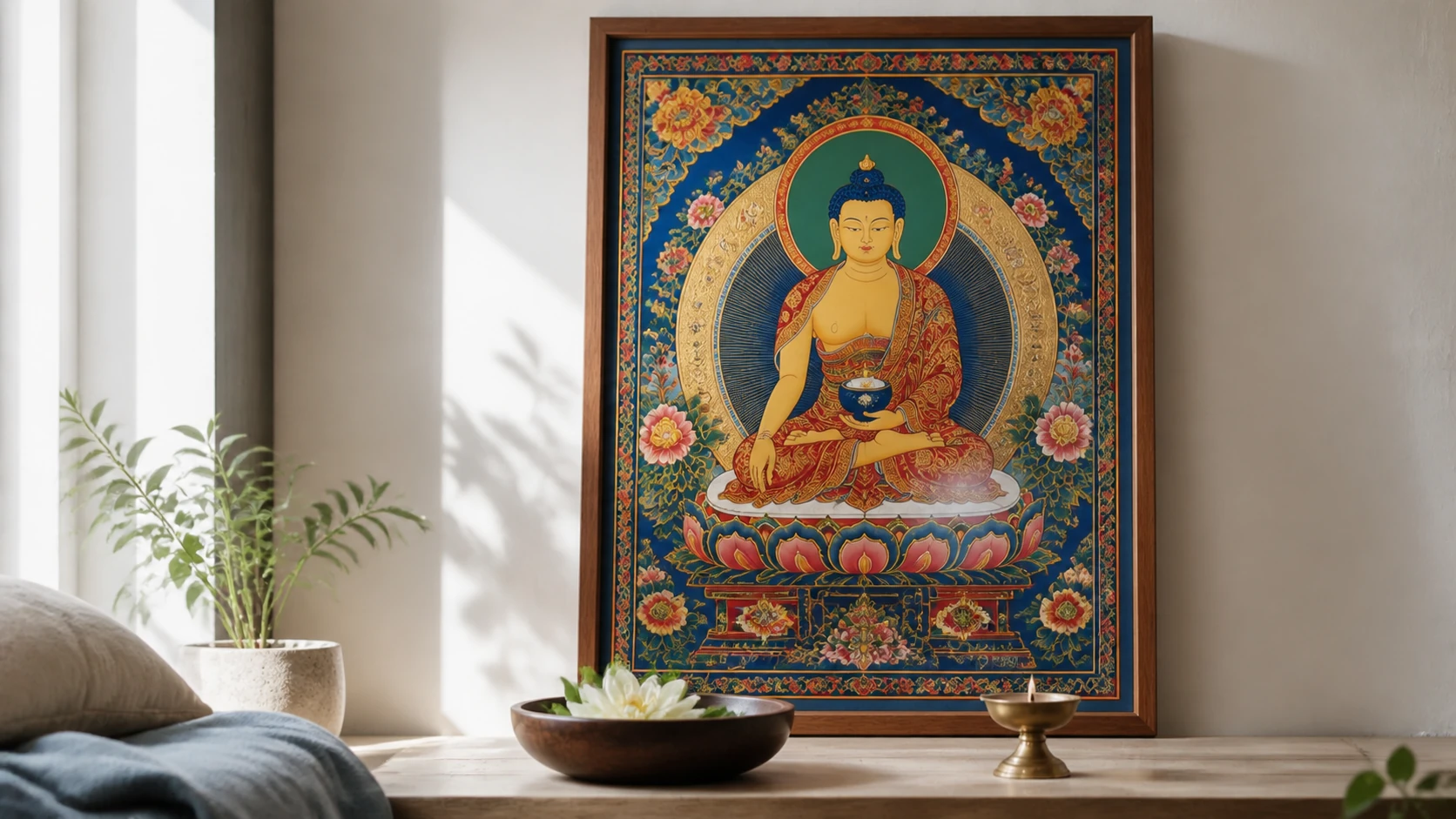
What does thangka traditional meaning refer to?
Traditional meaning may explain an attribute, a prayer, a story, or a figure's place in Buddhist practice. These layers give a thangka its visual and devotional depth, inviting the viewer to look at the image with patience and curiosity.
A viewer may begin with the central figure, follow the gestures and attributes, and then notice how colour and ornament guide the eye. Cultural knowledge and personal feeling meet in this attentive act of looking.
Associations are shaped by region, text, lineage and community, so a careful guide names its tradition instead of turning one explanation into a universal dictionary. The image remains the starting point: first identify what is visible, then connect it with the source being used.
What prayers are associated with different Buddhist figures?
In Buddhist traditions, Yellow Jambhala is associated with wealth, resources, generosity, and abundance; devotees may pray for sufficient means and the capacity to give. Green Tara is associated with compassion, protection, calm, and courageous action; devotees may pray for a compassionate and steady heart. Manjushri is associated with wisdom; devotees may pray for learning, discernment, and clear expression.
Medicine Buddha holds an important place in Buddhist traditions of healing and care. Devotees may pray for health, recovery, peace, and the well-being of caregivers and loved ones. These aspirations remain devotional; healthcare questions belong with qualified professionals.
How do symbols shape a thangka's meaning?
Traditional associations become visible through colour, posture, hand gestures, attributes, and the surrounding field of the composition. Yellow Jambhala's rich palette, Green Tara's poised movement, Medicine Buddha's calm presence, and Manjushri's sword and book each create a distinct visual rhythm.
The iconographic details invite a slower kind of attention. A lotus, a vajra, a jewel, a book, or a circular halo can become an entry point into the figure's story and the atmosphere of the whole painting.
How can you read a contemporary thangka through tradition?
A contemporary thangka can be enjoyed through its complete image and its details: the figure's name, the iconography, the colour palette, the gold work, the materials, and the way the composition holds the eye. The traditional associations give this visual encounter a deeper cultural horizon.
- Identify the principal figure and visible attributes before reading an association.
- Name the tradition or source behind an association when the record provides one.
- Keep the work's image, materials and individual record alongside the cultural reading.