Discover / Subjects & Meaning
Vajrasattva 100-Syllable Mantra: Text, Meaning and Pronunciation
Read one labelled IAST version of the Vajrasattva 100-syllable mantra, compare its short form and Tibetan phonetic line, and follow a few phrases.
In this story
The traditional Vajrasattva long mantra is often read alongside the shorter oṃ vajrasattva hūṃ form.
What “100-syllable” refers to
“100-syllable” is the traditional name for this long mantra; printed spacing and counts can vary.
The full mantra in IAST
One IAST presentation reads:
The short Vajrasattva mantra
A related short form is:
It is shorter than the 100-syllable text.
A few key phrases in plain language
The opening links Vajrasattva with samaya, a sacred pledge, and asks for protection and firmness. These are reading cues rather than a complete word-for-word translation.
IAST and Tibetan phonetic spellings
The short form above has an IAST spelling and a Tibetan phonetic rendering.
Benza and satva follow a Tibetan phonetic convention; they are not the IAST spellings vajra and sattva.
Why do some versions end with HUM or PHEY?
Compare these endings without joining them into one line.
Printed and recorded presentations are easiest to compare by their complete ending and spelling.
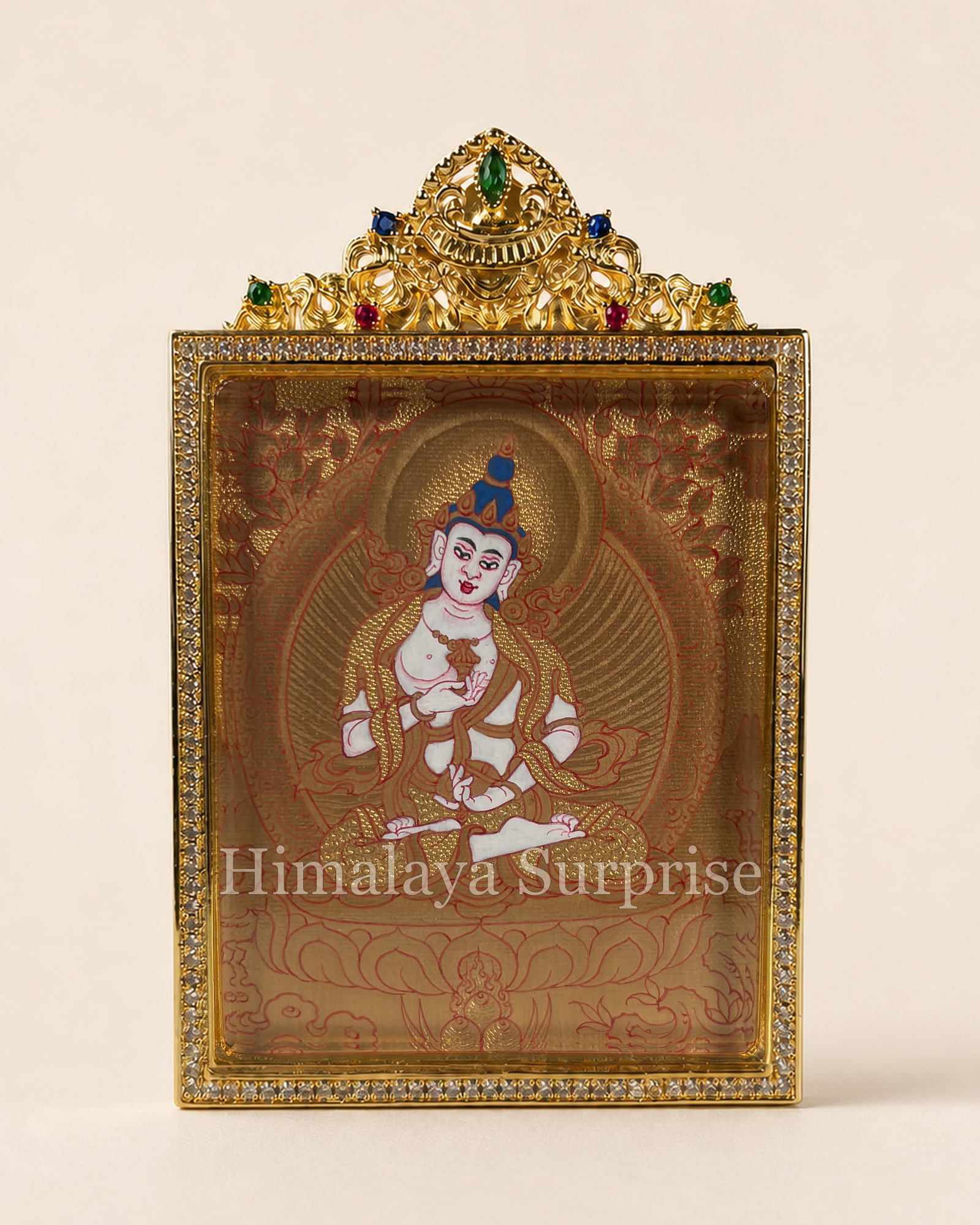
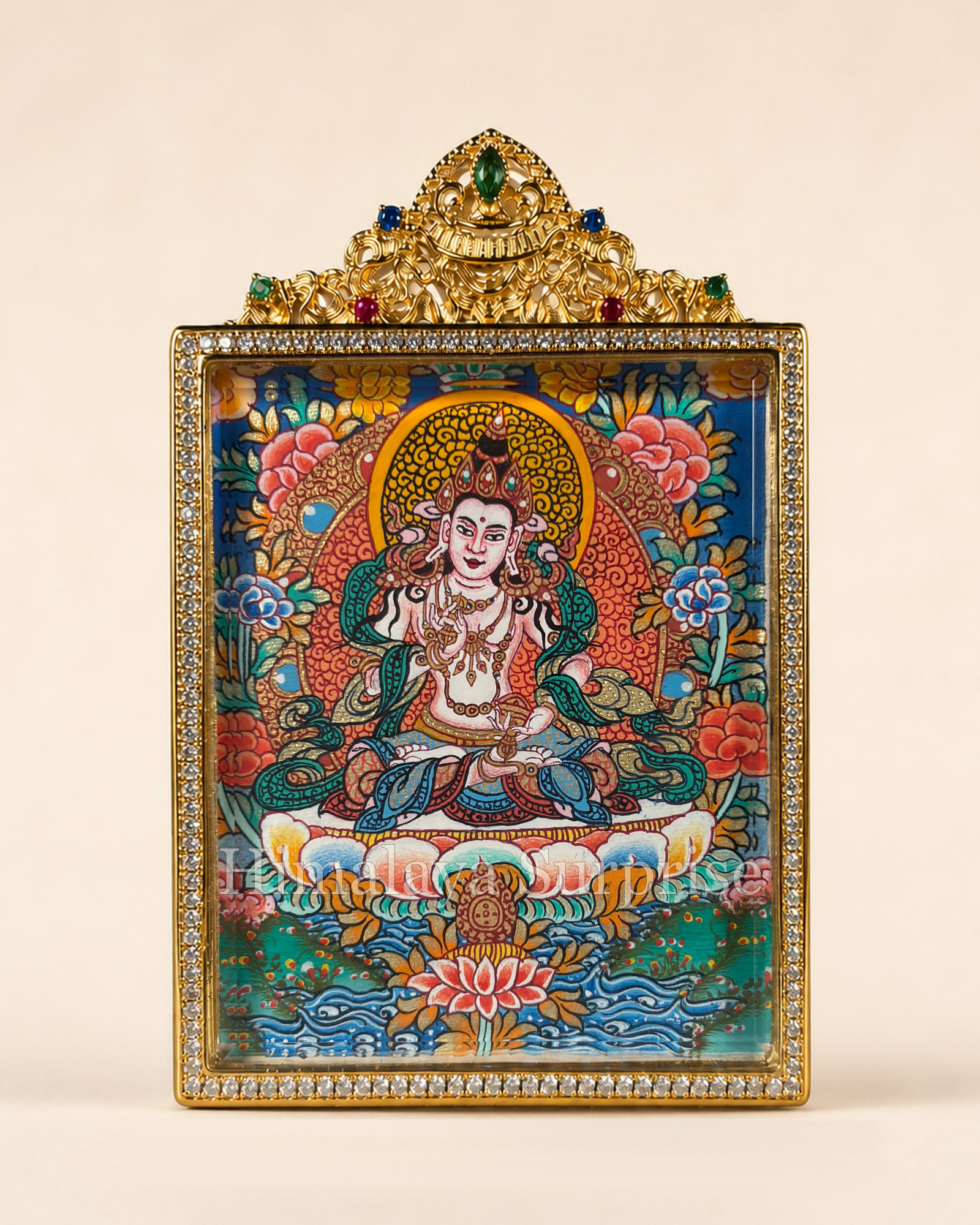
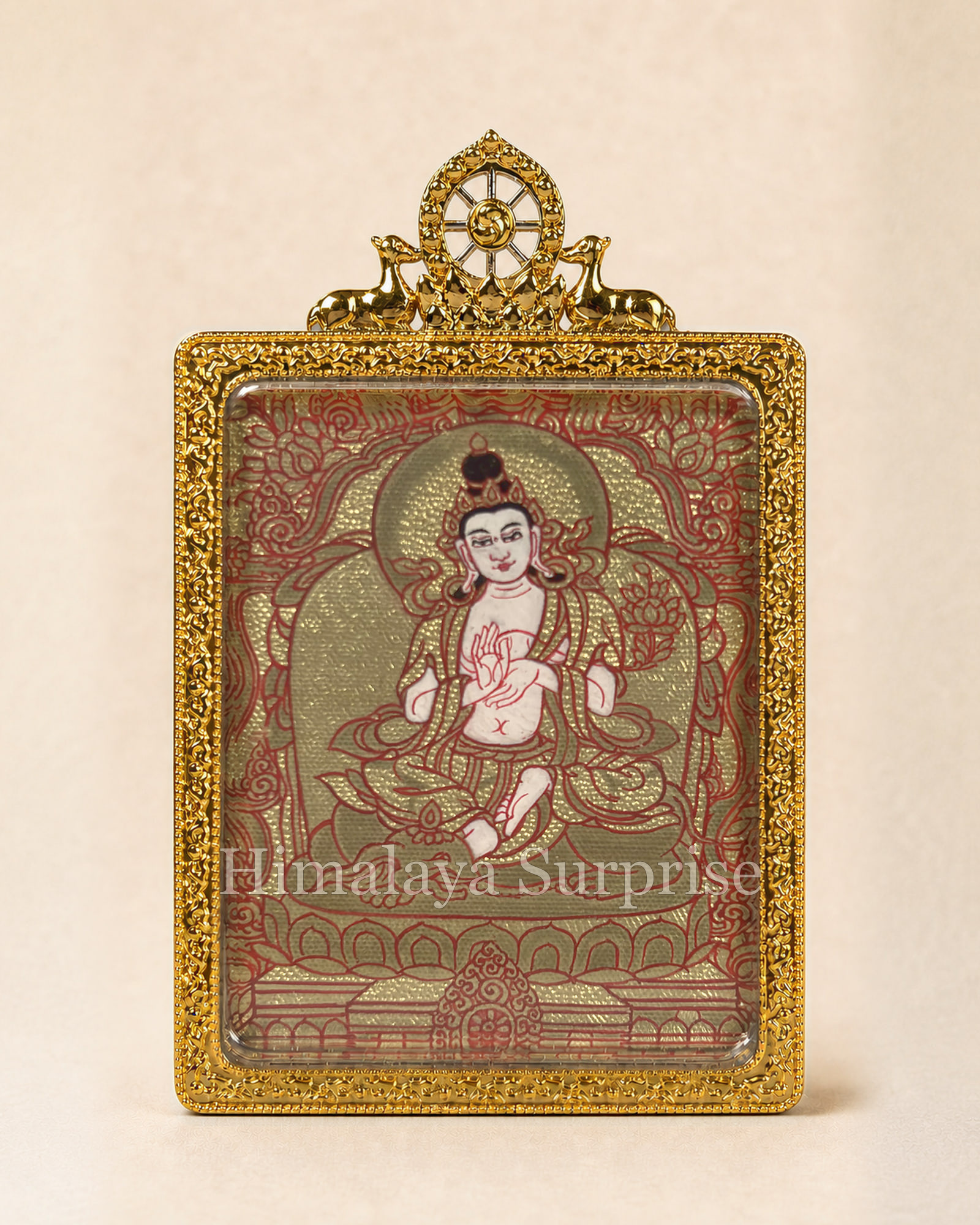
The mantra beside a Vajrasattva image
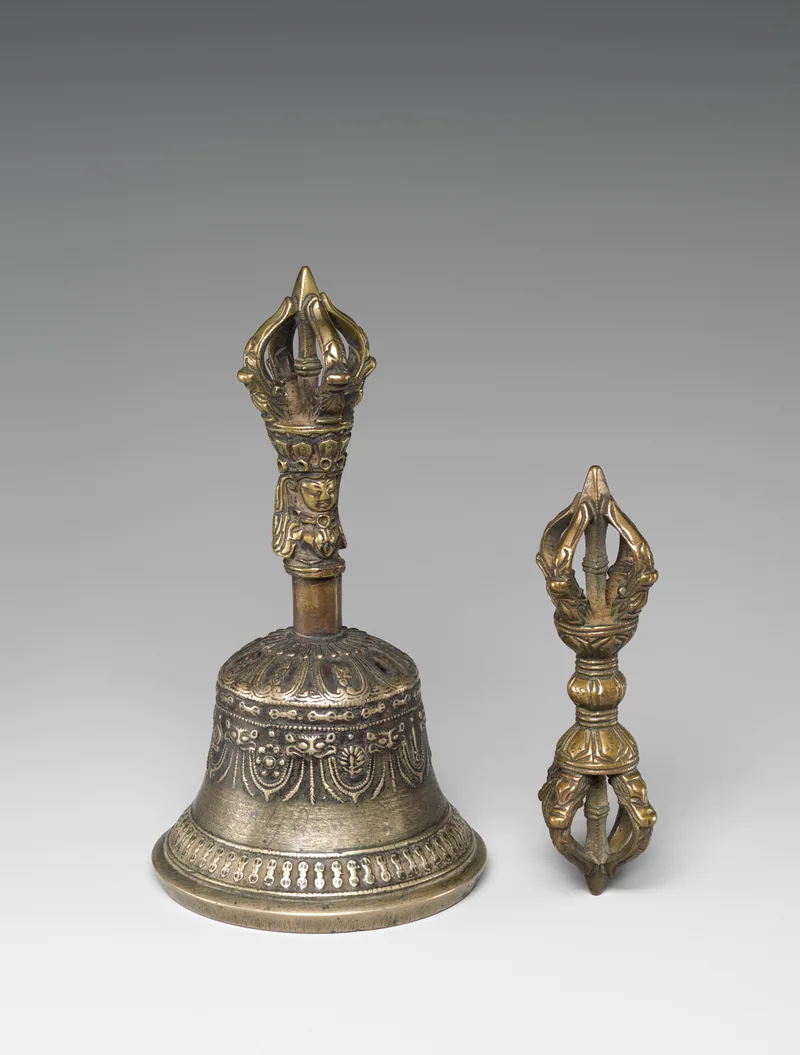
To connect the text with the image, the Vajrasattva meaning guide explains the vajra and bell; here the focus is on words and sounds.
Questions and answers
Is the short Vajrasattva mantra the full text?
No; it is the shorter form shown above.
Why do mantra endings vary?
A written IAST presentation and a phonetic presentation can use different endings; compare each whole line.