Collector Guides
Collecting Miniature Himalayan Art: Building a Focused Collection
A collection of miniature Himalayan art grows through attention rather than speed. One work may draw you in through a quiet face, another through an intricate border or a field of gold; together they become meaningful when you can see how subject, scale, line and colour speak to one another. Begin with the work itself, then let a personal point of view shape what comes next.
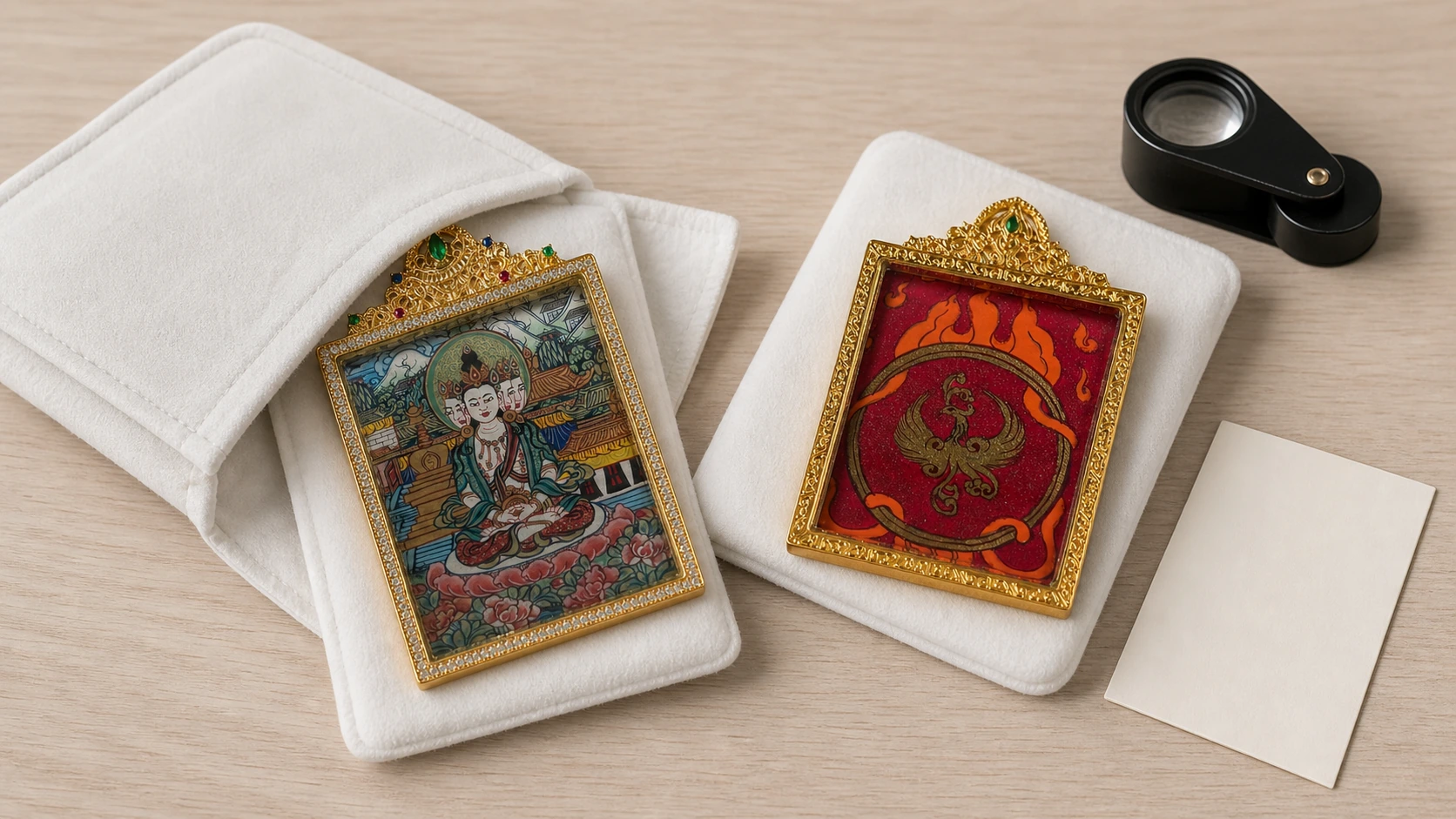
Begin with one work that gives your collection direction
Christie's collecting guides begin with looking closely and placing a work in its cultural and visual context. For a miniature piece, that first encounter can be wonderfully direct: identify the figure or scene, feel the scale of the painted field, and notice how the finished frame changes its presence. A title, dimensions and clear images then give your first impression a stable place to grow.
Let the collection's first question be visual and human: what makes you want to look again? The answer might be a particular Buddha, the balance of a central figure, the intimacy of a portable format or the discipline of a hand-painted surface. That answer becomes the thread connecting future choices.
Look for the decisions inside a small painting
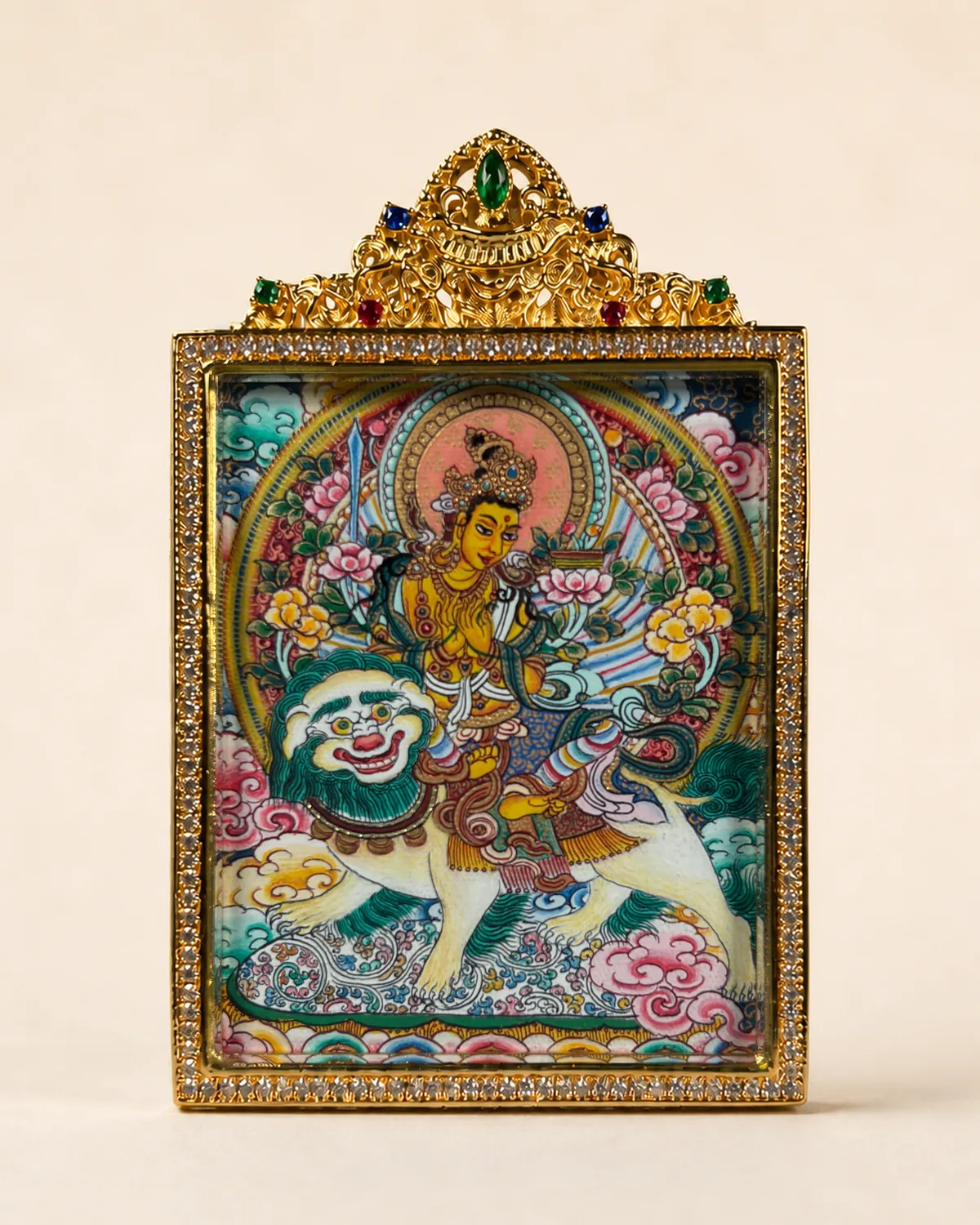
Himalayan Art Resources makes the scale of miniature painting vivid: the work is small, but the image is not simplified into a symbol. Let your eye move from the whole to the details. Follow the proportion of the central figure, the calm or energy of the expression, the spacing of the hands and attributes, the rhythm of the border and the way colour and gold hold the composition together.
The Rubin Museum's account of thangka painting also helps explain why the surface feels layered: drawing, colour, shading, outlining and gold develop in sequence. “Hand-painted,” “gold-ground” and “mineral pigment” describe different aspects of a work; when they are present, notice how each contributes to the image rather than treating them as interchangeable labels.
Compare with curiosity, not with a single scale
Comparison is one of the pleasures of collecting. Place works of a similar size together and notice line, expression and finish; place the same subject together and see how posture, attributes and surrounding details change; place gold-ground and polychrome works side by side and let the palette alter your reading. Each comparison opens a different question, so no single scale needs to decide everything.
Some collectors follow one figure across many works; others build a conversation between different subjects, regions or painting approaches. A personal collection can be devotional, visual, historical or simply guided by the pleasure of close looking. What matters is that the reason for choosing remains yours.
Give each work a place to live
Christie's and conservation writing both return to the life of the object beyond the moment of purchase. A miniature painting needs a stable, gentle setting: a shelf or case where its small scale can be seen, soft support when it is stored, and a place away from prolonged sun, humidity, water and abrasion. The way a work lives in your home becomes part of the relationship you build with it.
A work's price belongs to the whole picture: its scale, workmanship, materials, presentation, condition and the distinct character of that individual image. A thoughtful collector can appreciate those qualities without asking the work to promise a future financial return.
Let your collection develop its own voice
Keep a simple note for each acquisition: the subject, scale, artist or tradition when known, the detail that first caught your eye and the place where the work will live. Over time, these small observations reveal the line running through your choices and make the collection legible to you before it is legible to anyone else.
There is no required size for a meaningful collection. It might remain a few works that speak to one another, or grow across subjects, colours and forms. The strongest collection is not the largest one; it is the one whose works you can keep returning to with a fresh eye.
Sources
Further reading and verification
- Christie'sCollecting Guide: Himalayan Paintings
- Himalayan Art ResourcesMiniature Paintings in Himalayan Art
- Rubin Museum Project Himalayan ArtProcess of Thangka Painting
- Smithsonian Center for Folklife and Cultural HeritagePainting the Sacred: Tibetan Thangka
- Enlightenment ThangkaEverything You Need to Know Before You Buy a Thangka Painting
- Canadian Conservation InstituteBasic Care — Paintings
Related works
Continue with individual works.
These available works connect with the figures, subjects or visual clues in this story.
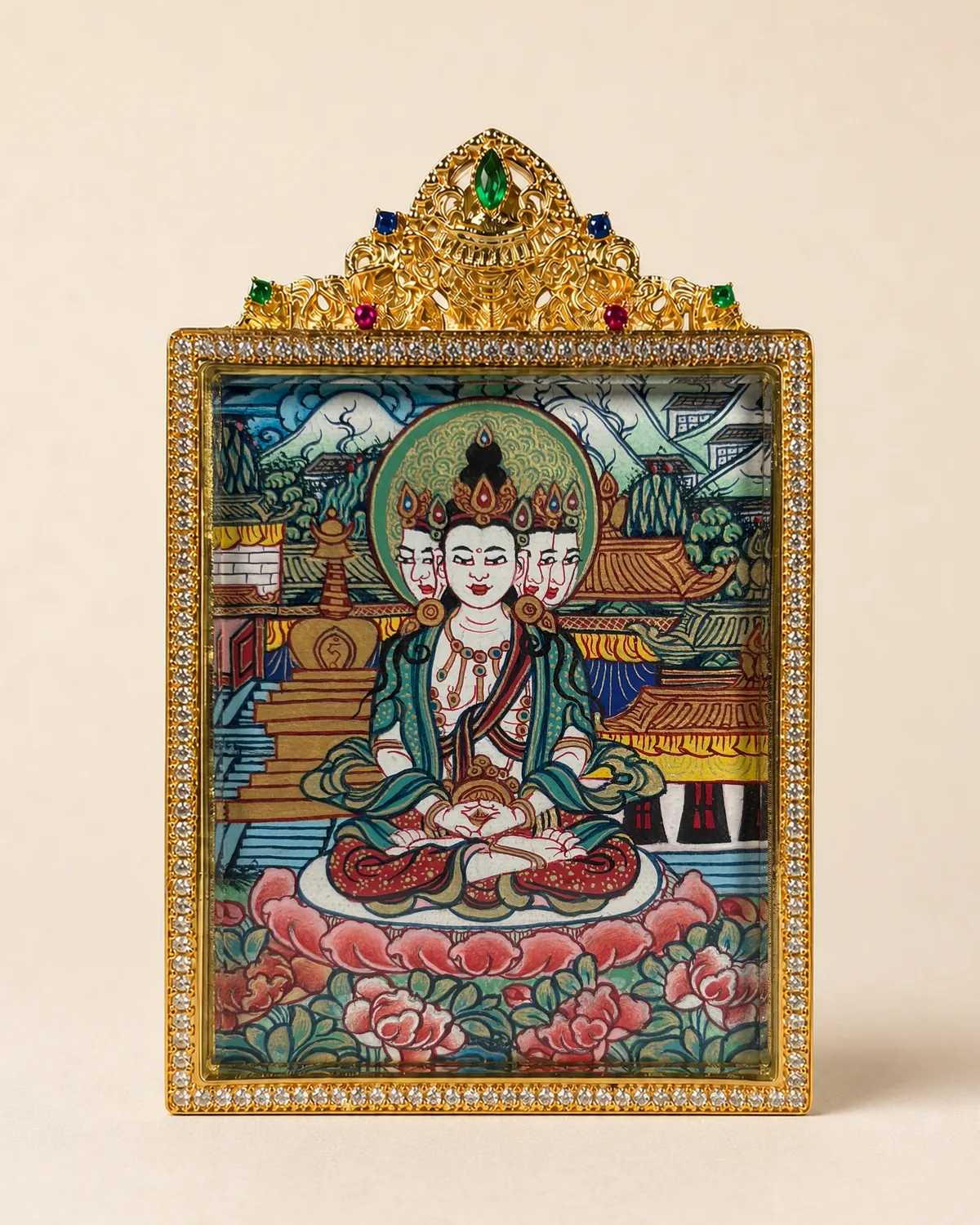
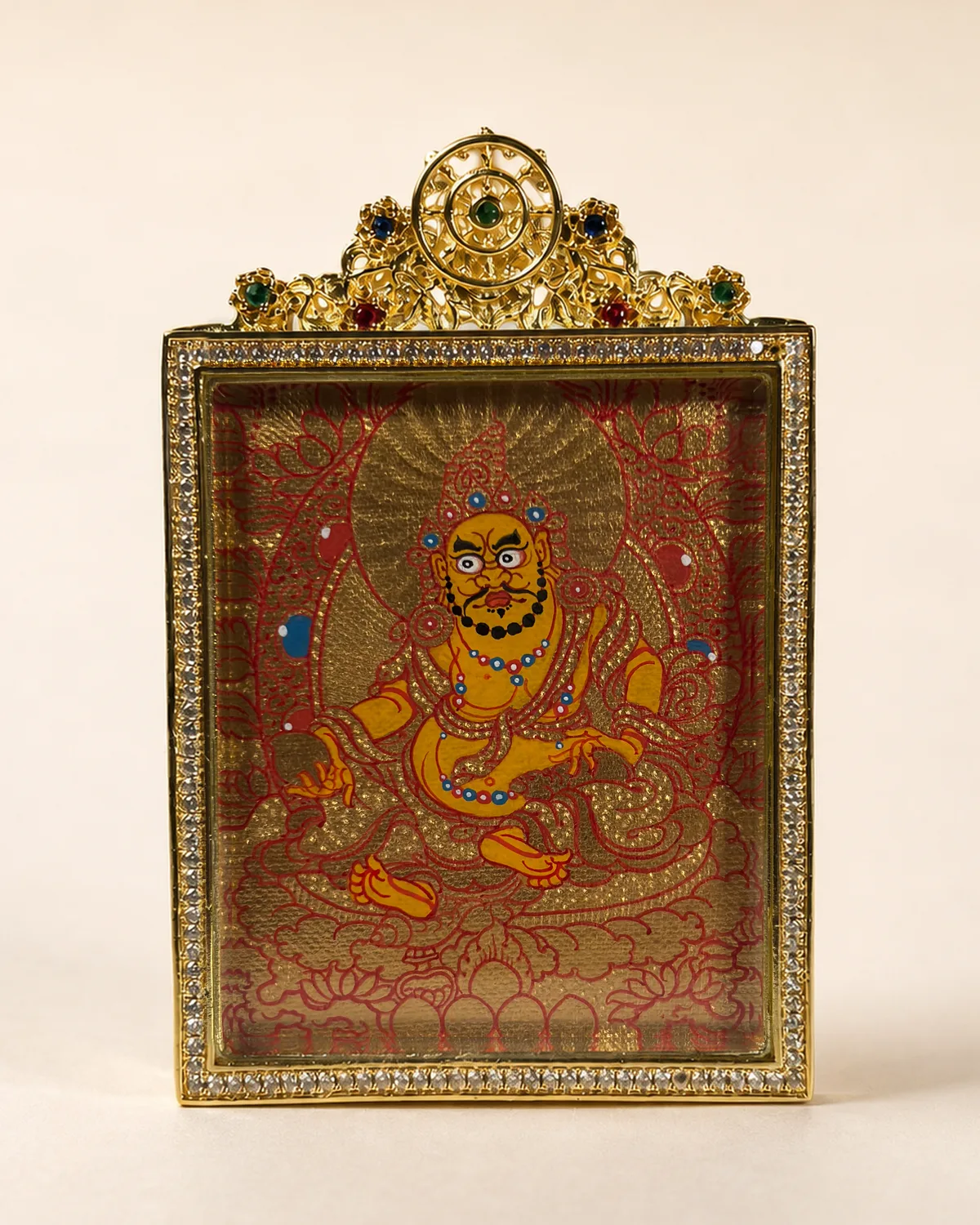
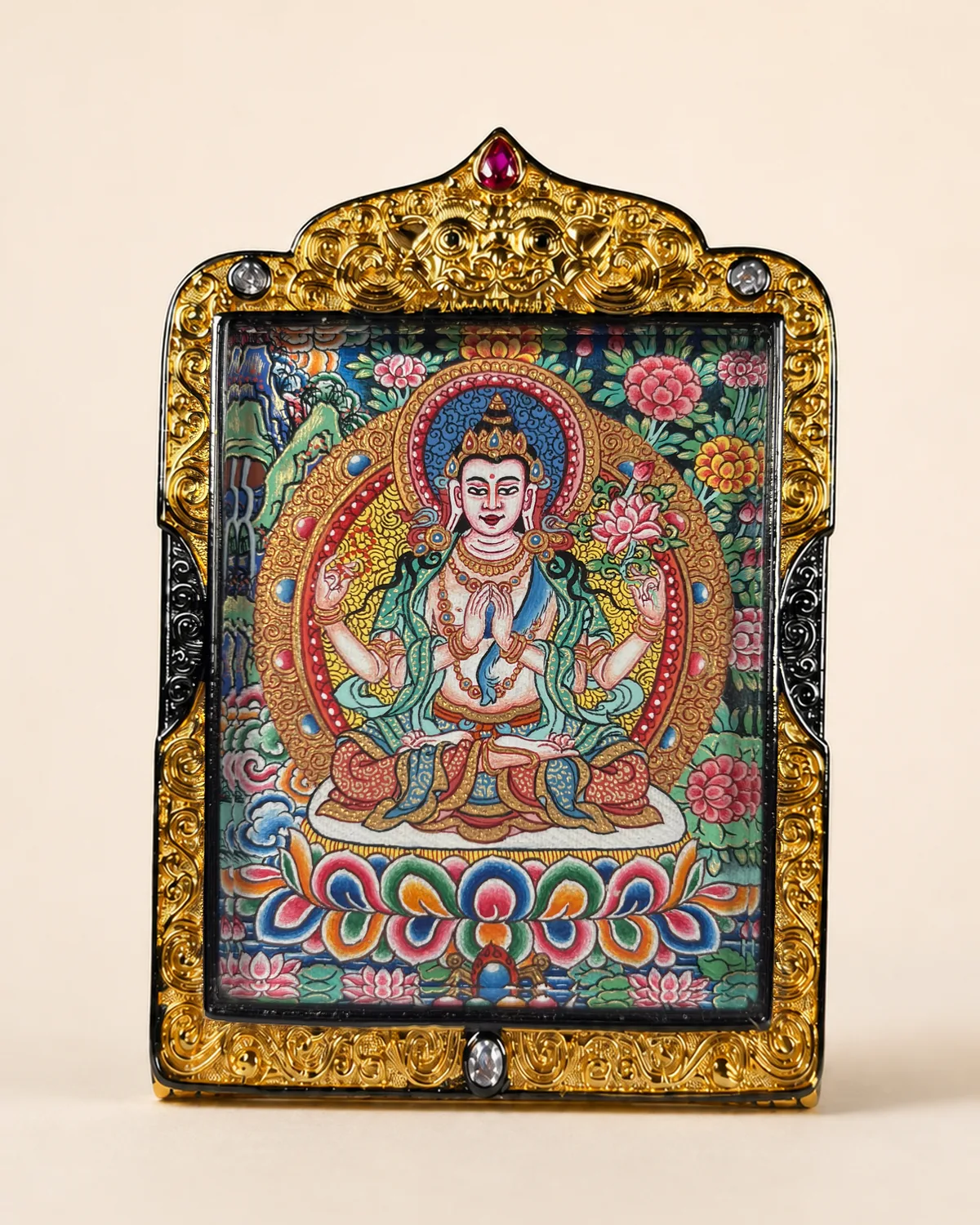
Enquire about a work
Would you like a closer look?
Want a closer view? Send us the work link or reference; we’ll confirm the available detail images, video and documentation.
Contact us