In this article
The Scope of Regional Names and Traditions
“Nepalese thangka” generally points to painting traditions rooted in Nepal. “Tibetan thangka” points to the traditions of the Tibetan regions. “Rebgong thangka” refers mainly to the Rebgong area of Huangnan in Qinghai.
These names first identify a geographic and lineage context. The same subject can still appear in different regions and schools, so a regional name does not describe every detail of an individual work.
A specific painting is better understood together with its artist, subject, linework, color, and composition. The regional name provides a starting point; the work itself provides the details.
The Nepalese Painting Tradition
Nepalese painting places strong emphasis on fine detail. Artists use small brushes to render facial features, textile patterns, ornaments, and background elements.
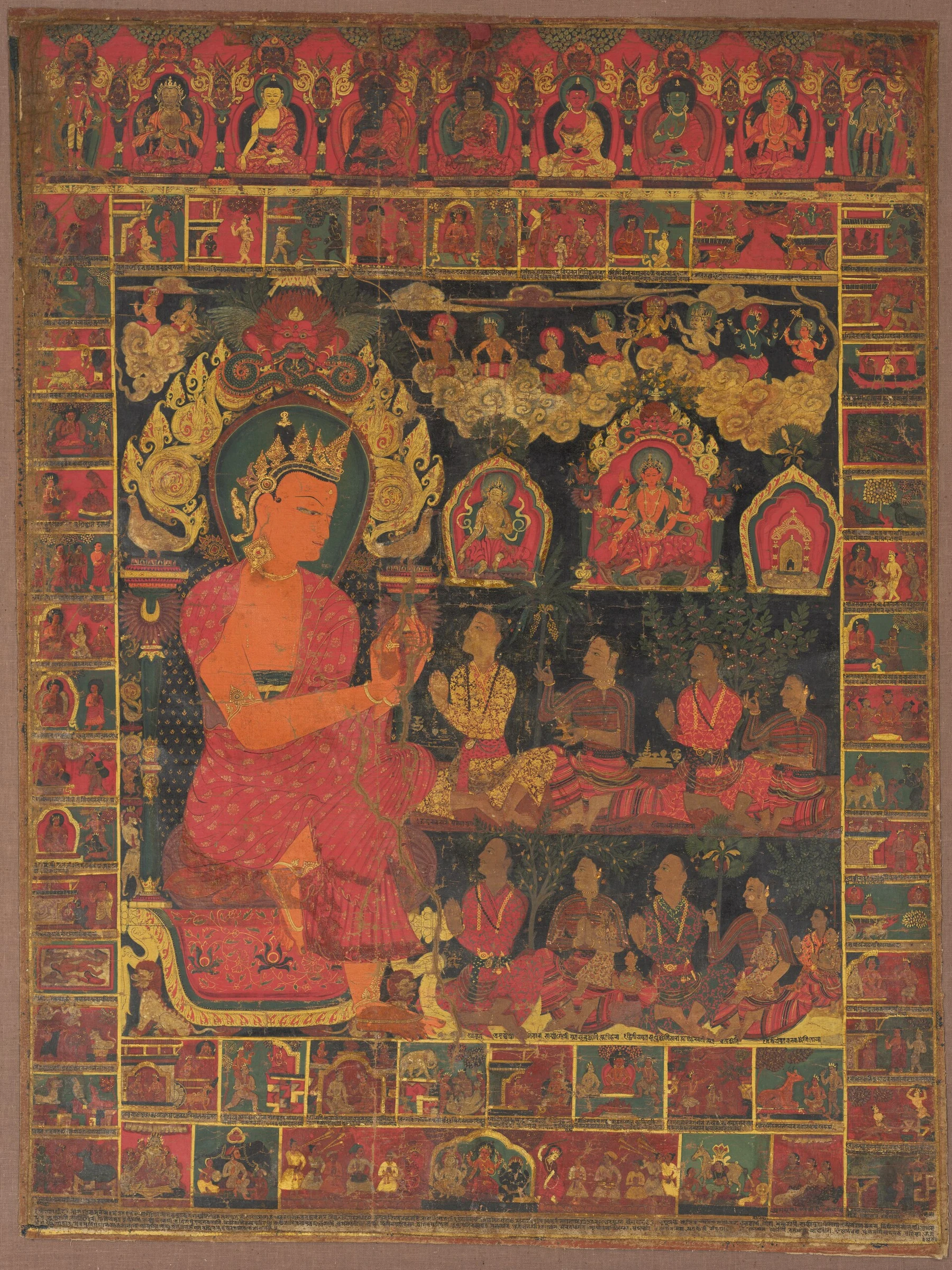
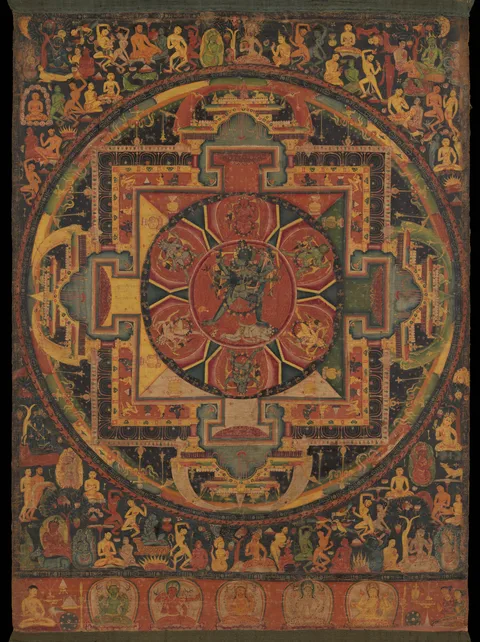
Nepalese thangkas are often described through rich color contrast and the use of gold on backgrounds, clothing, and decorative details. Figures may show an Indo-Nepalese artistic character, including narrow eyes, softer facial contours, and graceful poses. Terms such as Newar and Tamang also appear in descriptions of Nepalese traditions.
Some Nepalese thangkas are produced through a workshop division of labor: different people may handle the canvas, coloring, gilding, shading, and face details. This makes production more efficient, while details and overall unity may receive less attention.
Some Nepalese works may omit details, show repeated or hesitant lines, or have facial features that lose their form. Some works use advertising colors or other commercial materials, while others combine a printed base with hand finishing. These treatments can make the surface look rough or visually disordered.
Nepal also has fine works. The practical way to judge a specific painting is to return to its linework, details, face, color handling, and actual production method.
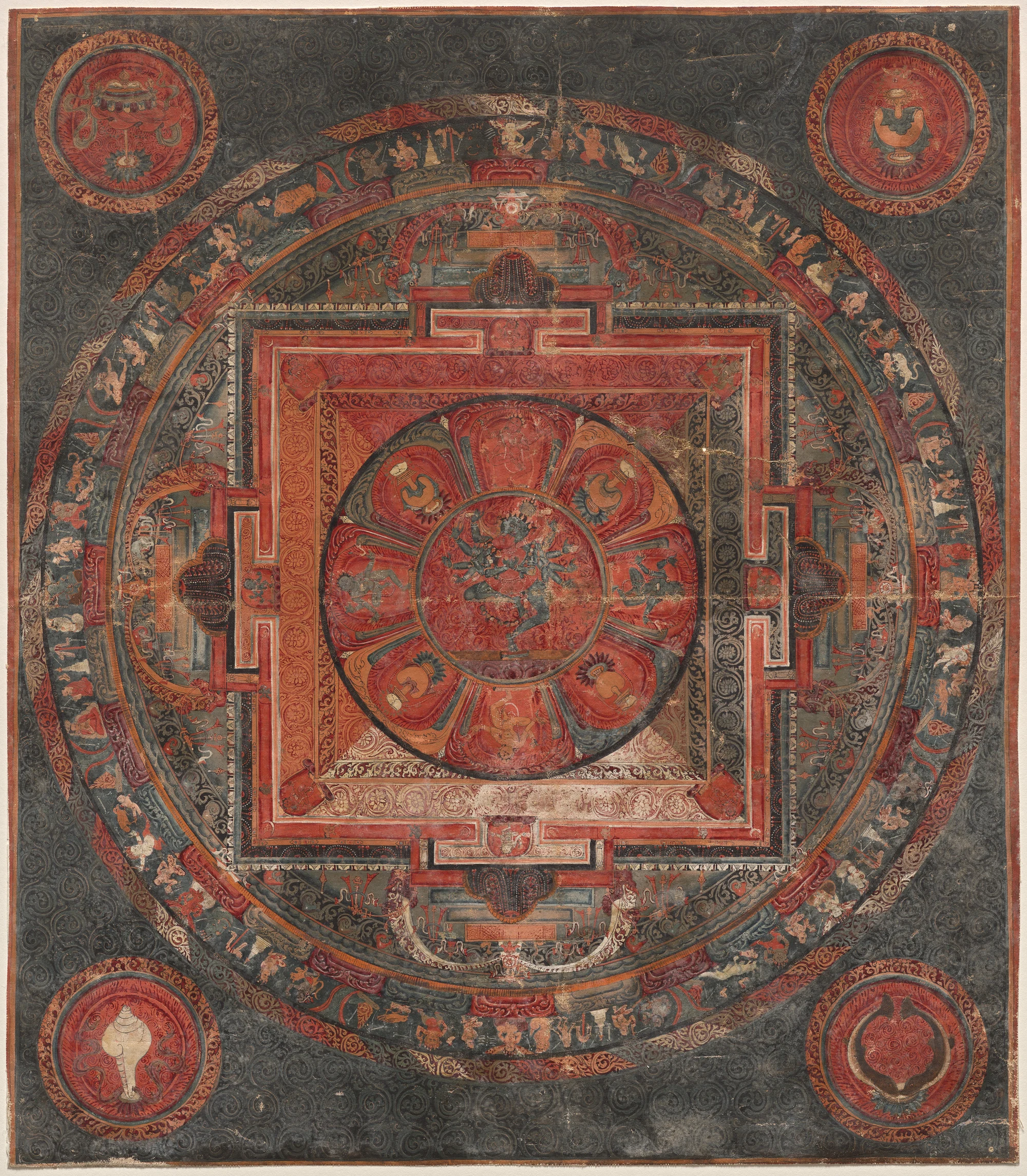
In compositional descriptions, the principal figure is often placed at the center, with attendants and decorative elements arranged around it in a balanced structure.
Tibetan Measurement and Painting Schools
Tibetan thangka painting is not a single style. Differences can emerge from region, monastery, school, and teacher-student lineage.
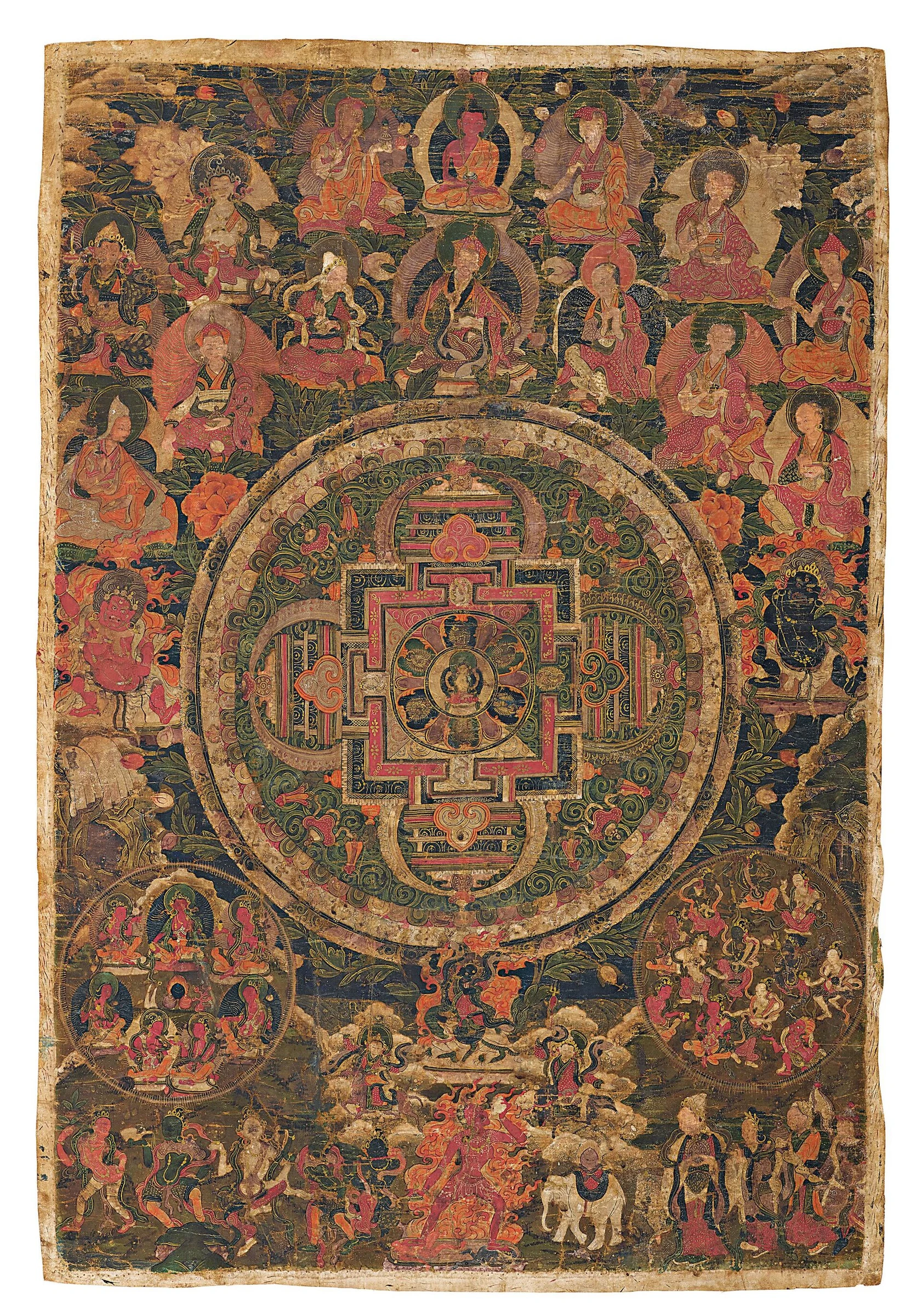
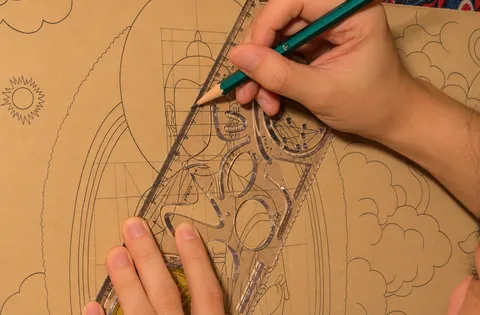
Traditional Tibetan thangka places strong emphasis on figure proportions and image-making rules. Measurement relationships help organize the body, posture, and structure of the composition.
Descriptions of the tradition also refer to established colors, linework, and mineral materials. Some works show restrained saturation, a mural-like surface, and a complex composition.
The number of artists involved, the length of training, and the way a workshop is organized can all affect a painting’s appearance and completion time.
Rebgong Geography and Lineage
Rebgong mainly refers to the Rebgong area of Huangnan in Qinghai, a major setting for Rebgong thangka painting and transmission.
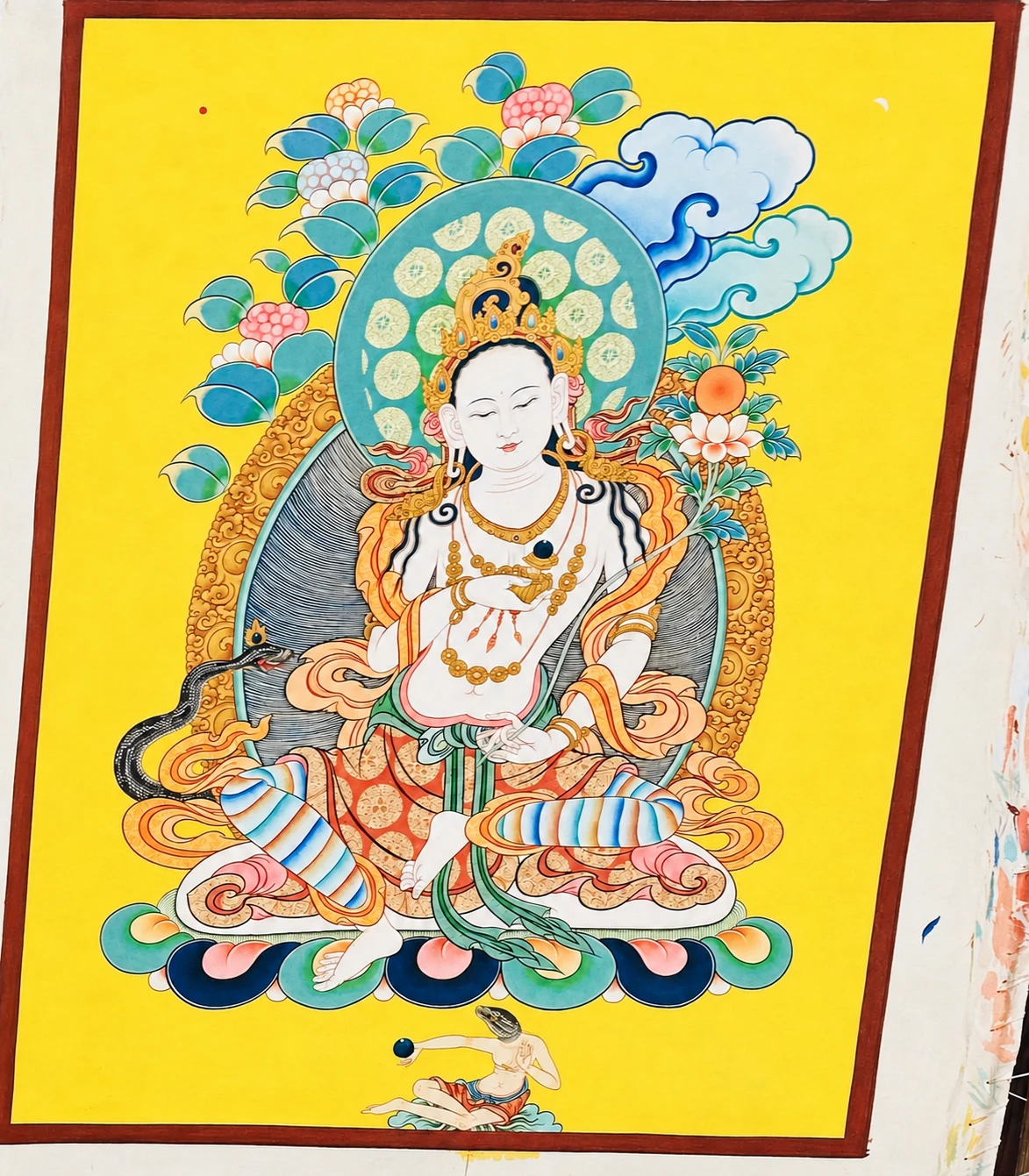
Monasteries, artist families, art villages, and established studios form a continuing working environment for the tradition.
Accounts of Rebgong connect its transmission with a long history and with training in monasteries and related crafts. Training may begin with measurement before moving into coloring, detail work, linework, and shading. Some painters begin learning in childhood and spend many years before completing works independently.
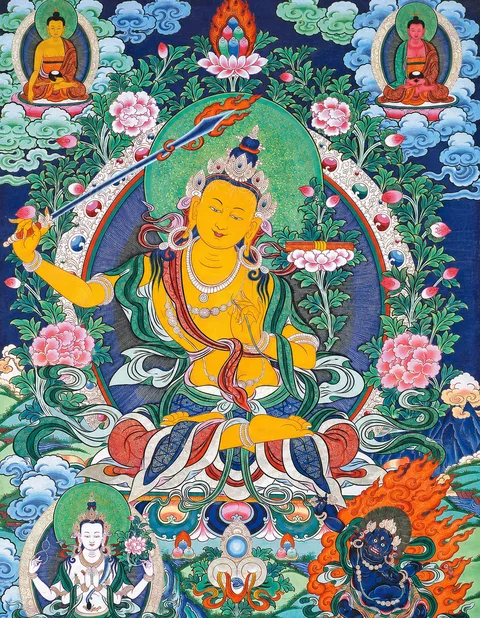
Rebgong works are often described through brighter colors, extensive gilding, and fine linework. Within the measured structure of the figure, artists also adjust the background and color arrangement.
“Rebgong” therefore identifies a place, a training system, and a working network that continues to produce paintings.
How Regional Differences Appear in the Image
Descriptions of Tibetan works often emphasize traditional measurement, mineral materials, restrained saturation, and a mural-like feeling. Rebgong works are often discussed through color, gilding, linework, and layers of detail.
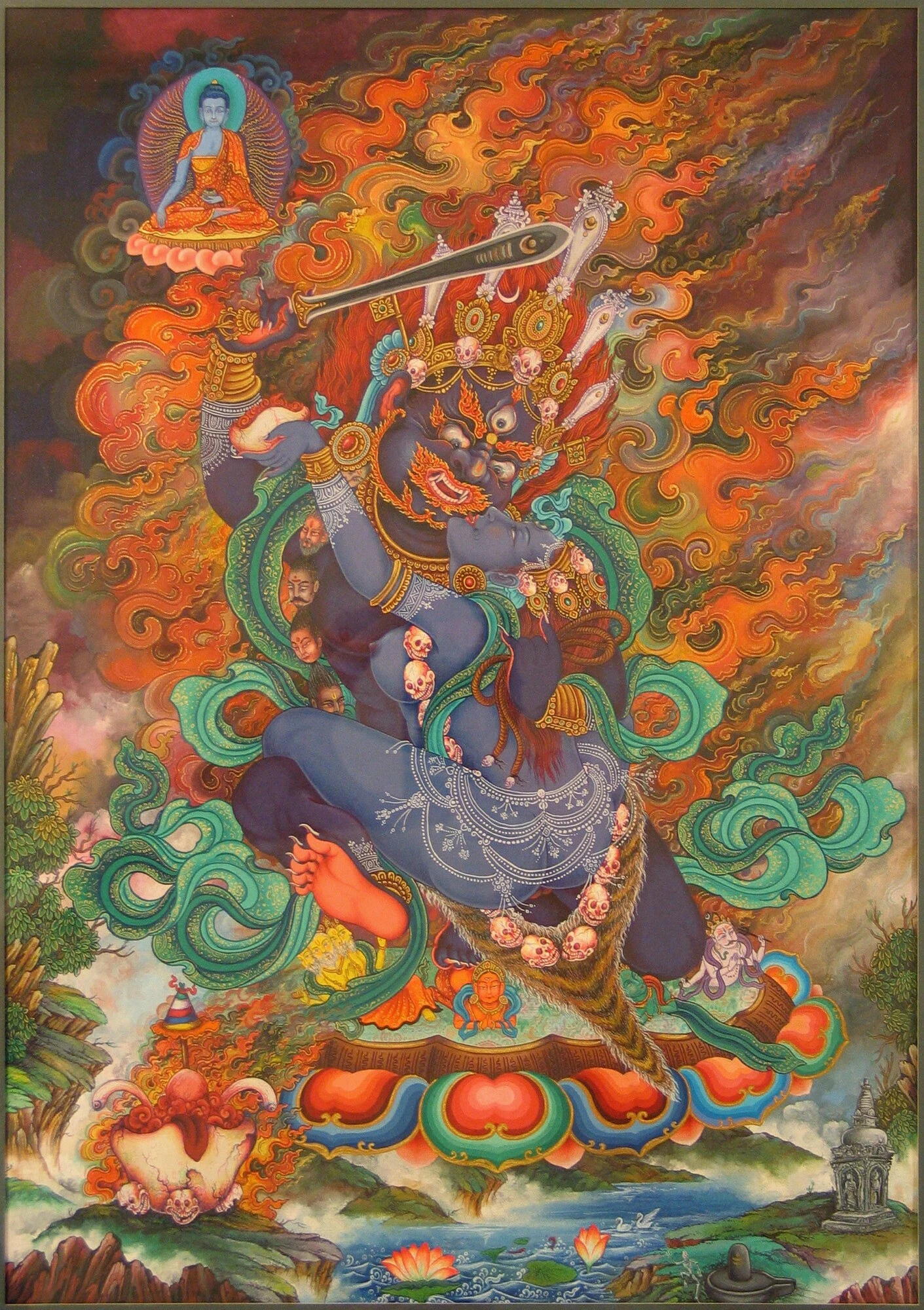
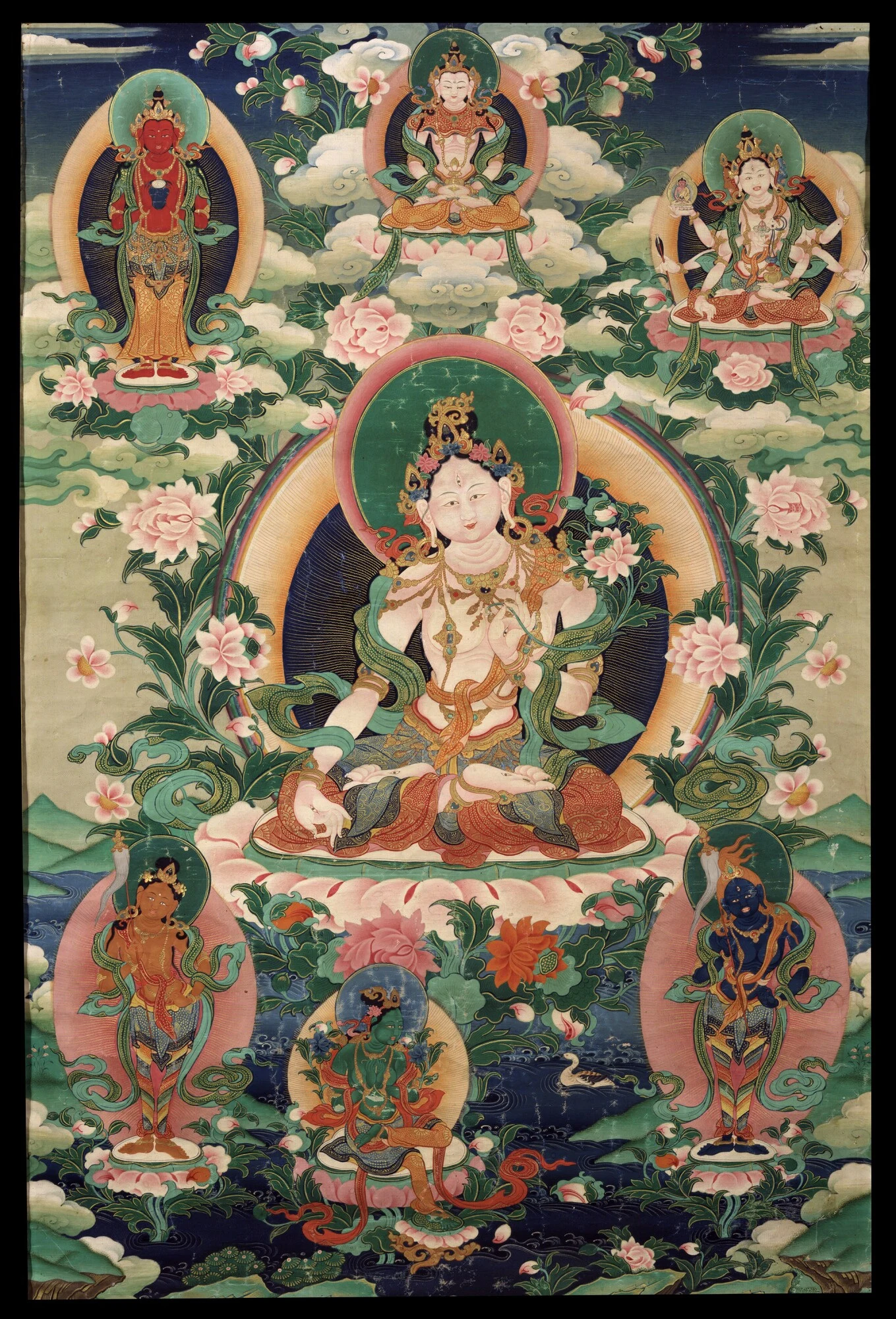
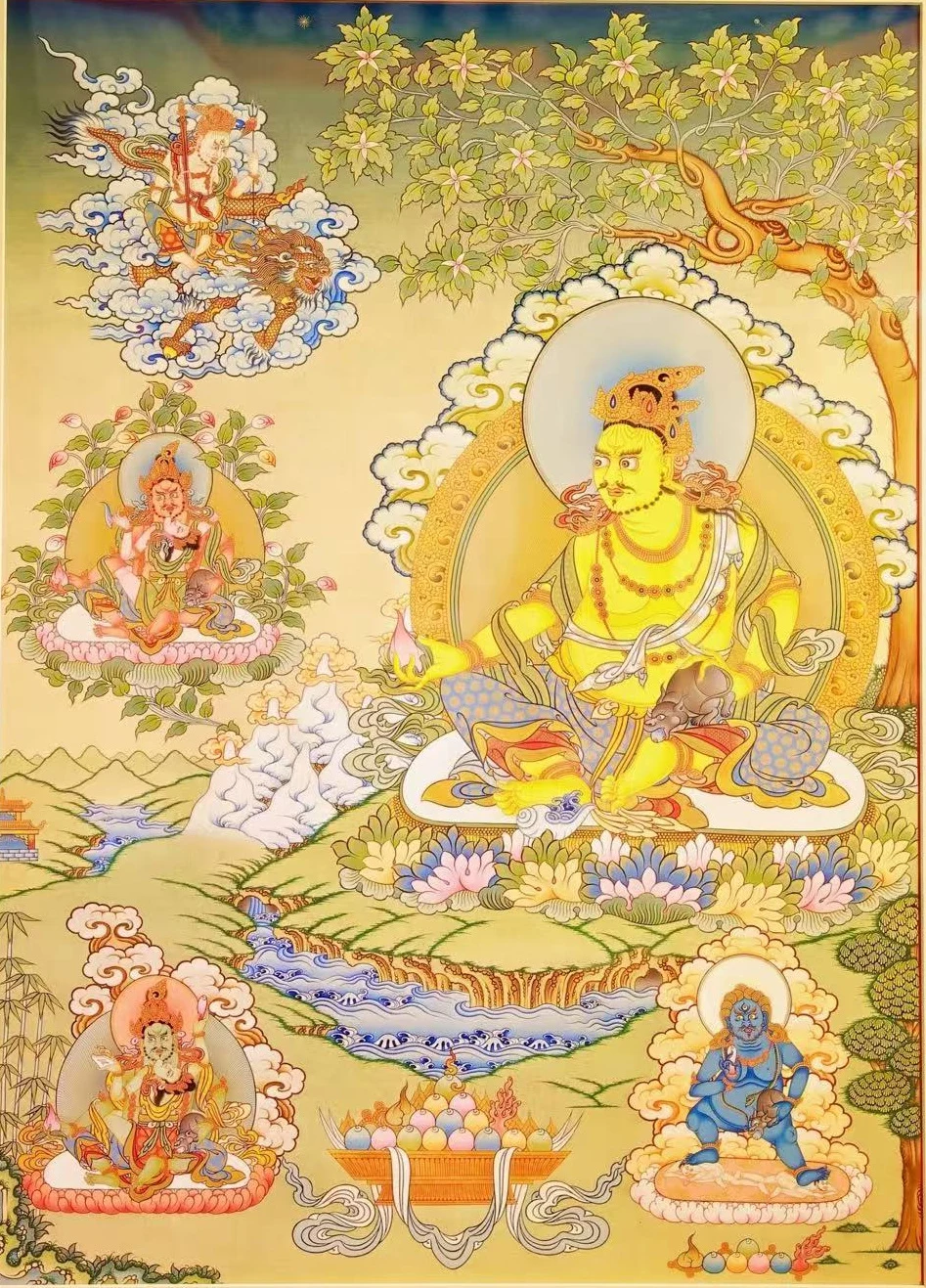
Descriptions of Nepalese works focus more on fine lines, rich color, gold, facial treatment, and balanced central composition.
When comparing works from different regions, look at the same group of visual features: figure proportions, line density, background structure, color layers, the amount of gold, decorative density, and the way the subject is arranged.
These visible features are connected with artist training, working methods, and the demands of the subject.
Reading a Specific Work
Region, school, and individual style can overlap. A painter develops a personal way of handling line, faces, gold, and color through training and lineage.
For a specific painting, record the region, lineage, and visible features together. This keeps the regional name in its proper role: a useful context for looking at the work, followed by the actual evidence on the painted surface.