Wearing and Personal Offering
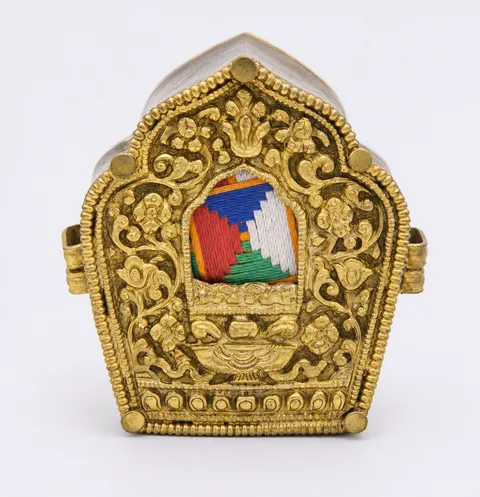
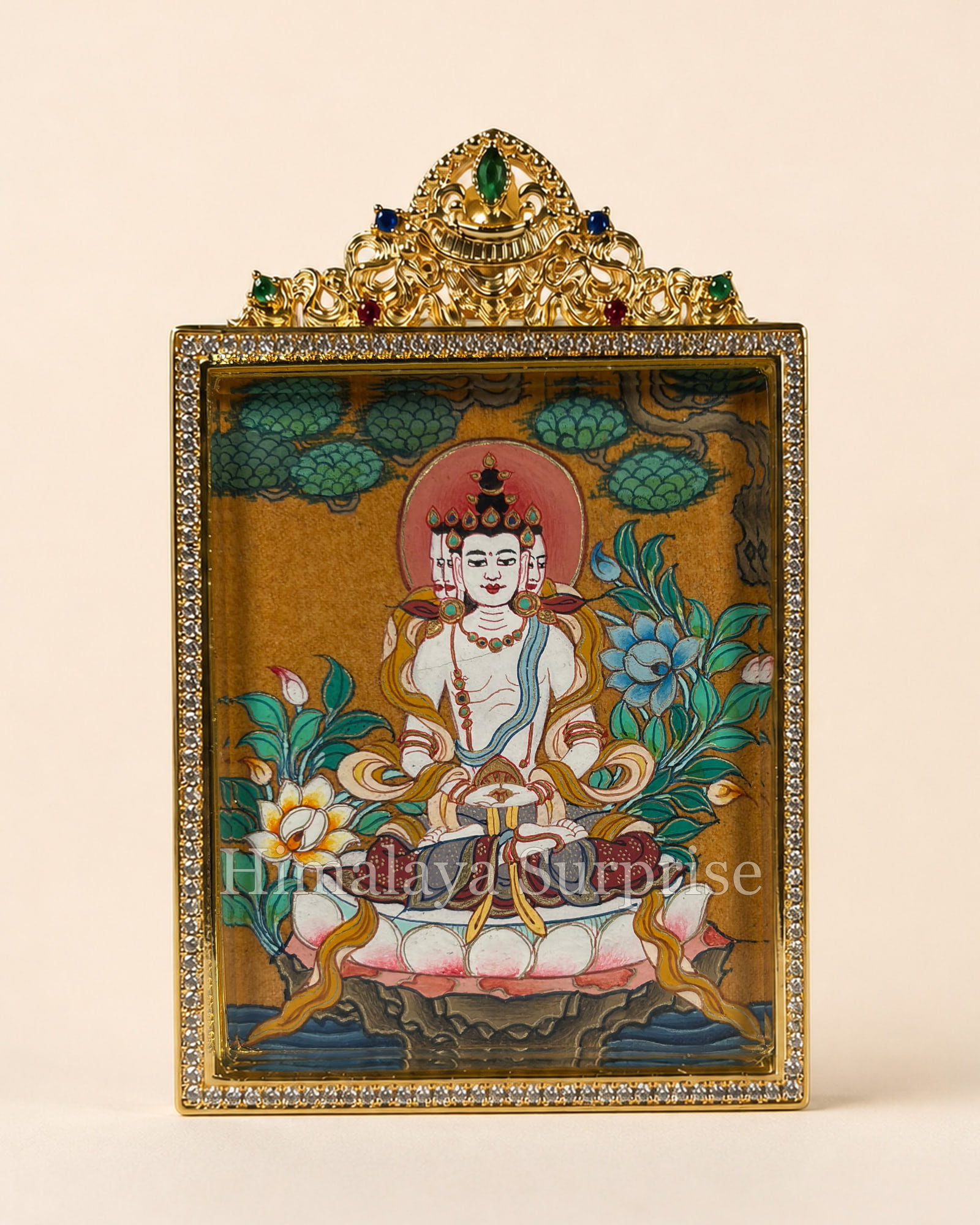
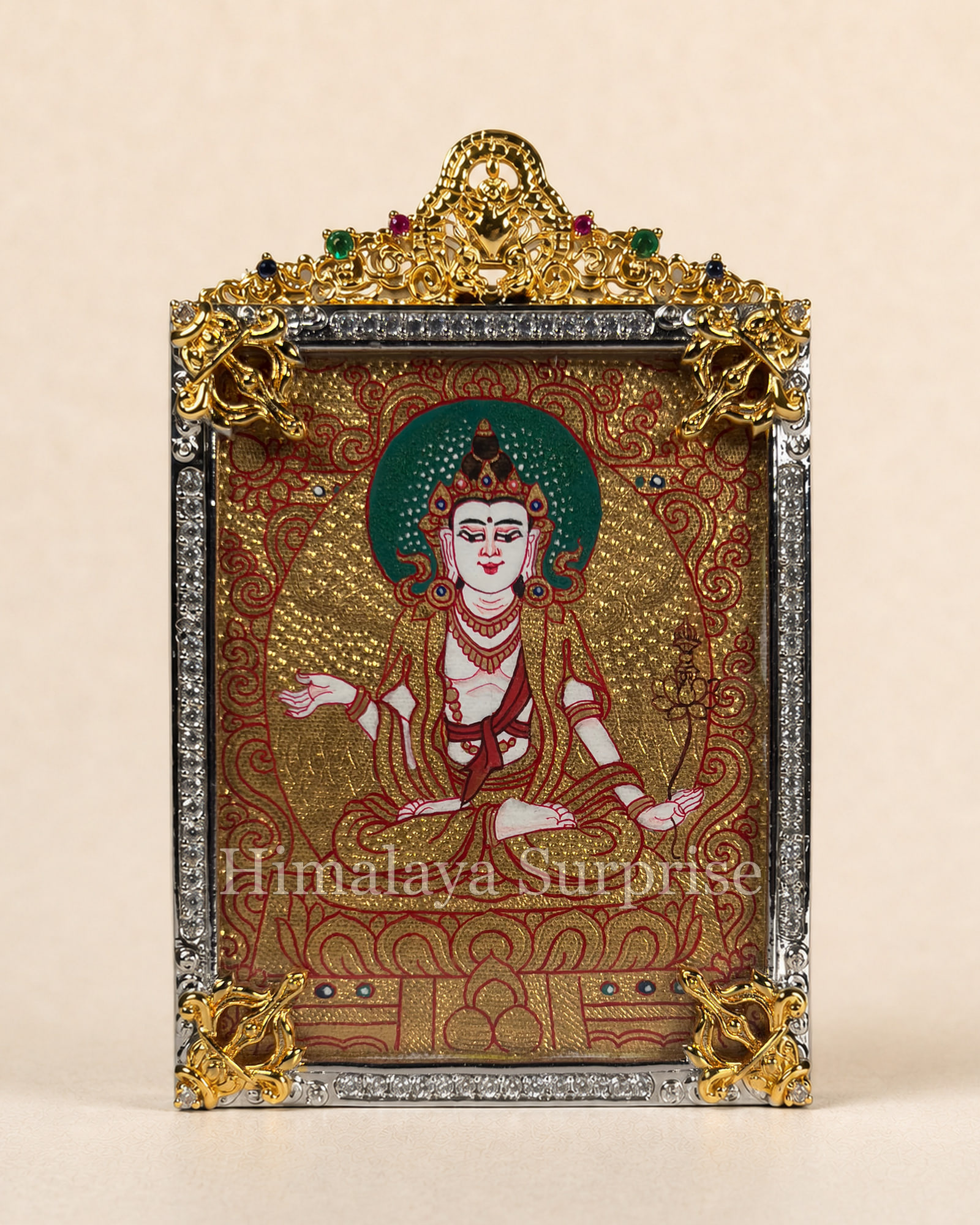
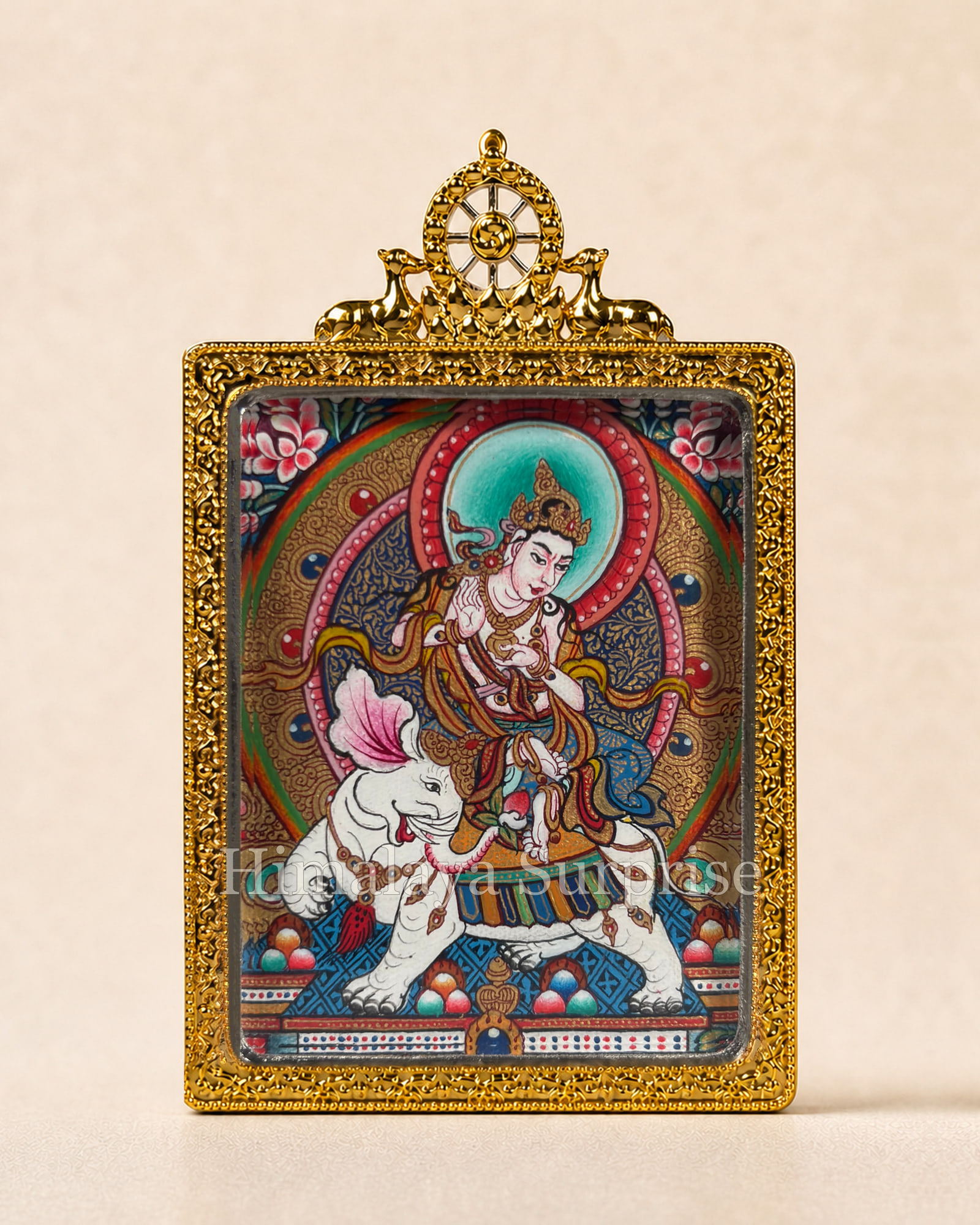
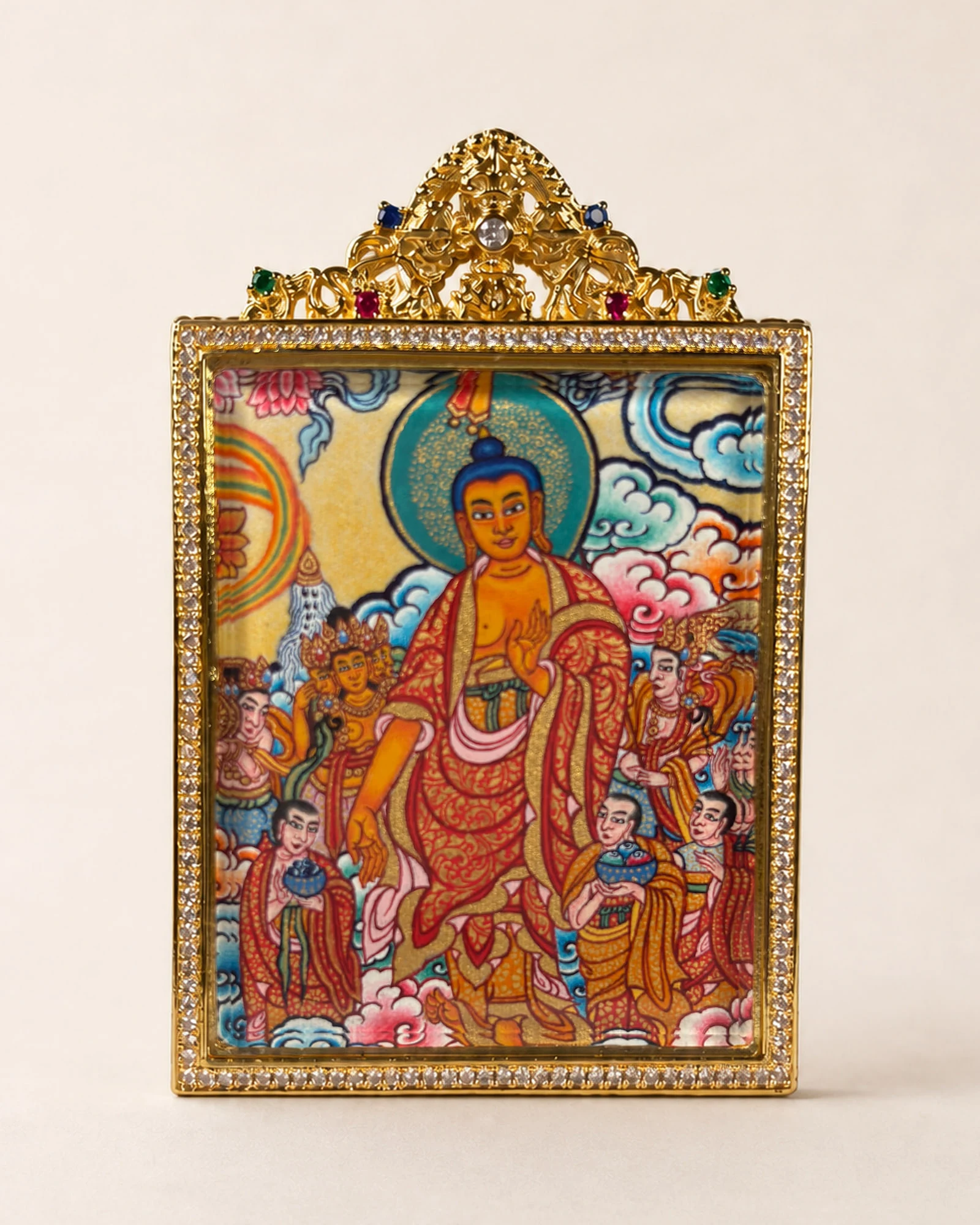
Gau means “box” in Tibetan. A gau box is more than an ordinary container: it places a Buddha image, miniature thangka, scripture, mantra, or another sacred object inside a space that can be carried, creating a small shrine close to the body. Gau cases commonly appear in silver, copper, and other metal forms. They may be square, round, or shaped with Buddha figures, auspicious motifs, and gemstone decoration.
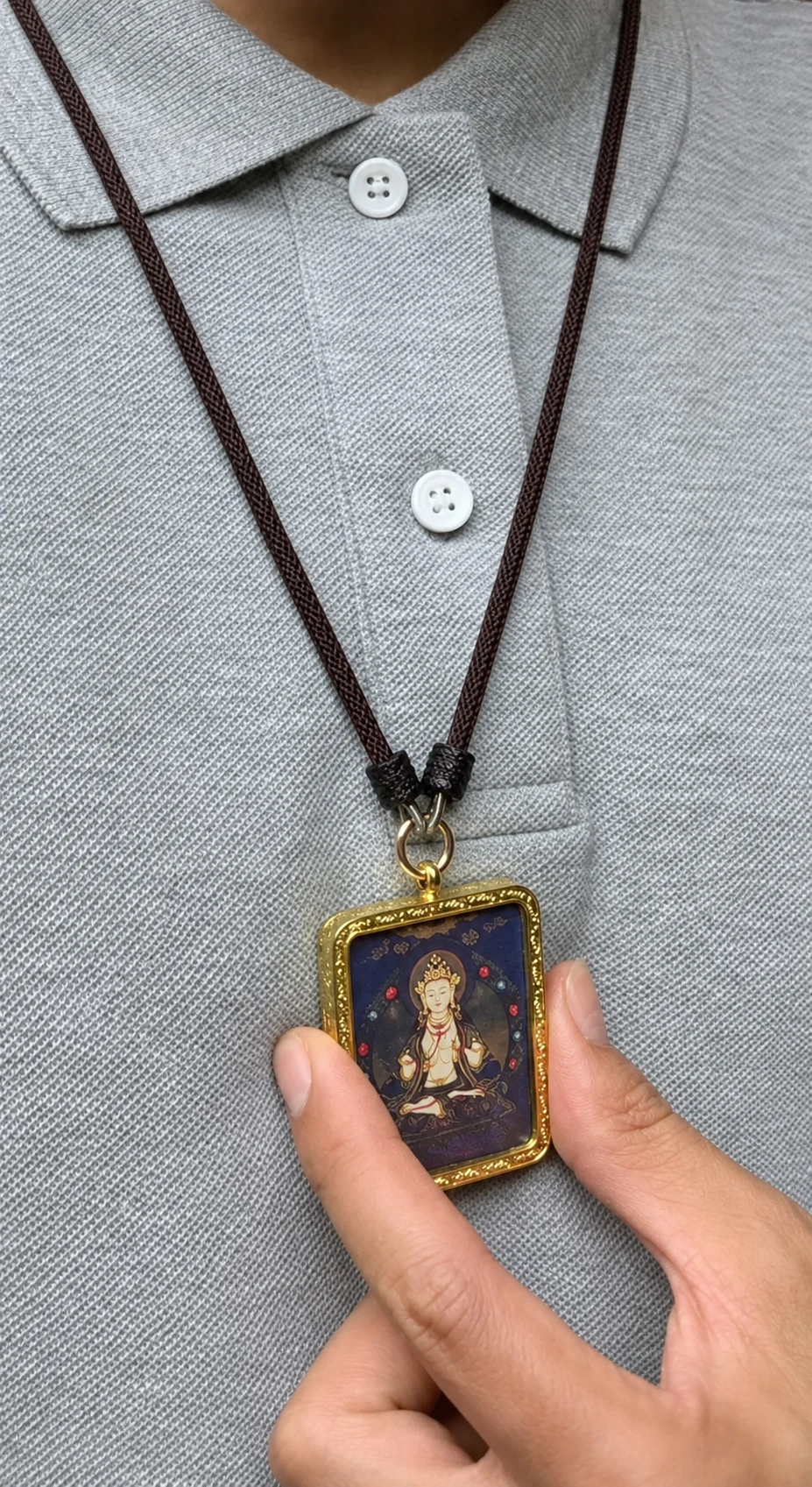
Some pieces place the miniature thangka together with scripture, mantras, or consecrated objects inside the case. The metal shell separates the painted image from dust, moisture, and impact, reducing the damage and wear that can occur during daily carrying. Enclosing the image before wearing it also establishes a respectful boundary around the sacred figure.
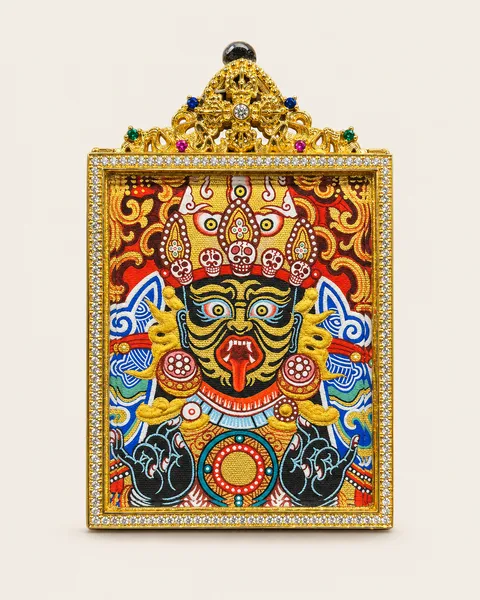
A miniature thangka therefore often combines the painted image, the case, and a cord into one portable form. It can hang at the chest, cross the waist, or remain under clothing. The case protects the painted image; the subject carries an intention of protection and blessing into travel, work, and ordinary life.
When someone is away from a fixed shrine, a gau box can also provide a space for personal offering. The image may be taken out for offering, placed back inside the case, and carried again. A miniature thangka can therefore function both as something worn and as a small shrine that moves with its owner.
Subjects and Prayers
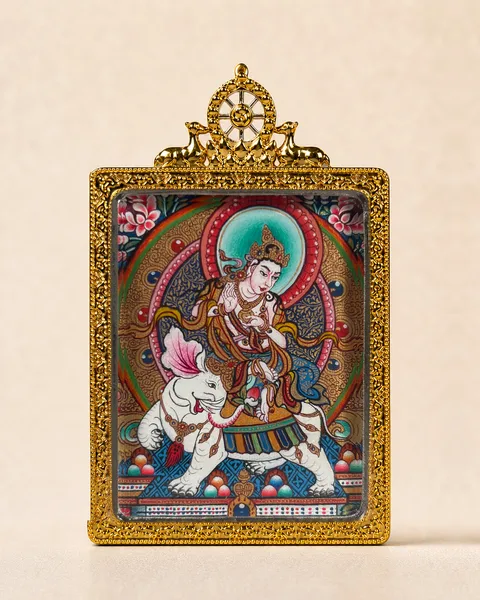
The subject of a miniature thangka determines the kinds of protection and blessing carried by the painted image. Manjushri is associated with discernment, learning, and focused thought. Green Tara and White Tara are often connected with life, hope, steadiness, compassion, health, and protection. Yellow Wealth Deity and the Five Wealth Deities are linked with work, wealth, accumulation, and prayers to overcome obstacles. Medicine Buddha is often used to keep attention on health and peace.
The Eight Auspicious Symbols can appear as a subject within a miniature thangka, bringing wishes for auspiciousness, completeness, and happiness into a small painted space. Manjushri, Tara, the wealth deities, Medicine Buddha, and the Eight Auspicious Symbols each bring a different form of protection, blessing, and prayer into the image: a wish for wealth, stability, peace of mind, or continuing grace.
When choosing a miniature thangka, begin with the wish you want the subject to carry and then compare it with the subject’s cultural meaning. The subject is central to the protection, blessing, and prayer held by the painted image. The case and carrying method should also suit that subject and the setting in which the miniature thangka will be used.
Daily Viewing and a Reminder of Intention
A thangka is first an entry point for looking. Its colours, sacred figure, gestures, and story can bring attention back to a quieter and steadier space. In a crowded daily life, it can remind a person to keep a place in the mind to which one can return. For a miniature thangka, the meaning of the subject comes from its story and symbolism, and from the way the viewer brings those meanings into daily life.
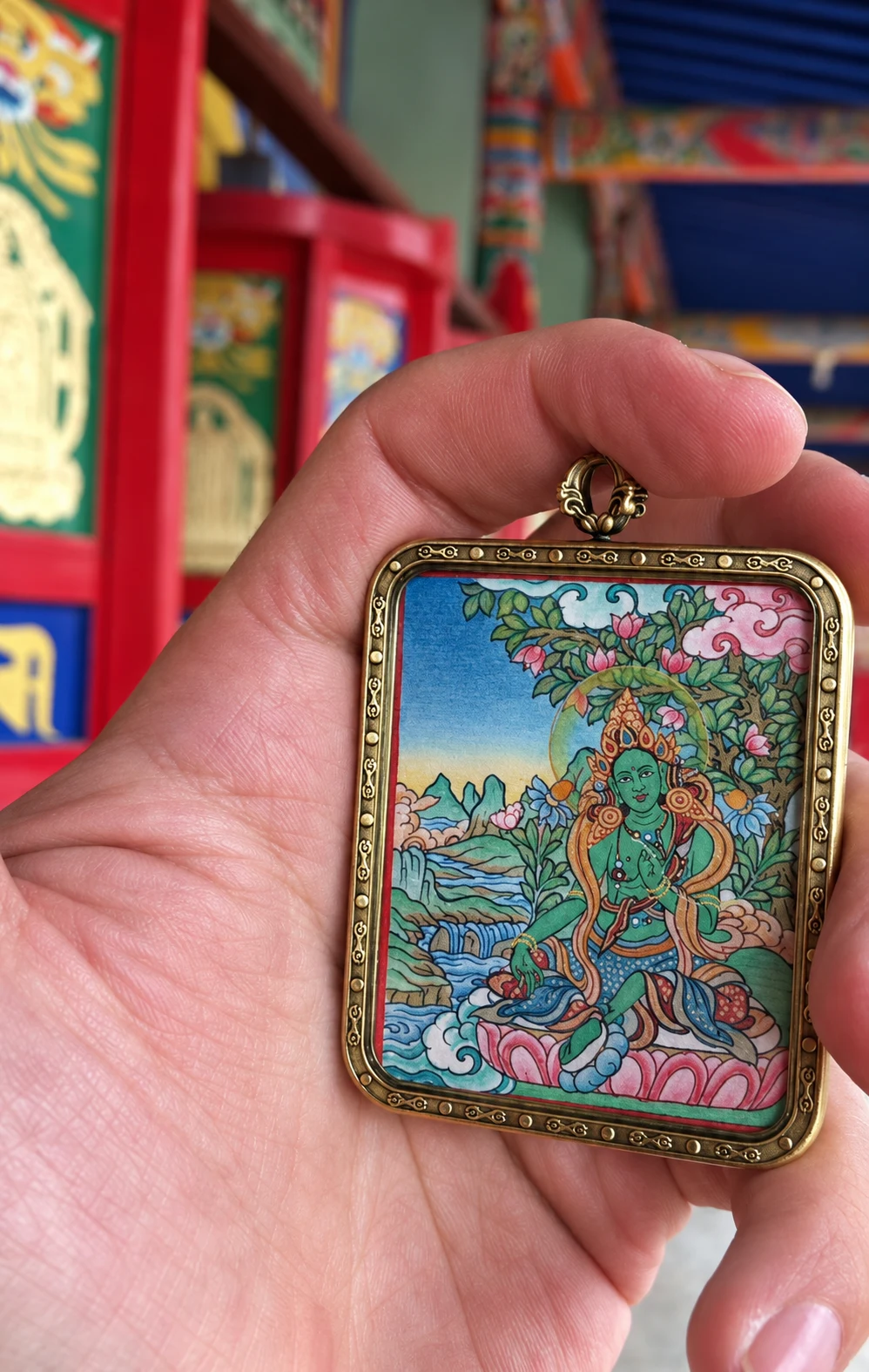
A miniature thangka places this act of looking within a closer scale of life. It does not need to occupy an entire wall; it can be seen at the chest, beside a desk, at a workplace, or while travelling. As the wearer walks, works, and travels, the image can return to view and remind the person to hold a steady intention and remain aware of how they relate to other people, daily life, and their own actions.
A miniature thangka is an art of the square inch. The image may be small, but its subject can still encourage kindness and self-reflection. Wearing it is more than carrying an ornament: a familiar image can appear when it is needed, bringing a sense of protection, blessing, and strength to continue forward.
Collecting, Gifting, and Cultural Appreciation
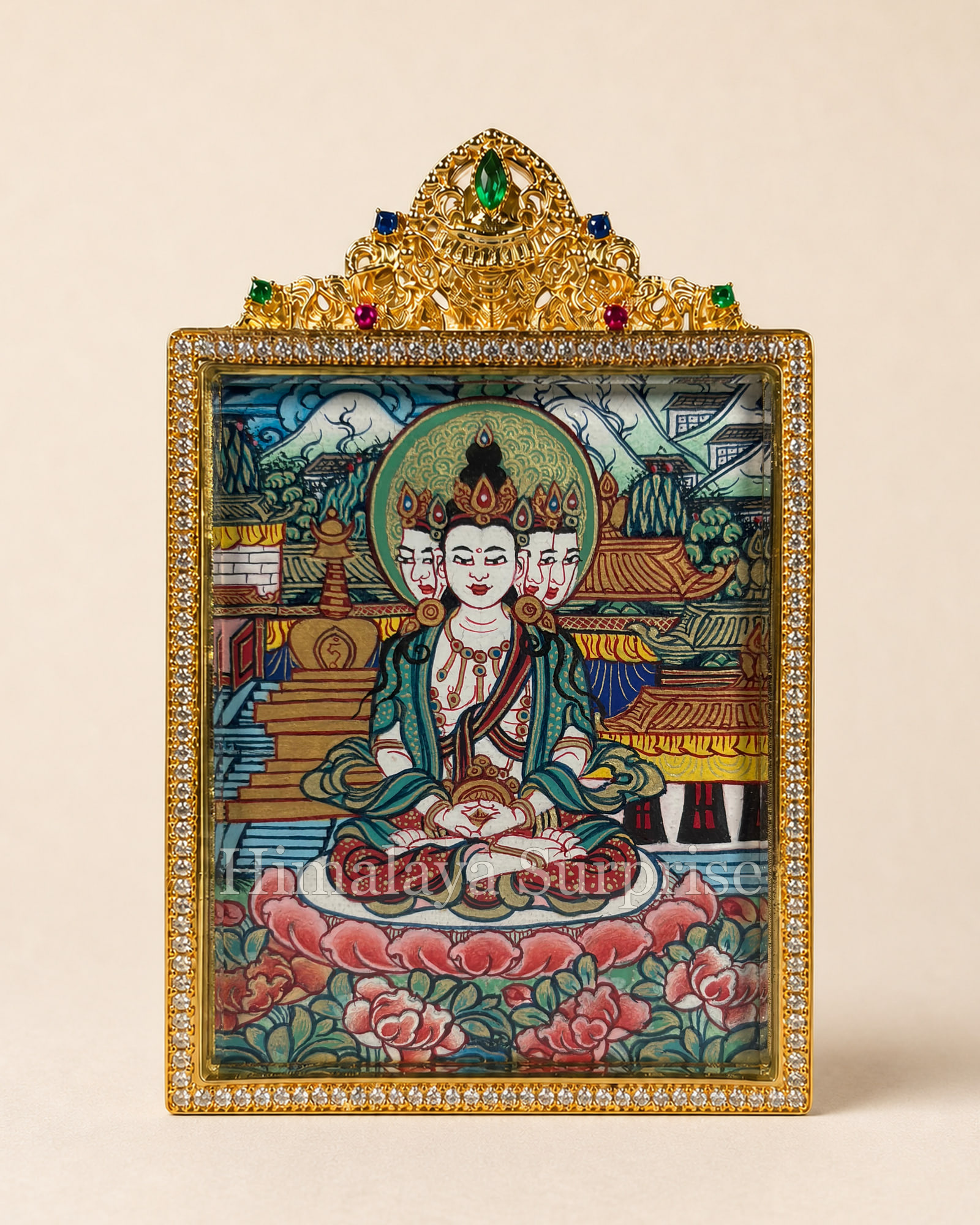
A miniature thangka can also be collected and appreciated as a hand-crafted work. Small scale does not make the content simple. Within only a few centimetres, the principal figure, gestures, ritual objects, face, and colours must remain clear, while the painter controls line, proportion, pigments, and fine detail in a limited space.
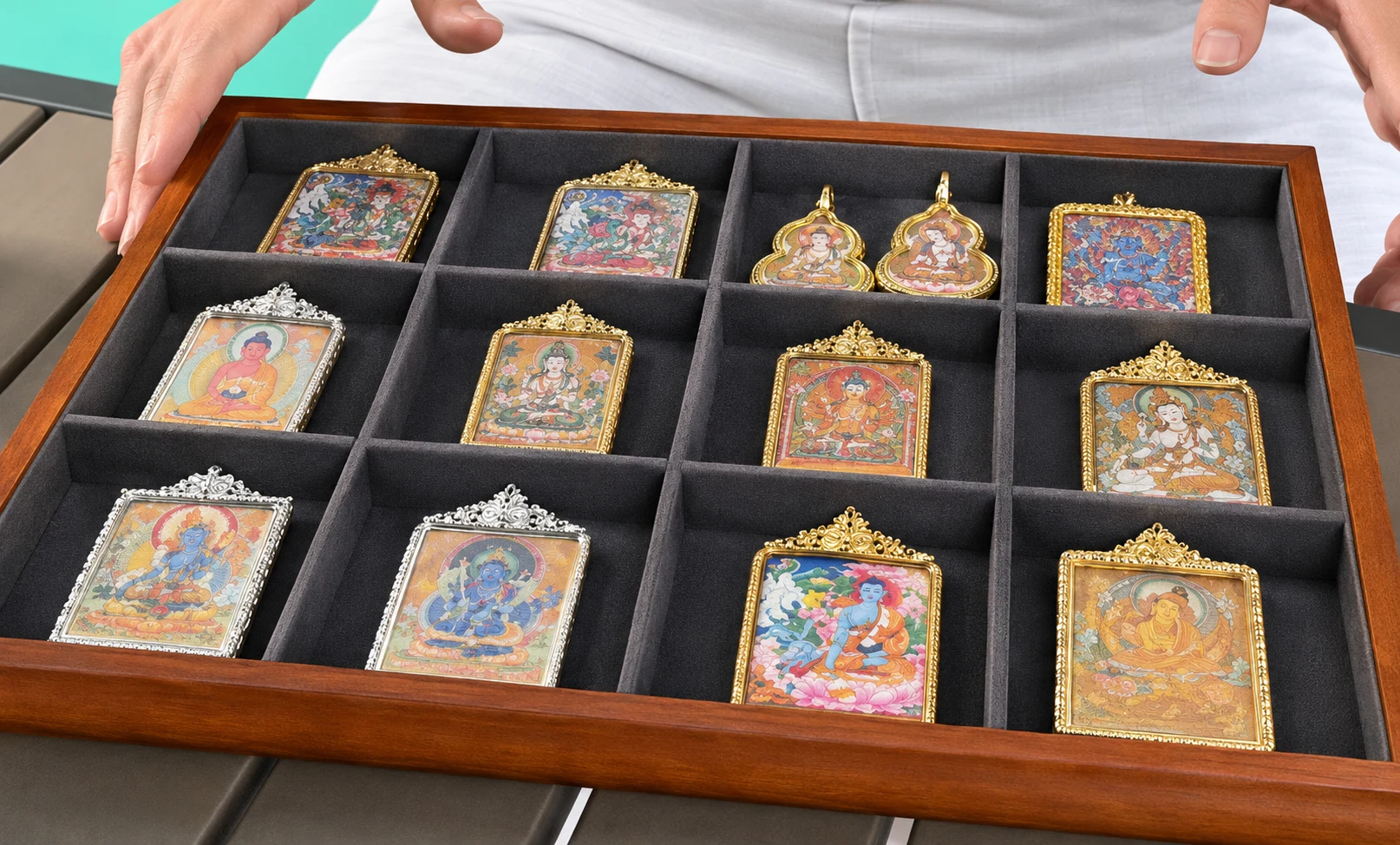
Some pieces bring painting, carving, calligraphy, seals, metal, and wood into one object. In a space of a few centimetres or a little over thirty millimetres, the painted image and outer structure must remain proportionate. The opening, cord, border, and decoration of the case must work with the contents inside. What is collected is not an isolated image, but a work formed by the painted image, the case, and the making process together.
A miniature thangka can also be given as a gift. Thangka gifting has long existed between monasteries and among devotees; before it is given, a sincere blessing matters more than complicated qualifications. A thangka is first an artwork. When the recipient genuinely likes the piece, the gift has a natural connection.
Some gau boxes also have a decorative role and may be worn as part of clothing at an event or wedding. Decoration can exist alongside offering, wearing, and collecting; the relationship depends on the workmanship, style, subject, and actual setting of the case.
A miniature thangka can be a painting carried close to the body, a space for personal offering, an entry point for daily viewing, a hand-crafted work worth collecting, or a gift carrying a blessing. Its use depends on whether the subject, painted image, gau box, and setting belong together. First decide how you want the piece to enter your life, then consider how the work can carry that intention.