In this article
Spatial Relationships in a Small Painted Field
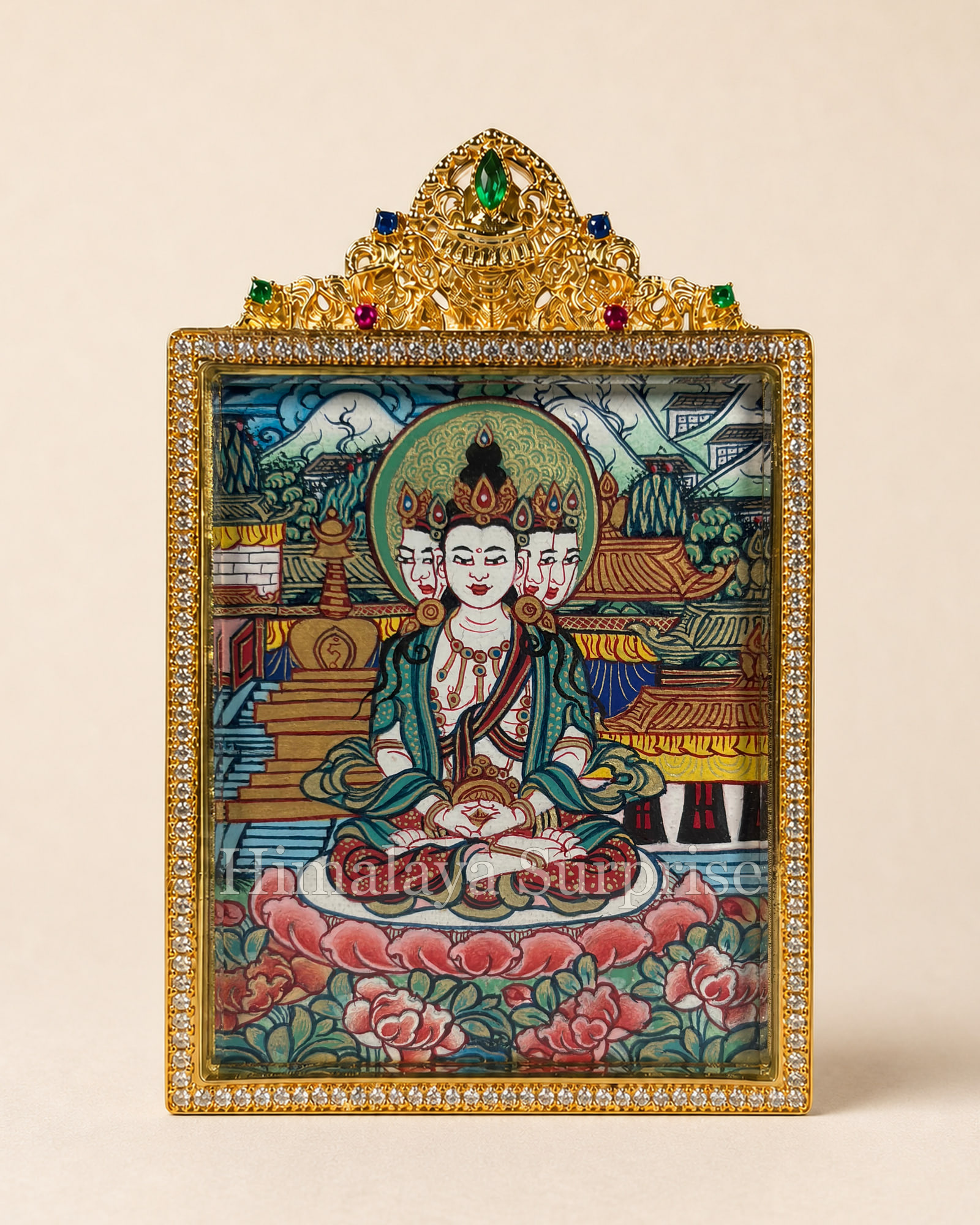
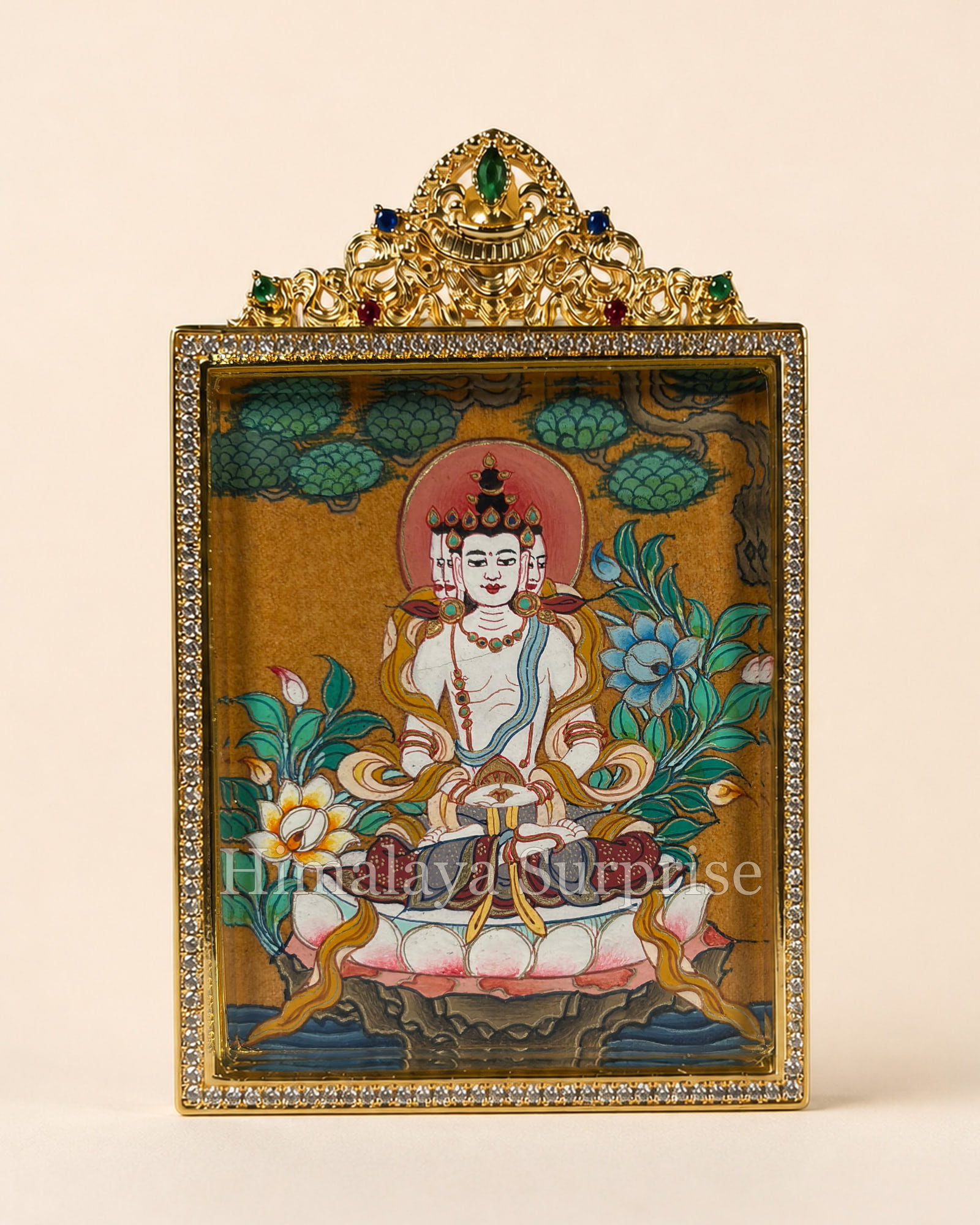
The smaller the painted field, the greater the demand on spatial distribution and overall proportion. The principal figure, gestures, attributes, clothing, background, and borders must establish their relationships within the same area. If one part expands, it uses space needed by another. A small work therefore has to coordinate its subject, supporting figures, setting, and decorative elements within a tightly controlled composition.
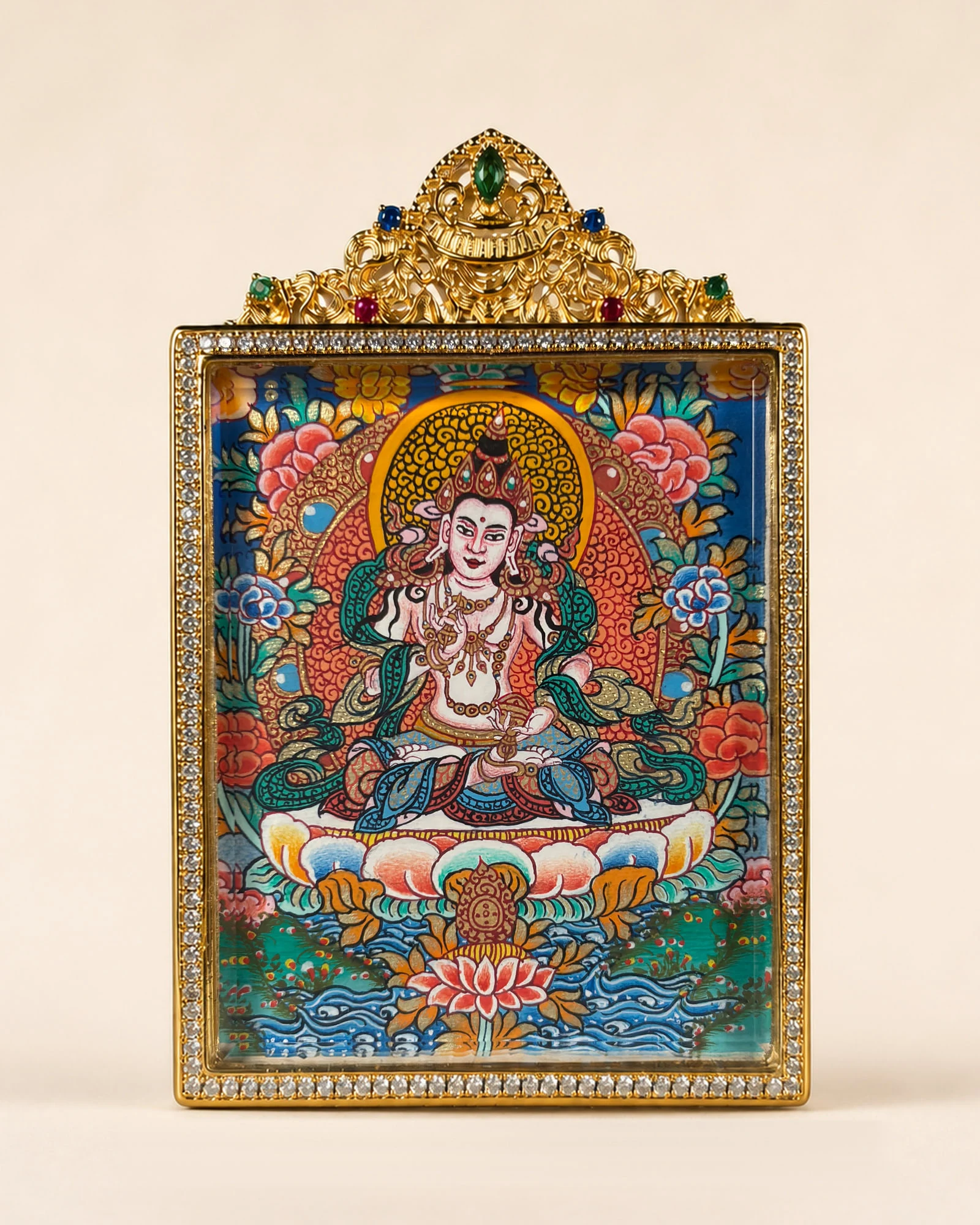
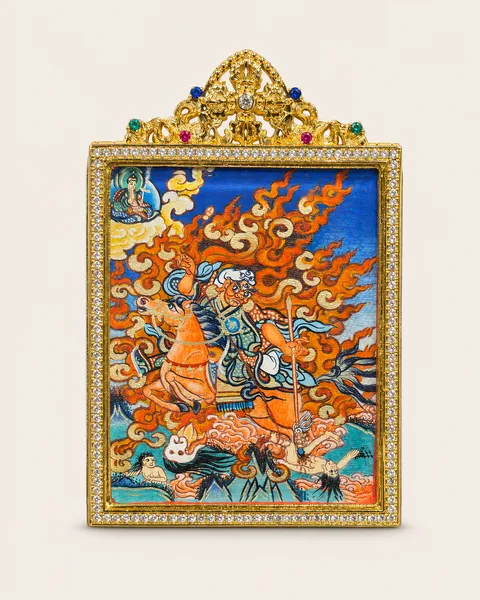
In a painted field measuring 4 × 5 cm, the area is only about 20 square centimetres. Even at this scale, a complete figure and a complex subject can be accommodated, but the relationships between the head, arms, attributes, and body have to remain stable together. The smaller the picture, the more carefully the composition has to keep the local details and the whole image in balance.
Proportion and the Measuring Grid
Precision begins with proportion. Before painting, the canvas is organized with a grid and measured scale. The figure’s facial features and body are placed according to a proportion system, while guide lines establish the height of the principal figure, the relationship between head and body, and the position of each part. When the proportion system is stable, later lines and colours have a clear place to follow.
The relationship between head and body is one of the first differences visible in a small image. A painter can mark the head and body with a few lines and then check whether the whole figure remains balanced. If the head grows too large, less space remains for the body, hands, and feet. A large amount of detail cannot compensate for a disturbed relationship between the forms.
The face has its own proportional structure as well. The width of the nose, the mouth, the eyes, and their position on the face need to be established while the drawing is being prepared. Repeated practice allows these relationships to be placed in very small strokes. Fine detail begins with scale and structure, and those relationships have to remain stable through the later stages.
Variation in Line Weight
Lines in a small painted field need to remain fluid while changing naturally in weight. A line may move from thicker to thinner and back again, with a controlled turn at each transition. This keeps the contours of a figure, strands of hair, folds of clothing, and the edges of attributes from collapsing into one mass.
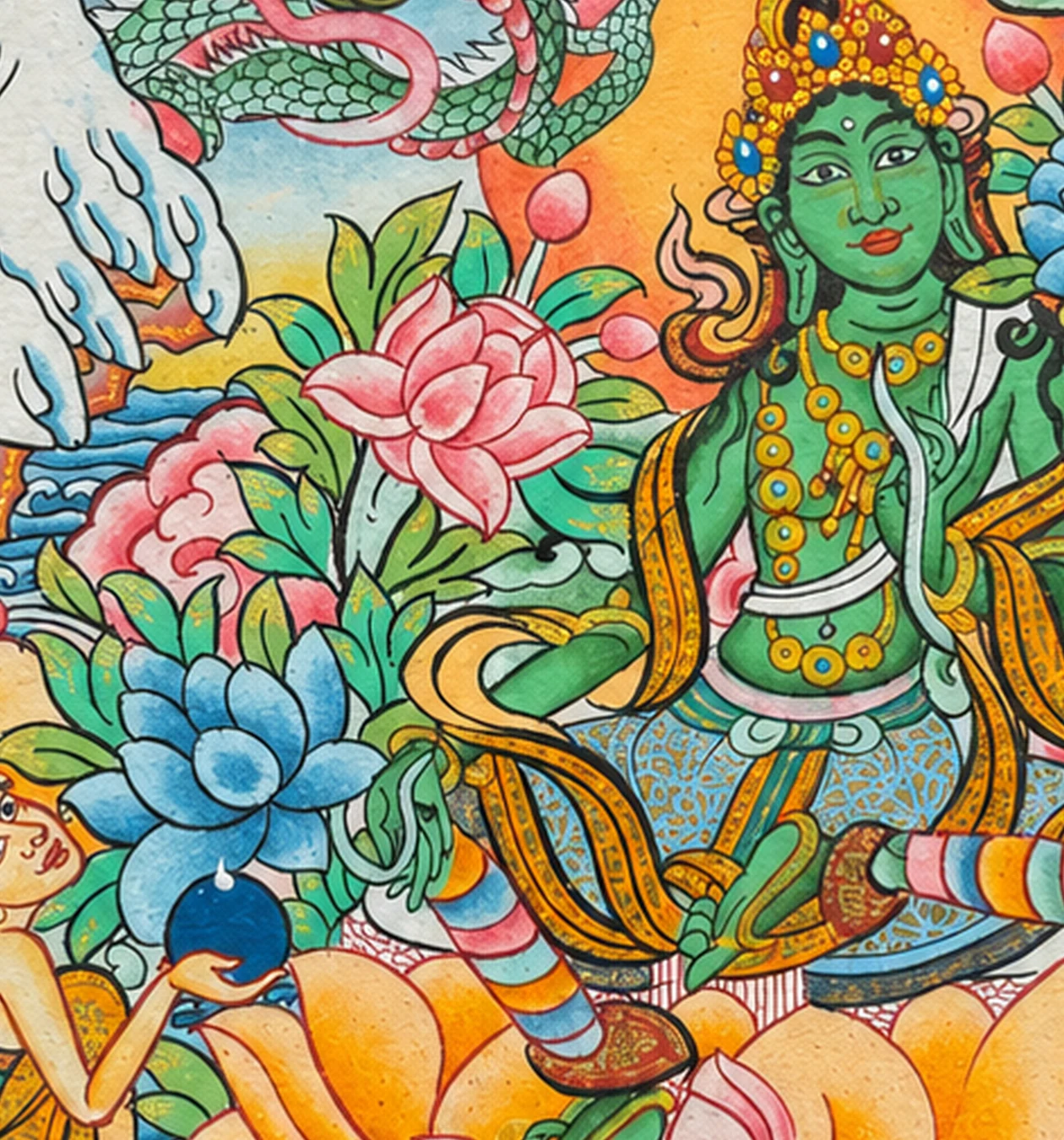
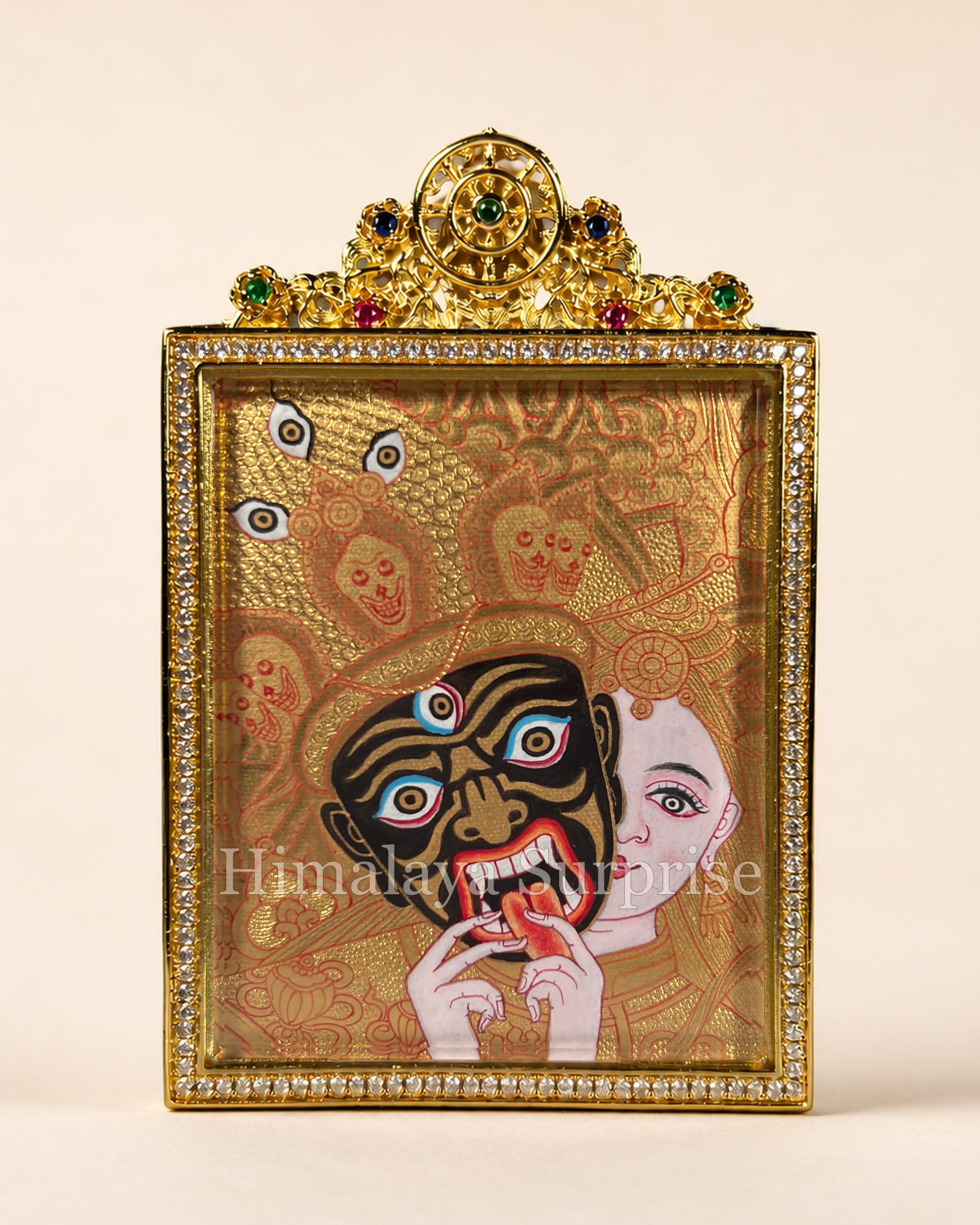
The detail of a line also depends on spacing and rhythm within a pattern. Fine lines need a clear direction, curves need control, and a continuous edge needs to stay even. Under magnification, stray fibres, shaking, breaks, or uneven pressure can make a small form difficult to distinguish. Small objects, vajra locks, blades, jewellery, hair, and bone ornaments all require a regular contour within a very limited area.
When the outline and the inner lines remain separate, a small image can keep its layers. The painter is not simply adding more marks; each line has to preserve the boundary and proportion of the form it describes.
Face, Gestures, and Attributes
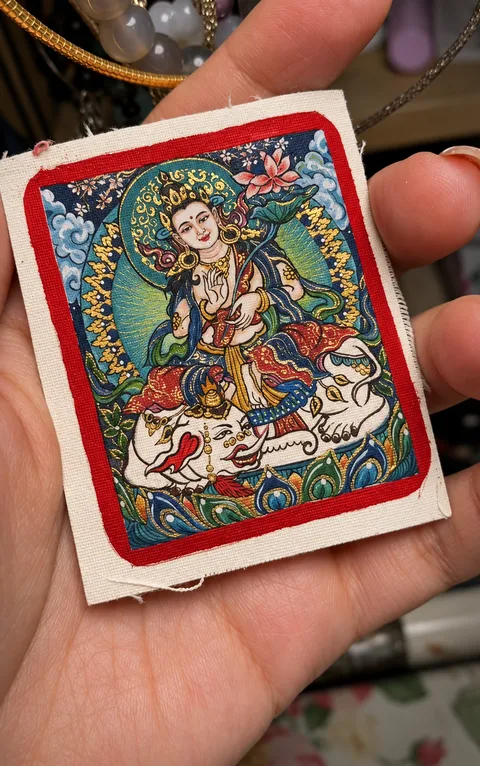
The face, hairstyle, gestures, and attributes are among the most concentrated areas of information in a miniature thangka. The face may occupy only a very small space, yet the eyes, brows, nose, mouth, and expression still need to remain clear. The outline of the hair and headdress must stay distinct from the face. Hands and feet, the objects they hold, and the edges of the clothing also need to remain legible within the same composition.
Each attribute in a complex subject has its own shape and position. When the image is enlarged, the contour, ornament, and connection of an object should be recognizable. The hand and the object it holds should not merge into one another, and the figure’s posture should remain stable. Detail is useful when it gives each small form a clear boundary and an appropriate proportion; the number of details by itself does not create precision.
Colour and Layers
The precision of colour begins with an even application. After the colour covers the surface smoothly, gradual transitions in tone can model light, shade, and volume. Figures, clothing, flames, and backgrounds then acquire depth. Lines establish the contour first, while changes from darker to lighter colour give the form thickness and movement.
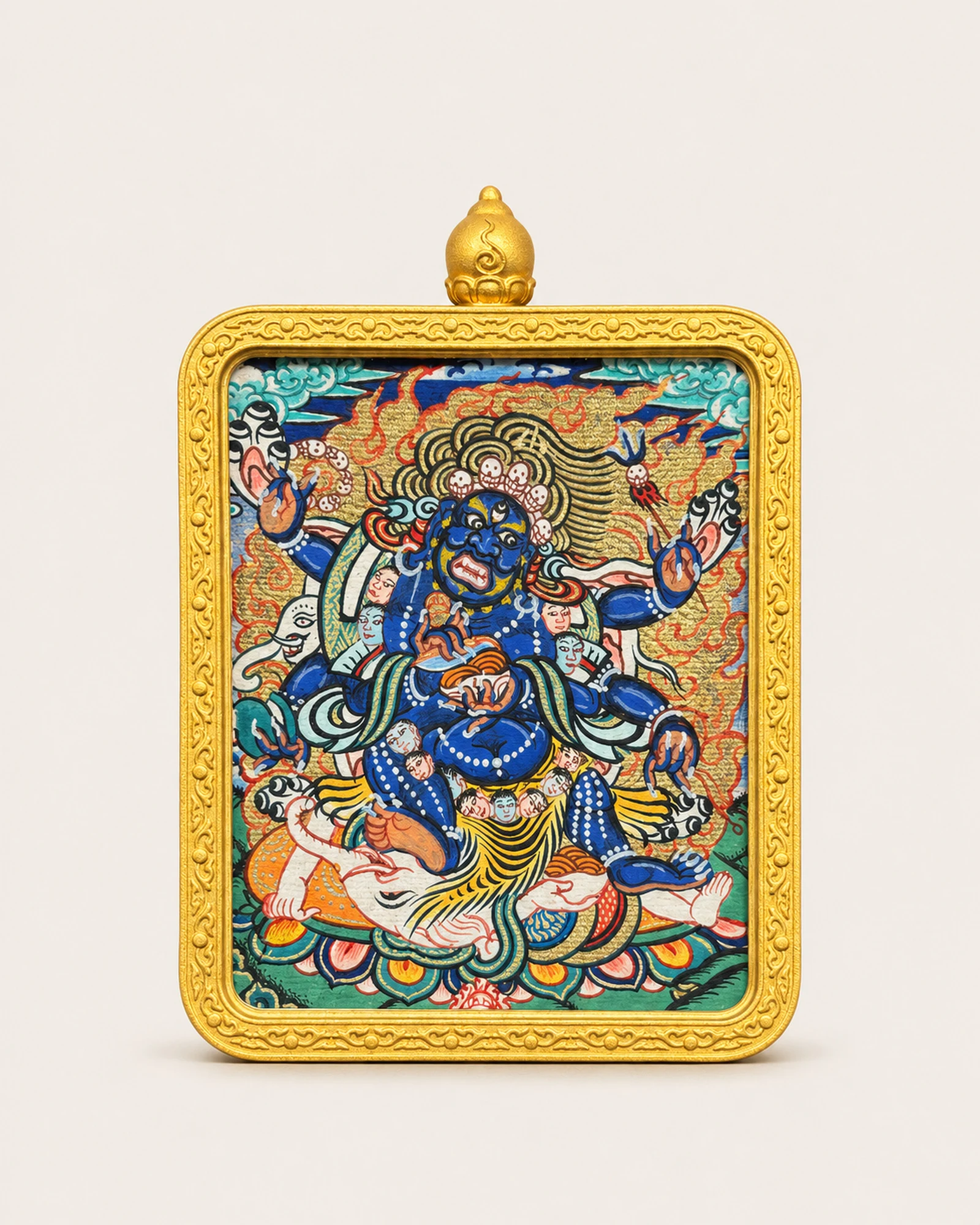
The boundaries between colours matter just as much. The colours of figures, attributes, and backgrounds need to remain distinct so that the line is not swallowed by the paint and a local transition does not become a flat mass. White, blue, red, gold, and other areas meet within the small field. They need variation, but each layer must retain its position.
Fitting a Complex Subject into a Small Field
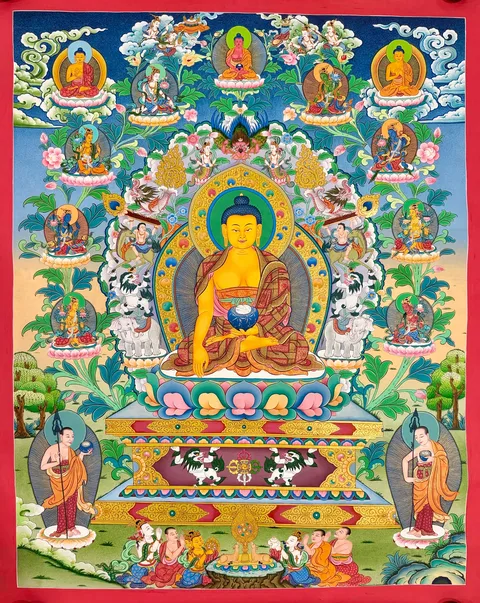
A small composition can contain several figures and many attributes. The difficulty lies in allowing each figure to keep its proportion, posture, objects, and visual layer within the available space. The principal figure, supporting figures, ornament, and background must also have a clear relationship between front and back.
When one part is enlarged, the space available to the other parts is reduced. Heads, objects, bodies, and borders still need to follow the same proportion system. A detailed miniature thangka compresses complex content into a small painted field while maintaining the overall composition and the relationships of the forms.
Underdrawing and Guide Lines
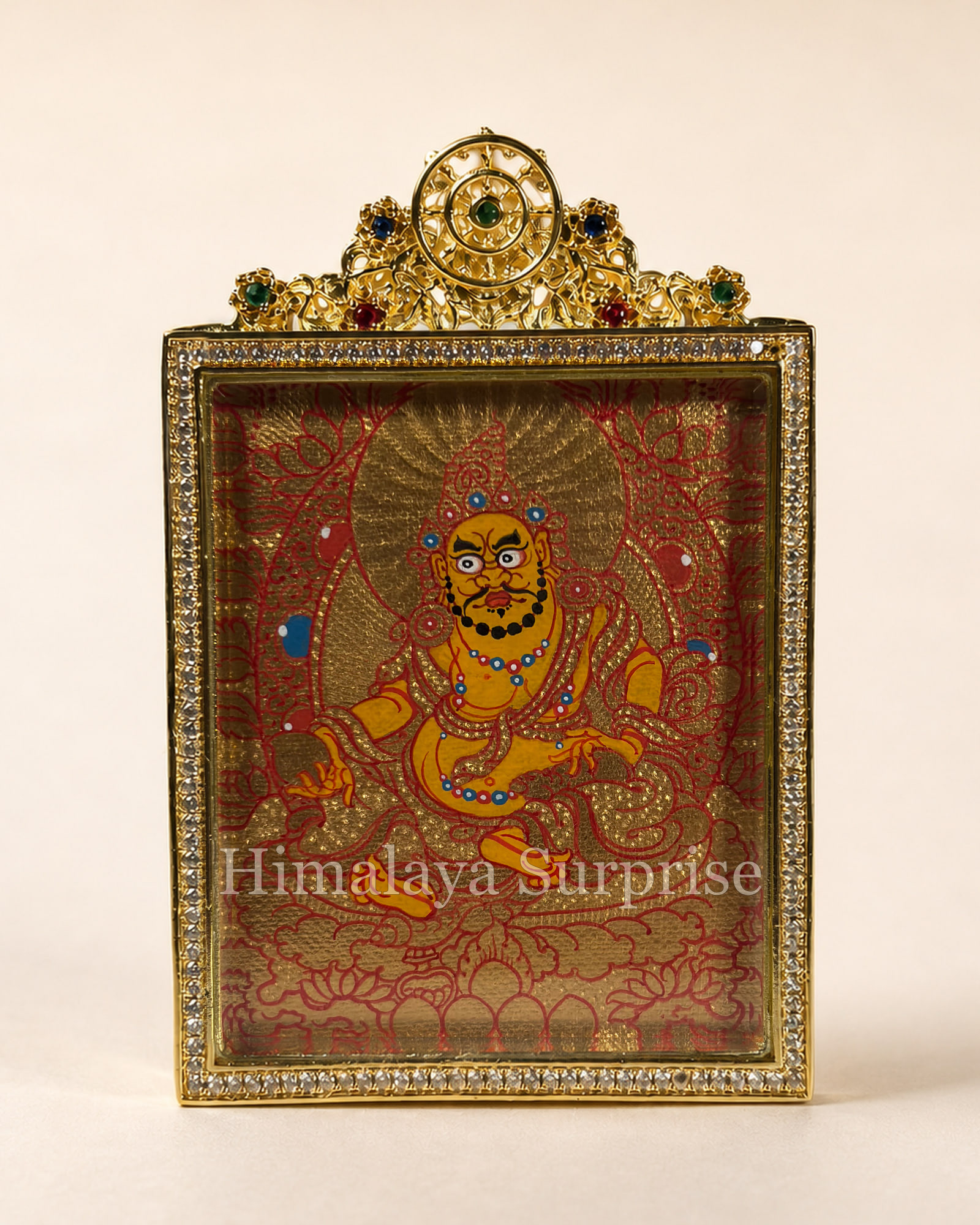
Detail begins with the underdrawing. The canvas is first prepared to a fine, even surface. A grid, measured scale, and guide lines then establish the positions of figures and attributes. An error in the drawing stage continues into the later layers of line and colour, so the initial structure matters to the finished image.
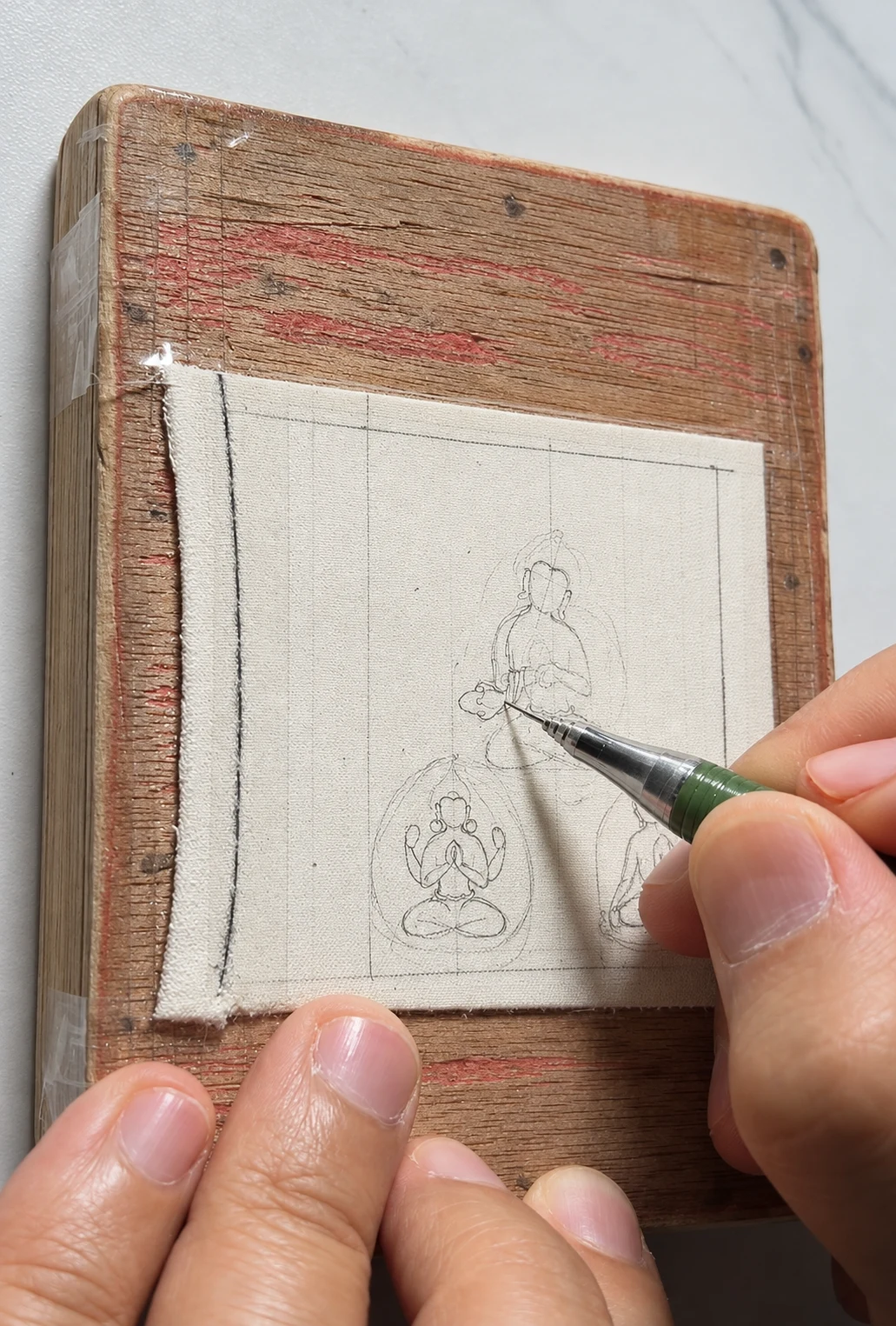
The number and style of guide lines may vary with a painter’s practice, lineage, and subject, but they serve the same purpose: keeping form, proportion, and position under control. A complex area can first be set out with a looser contour, then completed with more precise lines. Steps that may need adjustment leave room for correction, while the final lines require a steady hand.
Sustained Control and Training
A miniature thangka asks the painter to remain steady within a very small area. The eyes must distinguish extremely fine lines, the hand must control the direction and pressure of the brush, and the proportional relationships must become dependable through repeated practice. Facial features, gestures, attributes, hair, colour, and shading all rely on long-term training.
From the canvas and underdrawing through linework, colour, and finishing details, every stage affects the final surface. The precision of a small painted field is ultimately seen in complete form relationships, clear local boundaries, natural variation in line, and stable colour layers.
To assess the detail of a miniature thangka, move from the enlarged detail back to the whole image. Look at the composition and proportion, then at the lines, face, gestures, attributes, colour, and layers together. Precision is present when a very small painted field can preserve complete relationships and every detail remains clearly connected to the work as a whole.