In this article
Proportions and Composition
Iconometric proportions are a foundation for assessing thangka painting. The head should be balanced and symmetrical, with a coherent relationship between the width and length of the face. The position and scale of the eyes, brows, nose, and mouth should be consistent. The body and limbs change with the figure’s pose, while their structure and proportions should remain complete.
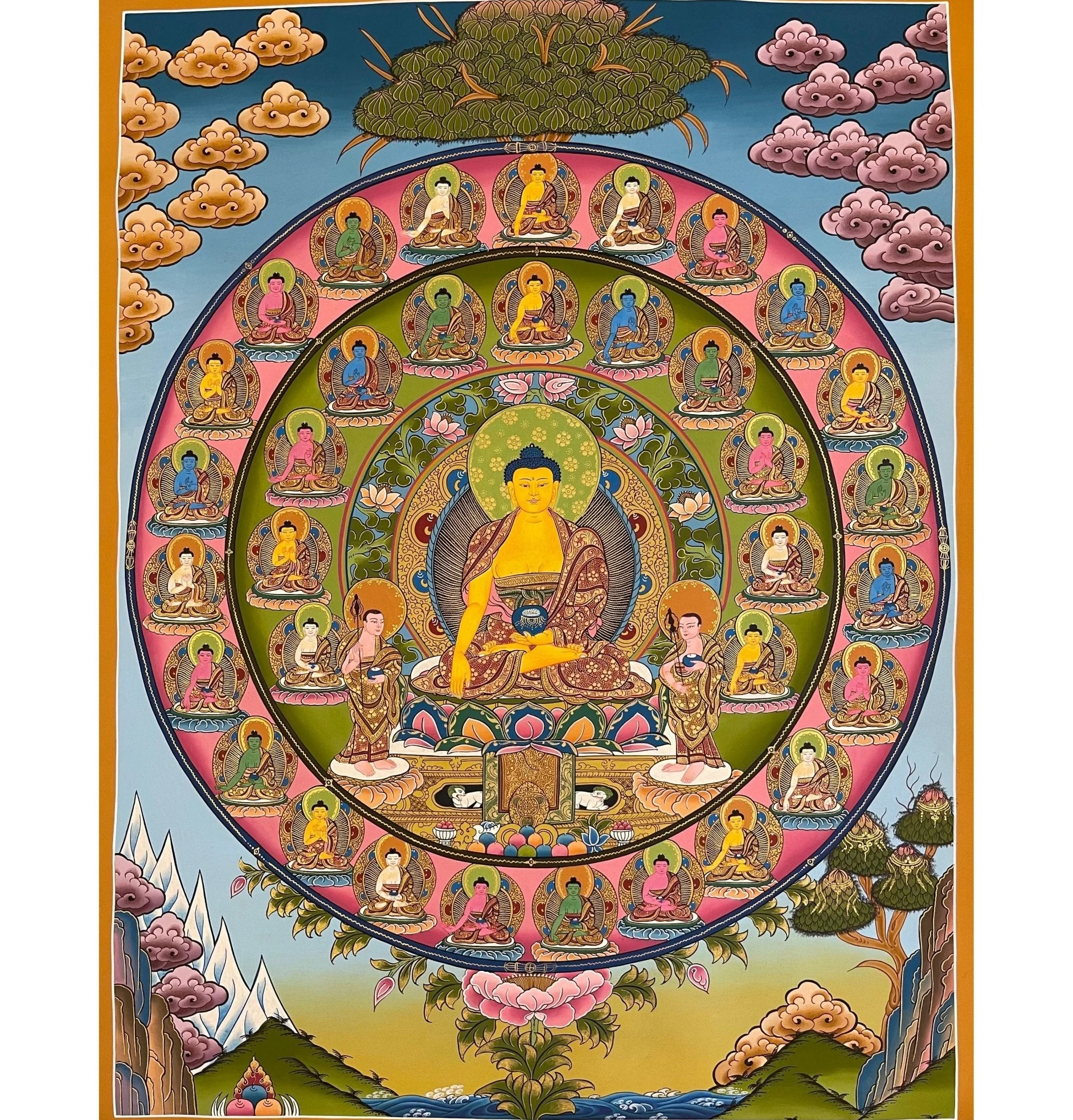
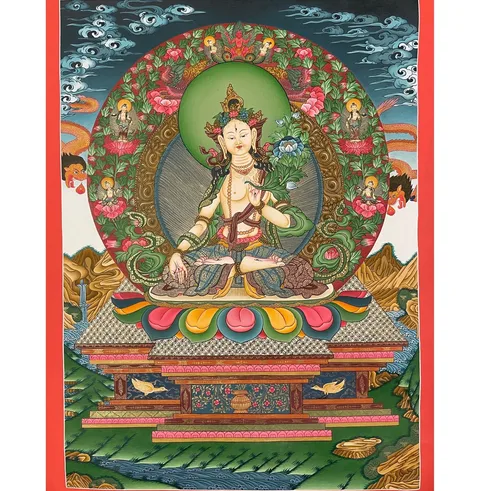
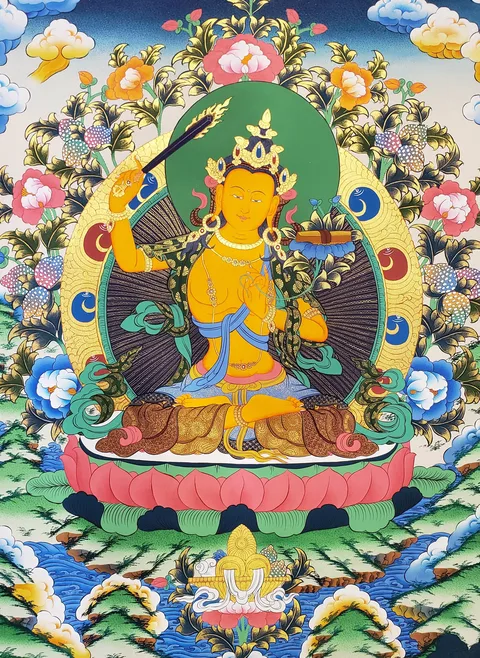
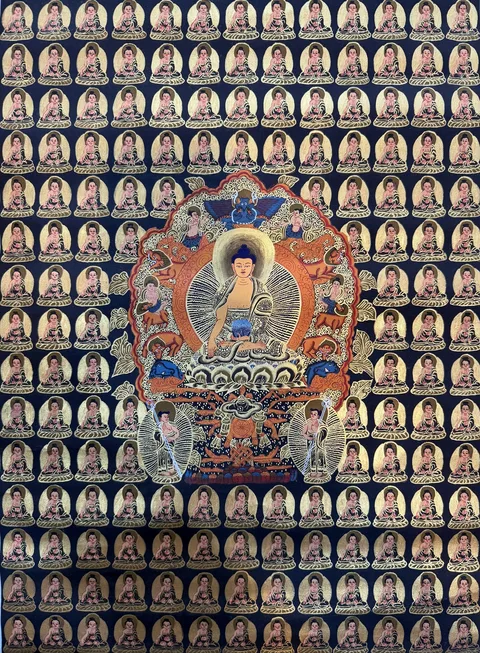
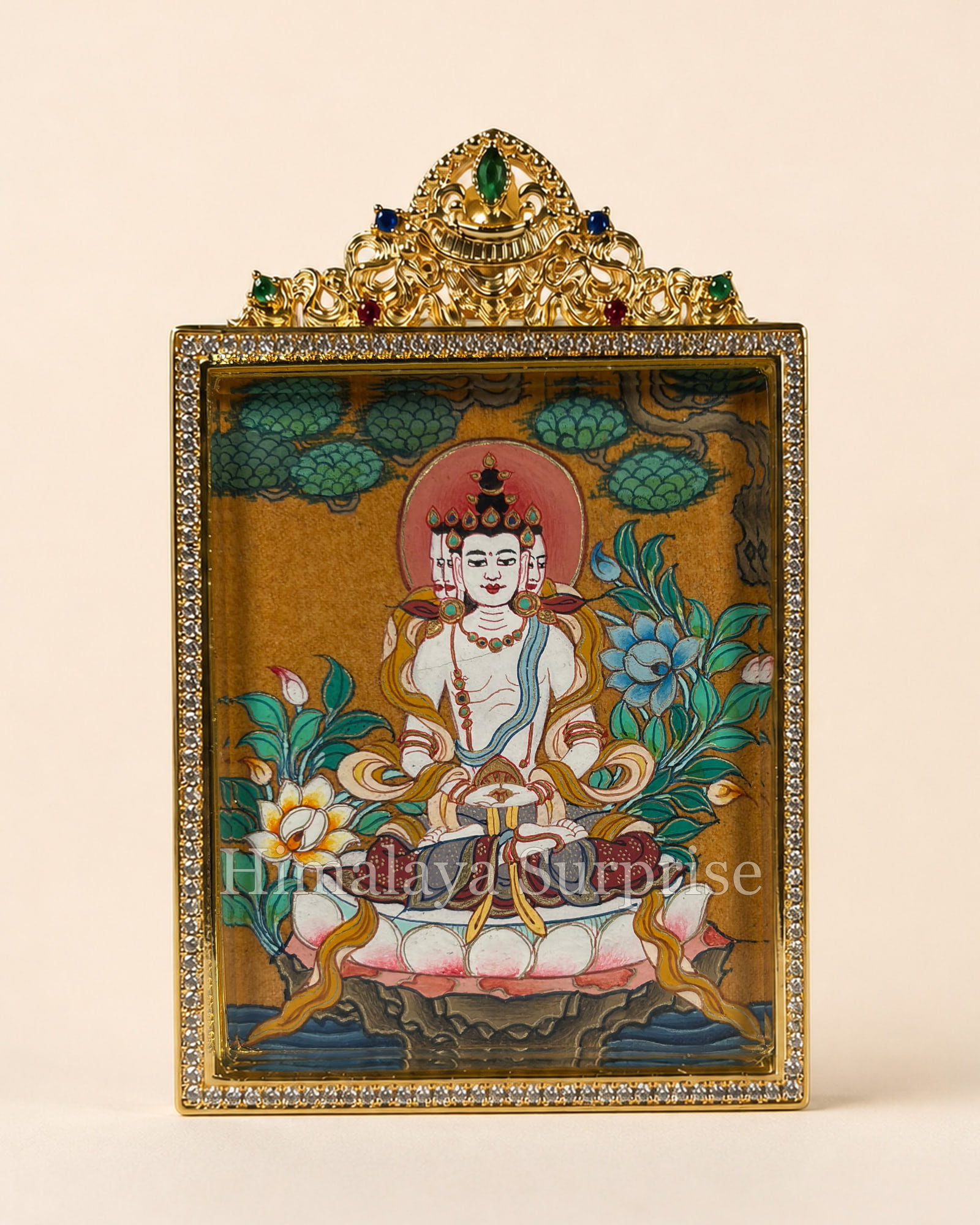
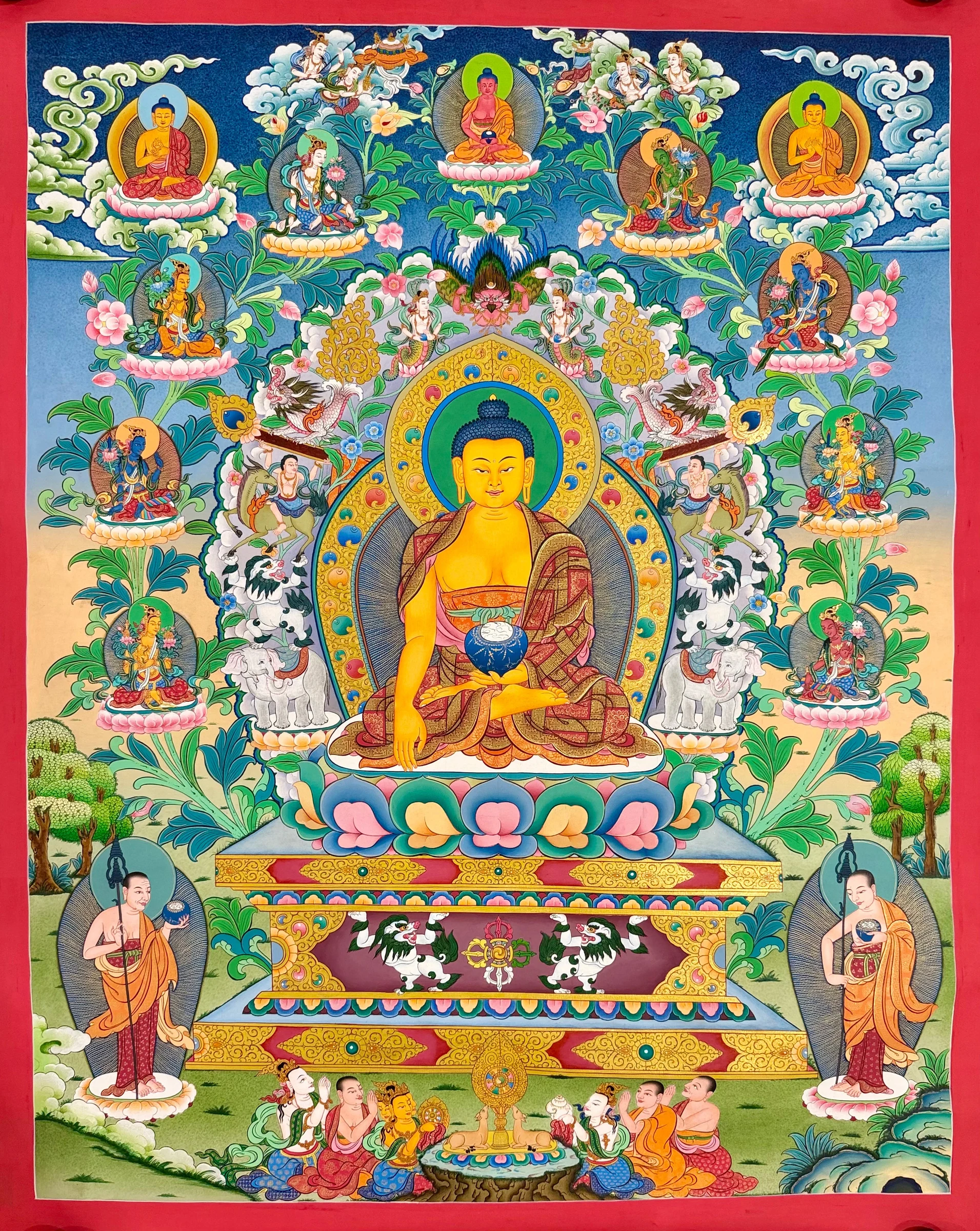
The central figure, its attributes and halo, the landscape, and the surrounding ornament need to work together. A composition with many elements calls for control of proportion and space. A simpler composition also needs clear placement and a readable hierarchy. Look at the figure’s proportions, the position of the surrounding imagery, and the open spaces as parts of the same arrangement.
Facial Drawing and Expression
The drawing of the face and eyes is an important place to assess the painter’s work. The two sides of the face, the placement of its features, and the direction of the gaze should feel coordinated. A peaceful figure calls for a calm, approachable expression; a wrathful figure calls for the authority and force appropriate to its subject. Expression, gaze, and posture need to support one another.
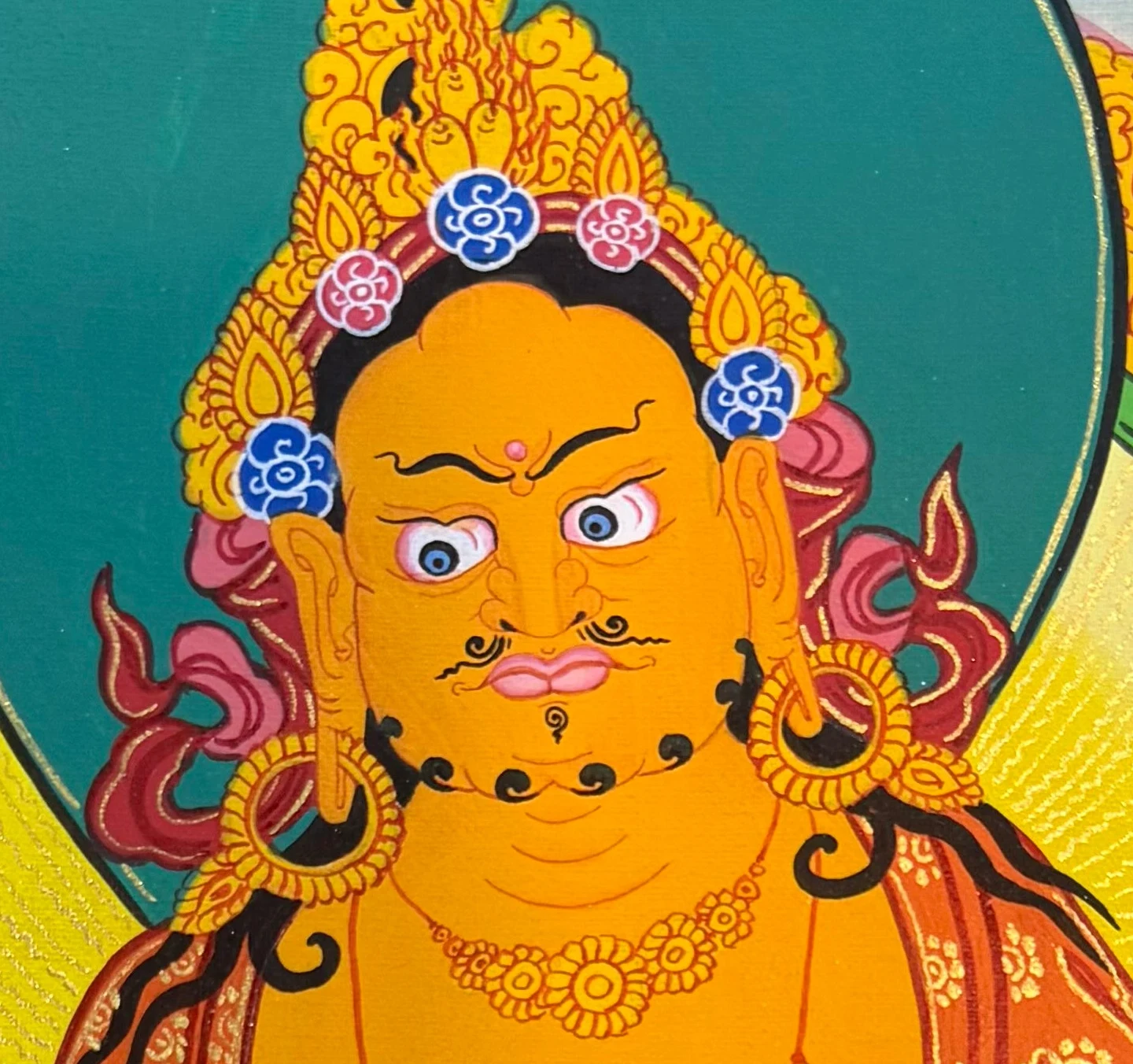
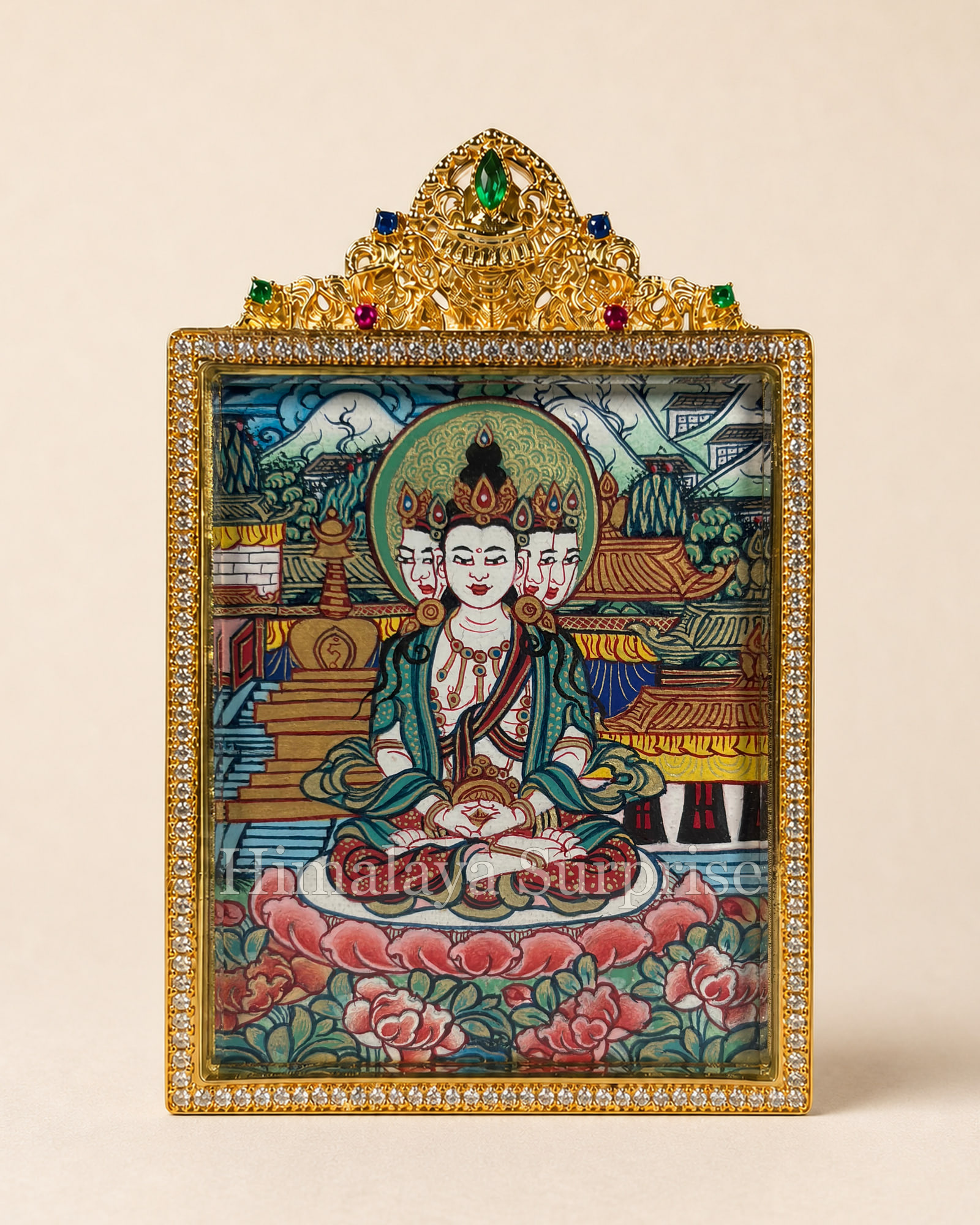
Look at the face from different positions in front of the painting. The relationship between the eyes, the shape of the face, and the other features should remain coherent. Faces, hands, and feet occupy much less space in a miniature thangka, making small inaccuracies more concentrated. Judge details in relation to the work’s size: small and large paintings call for different viewing scales.
Line Work and Drapery
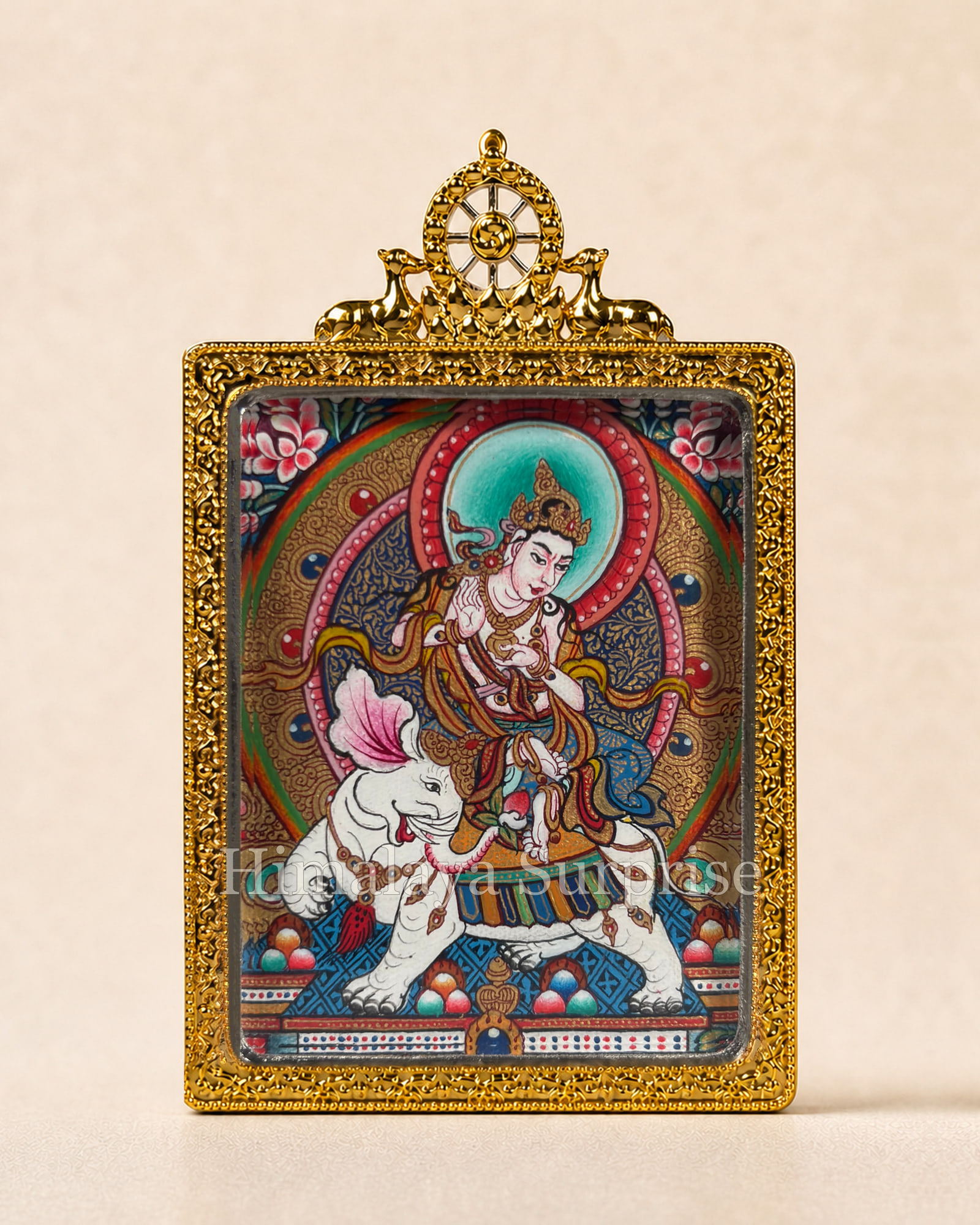
Contours around the body should be fine, even, and continuous, maintaining a flowing movement over longer distances. Lines in clothing, clouds, flowers, leaves, and landscape elements also need continuity. Curving folds describe layers of fabric. Changes in line weight, with fuller middles and tapering ends, help convey the turns and fall of the cloth.
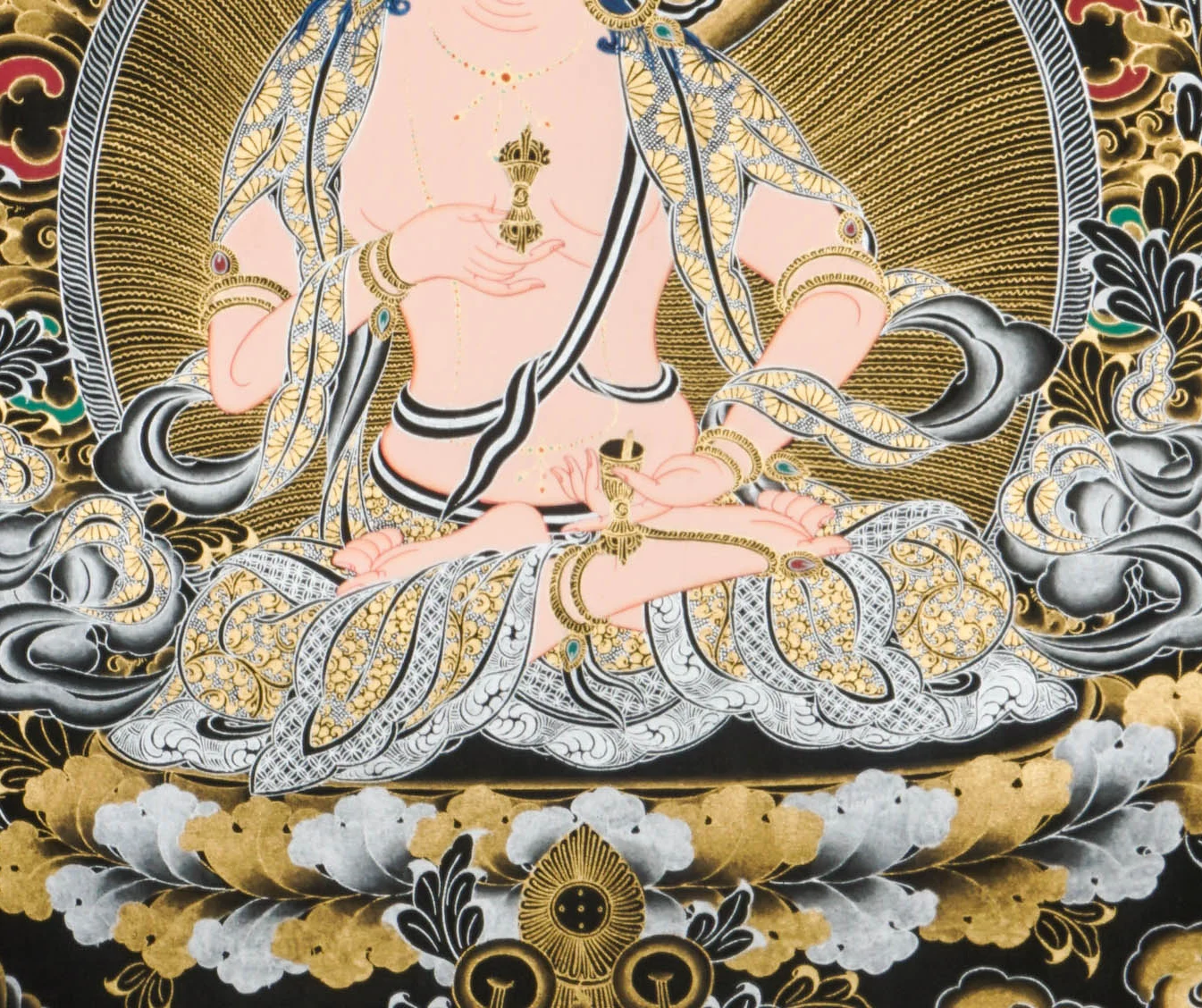
Long contours make the steadiness of joined brushstrokes especially apparent. An arm, a fold, or another extended line may be painted in stages. Gaps, ragged edges, or abrupt changes in thickness at the joins interrupt its flow. Hands and feet combine small areas with complex joints. Look at the length, thickness, and turns of the fingers, toes, and joints when examining these details.
Colour and Shading
Look at the clarity of the colours, the boundaries between them, and their transitions. Where colours meet, the edges should be clean; changes between light and dark should unfold naturally. Flesh tones should be soft, with visible tonal depth. Clouds, flames, clothing, and other forms with volume often gain their light and dark passages through layered colour.
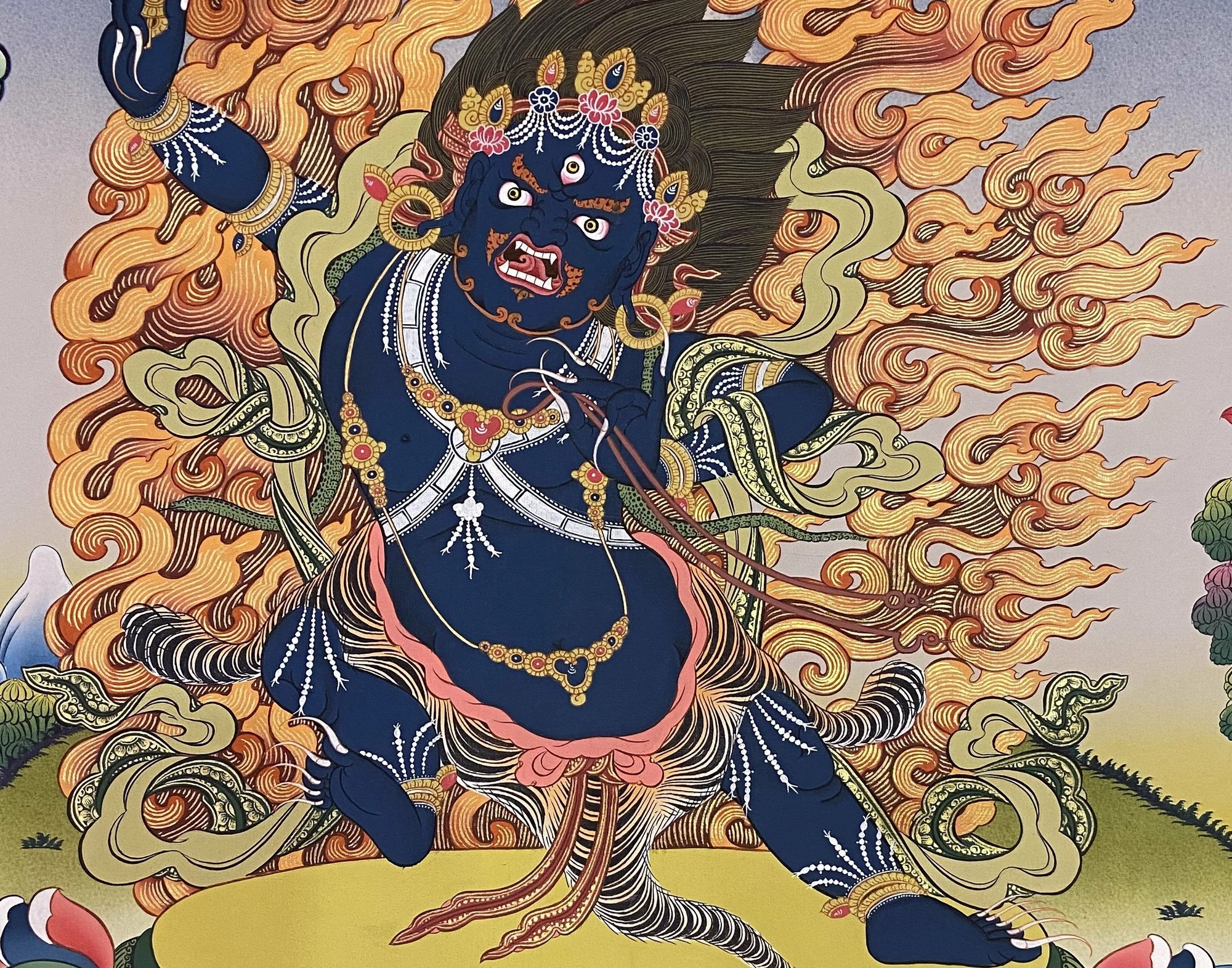
Shading depends on a continuous transition from dark to light. In a finely handled passage, you can follow the gradual change without finding an abrupt dividing line. Coarser transitions can look like separate bands of colour and weaken the sense of volume. Cracks, colour loss, or confused passages need to be considered alongside paint preparation, application, and preservation. These surface features alone do not establish a painting’s age.
Gold Lines and Small Details
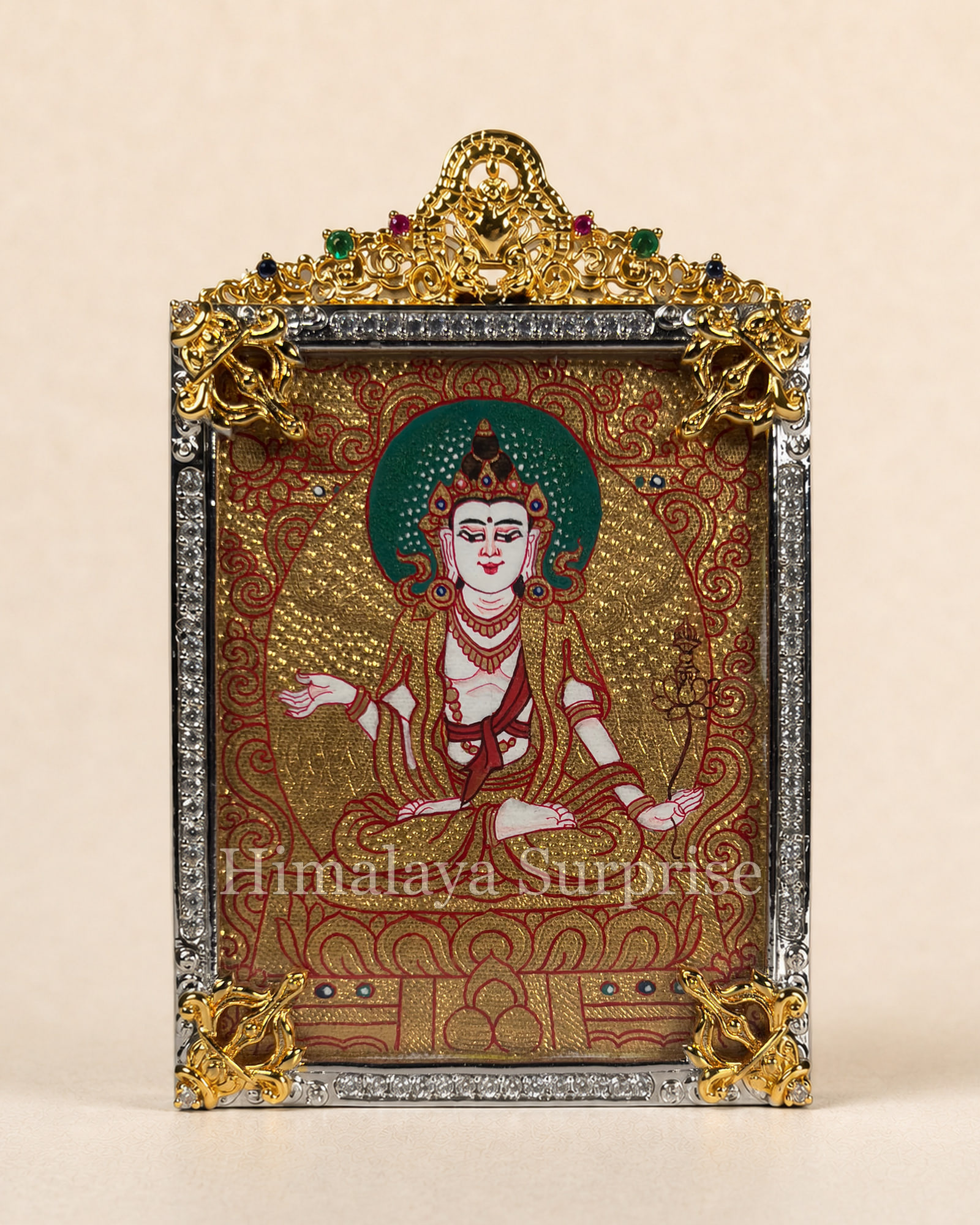
Gold lines often appear on garments, halos, flowers, and leaves. The patterns they describe should be clear and orderly, with clean edges. When dense ornament runs together, the structure of the clothing and the layers of detail become harder to read.
Enlarge hands, feet, drapery, flame patterns, and other intricate areas. Continuity, changes in line weight, and controlled turns within a small space reveal how the painter handles the brush tip and the available area. A greater number of details does not by itself mean a more accomplished finish. The patterns still need a clear structure and steady lines.
Canvas, Pigments, and the Painted Surface
Before painting, the canvas is stretched, sized, and polished to create a surface suited to receiving pigment. In traditional hand painting, mineral materials are ground and mixed before colour is applied in layers. The surface can retain variations in pigment particles, thickness, and accumulated colour. Gold powder, gold leaf, or other gold-coloured materials can also produce surface effects that work with the painted image.
Under magnification, a printed image may reveal a regular screen pattern or softened lines. A hand-painted surface can show brushwork, varying paint thickness, and changes in line weight. Read these surface clues alongside the proportions, facial drawing, lines, and colour, checking that the local details agree with the finish of the whole painting.
A complete assessment brings the overall structure together with several close observations. Proportion establishes the figure’s structure; facial drawing gives it expression; lines and drapery reveal brush control; colour and shading create depth; gold lines and dense ornament show the finish of the details; and canvas and pigment surfaces retain traces of the making process. Looking at the composition, face, long contours, hands and feet, colour, gold lines, and surface together gives you a fuller understanding of the painting’s execution.