Subjects and Meanings
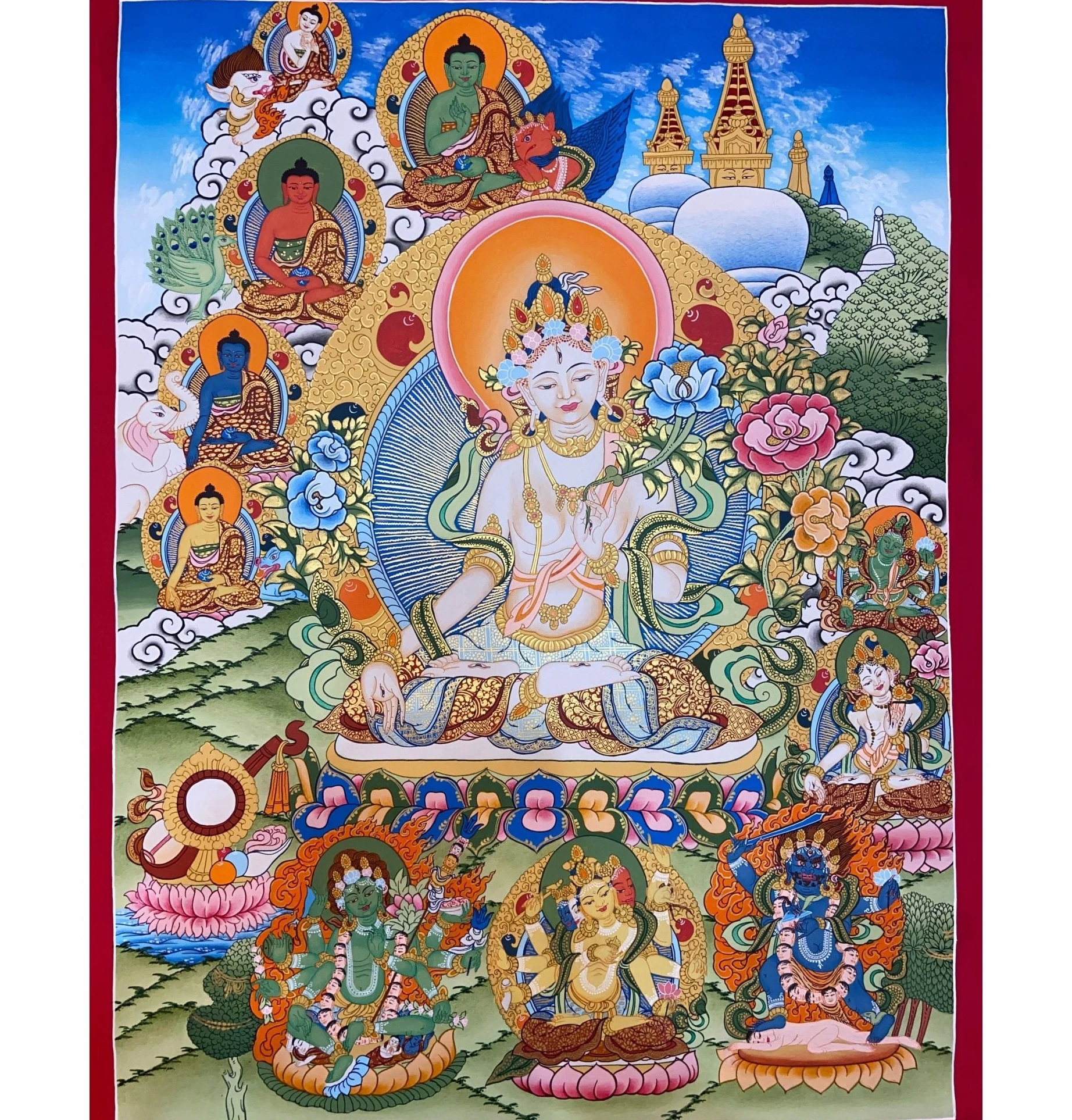
The Medicine Buddha is associated with wishes for health, while White Tara is cherished for her association with long life. Either subject can express a wish for the health and longevity of a parent or older relative when chosen as a gift.
Green Tara carries wishes for protection, harmony at home, and success at work. She is a fitting choice for someone wishing to offer blessings to themselves and their family.
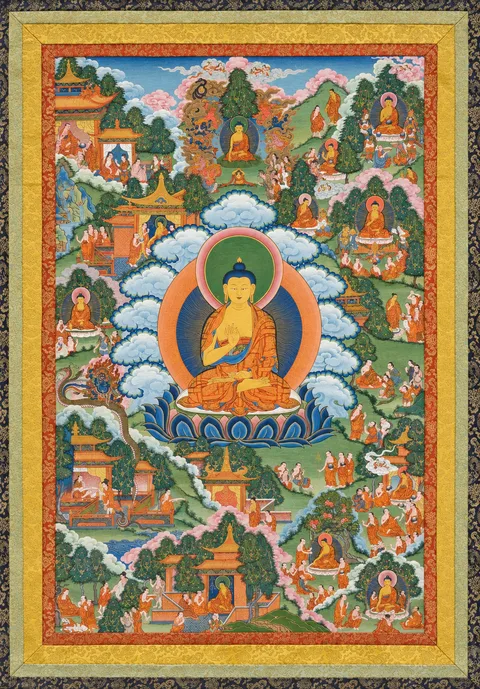
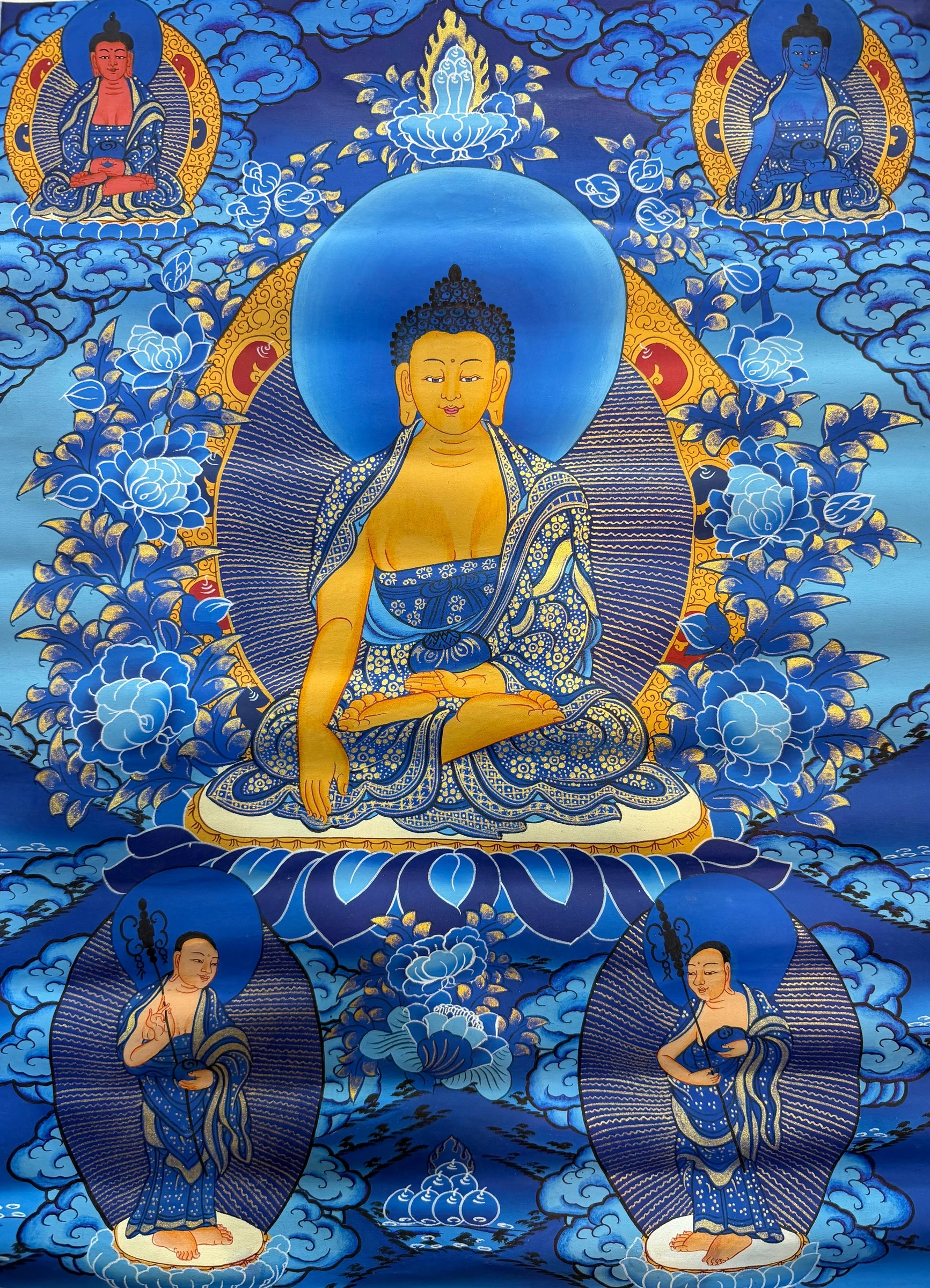
Shakyamuni Buddha is a choice for those seeking to express a wish for inner calm, peace, and well-being.
Manjushri symbolizes wisdom and is associated with aspirations for learning and professional life. As a gift for a student or younger family member, a Manjushri thangka can express encouragement for their studies and growth.
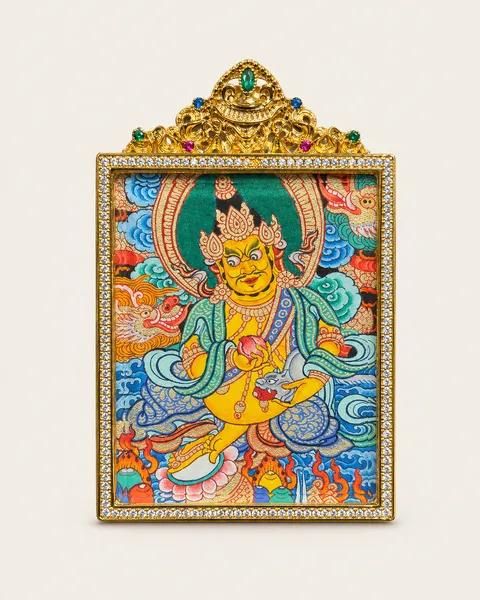
Yellow Jambhala and Vaishravana are associated with wishes for prosperity and success in business. These subjects can be chosen as a gift for a friend running a business, or to express a wish for one's own work to flourish.
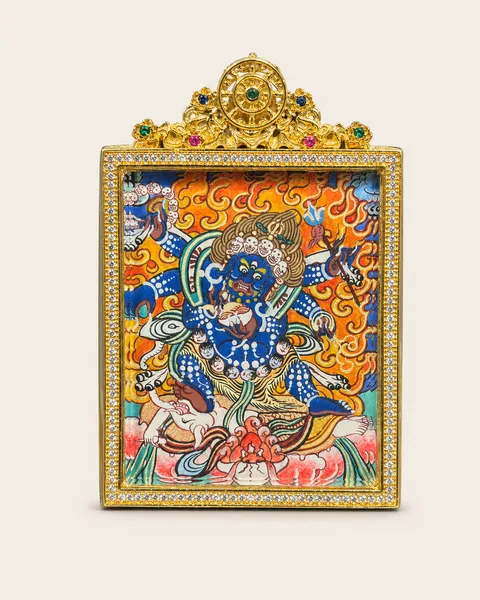
Mahakala is another choice for those seeking protection through difficulties or blessings for their work. His formidable, wrathful appearance carries meanings of protection and compassion.
When comparing paintings of the same subject, give your own taste a place in the decision. Choose an image you find pleasing and feel drawn to.
Chinese Zodiac Guardians
If you would like a guardian figure associated with your birth year, the Chinese zodiac offers one approach. It assigns an animal sign according to birth year, with twelve signs linked to eight guardian figures:
- Rat: Avalokiteshvara.
- Ox and Tiger: Akashagarbha.
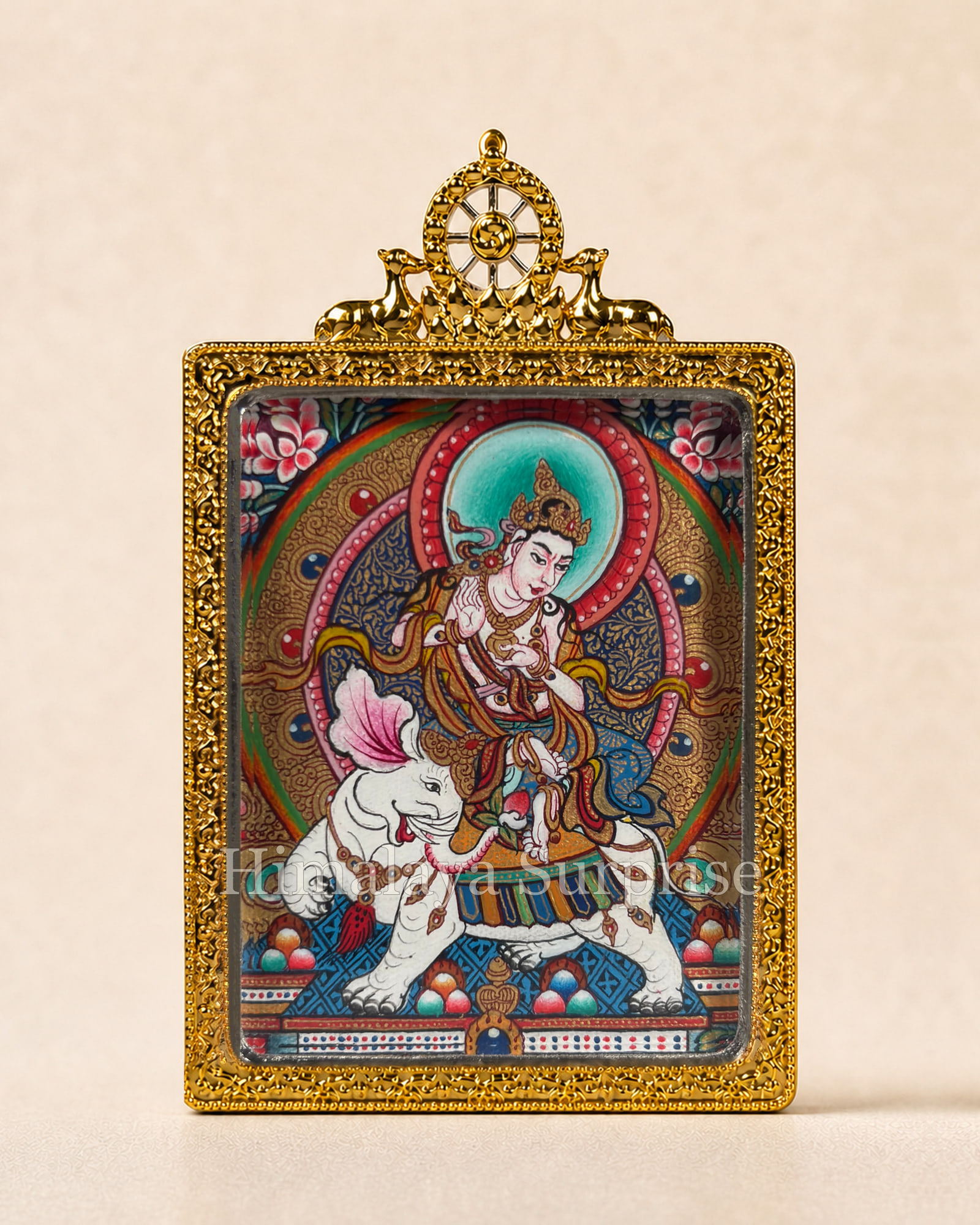
- Rabbit: Manjushri.
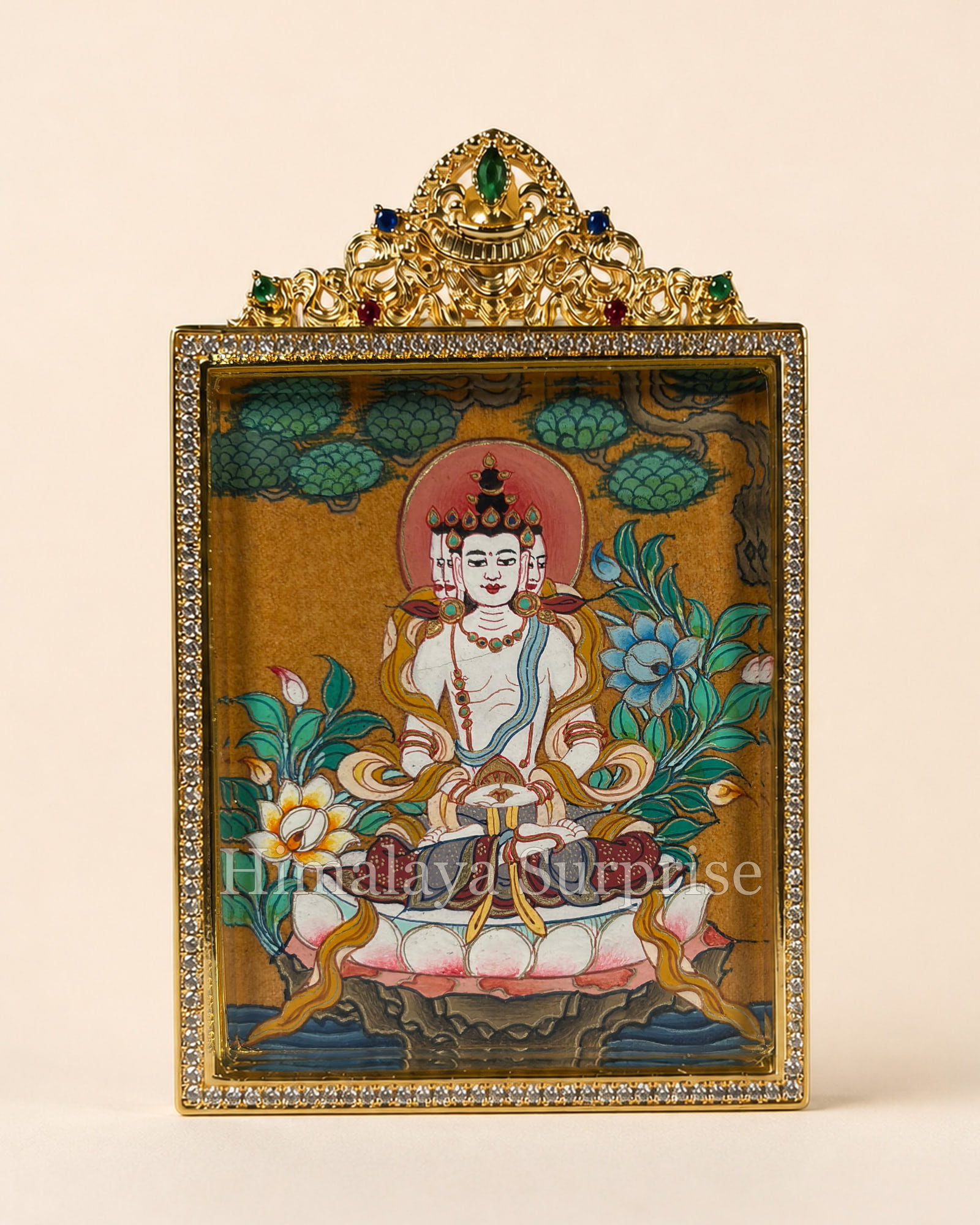
- Dragon and Snake: Samantabhadra.
- Horse: Mahasthamaprapta.
- Goat and Monkey: Vairocana.
- Rooster: Acala.
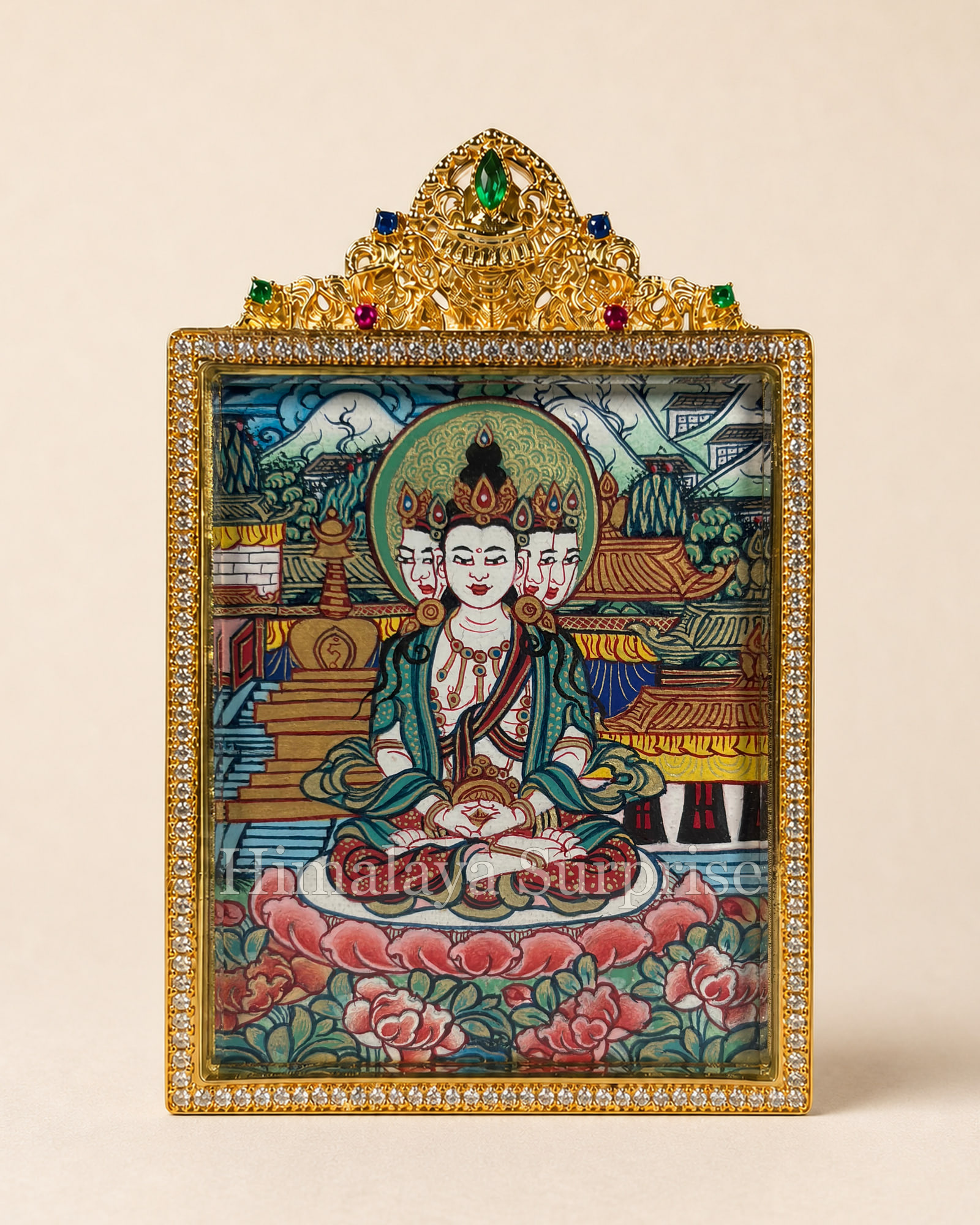
- Dog and Pig: Amitabha.
Hand-Painted and Printed Thangkas
A genuinely hand-painted work is the preferred choice. The painter draws the lines, applies the colors, and renders the face by hand, investing time, skill, and care in each stage. Even when the same artist paints the same subject again, the brushwork and details will differ.
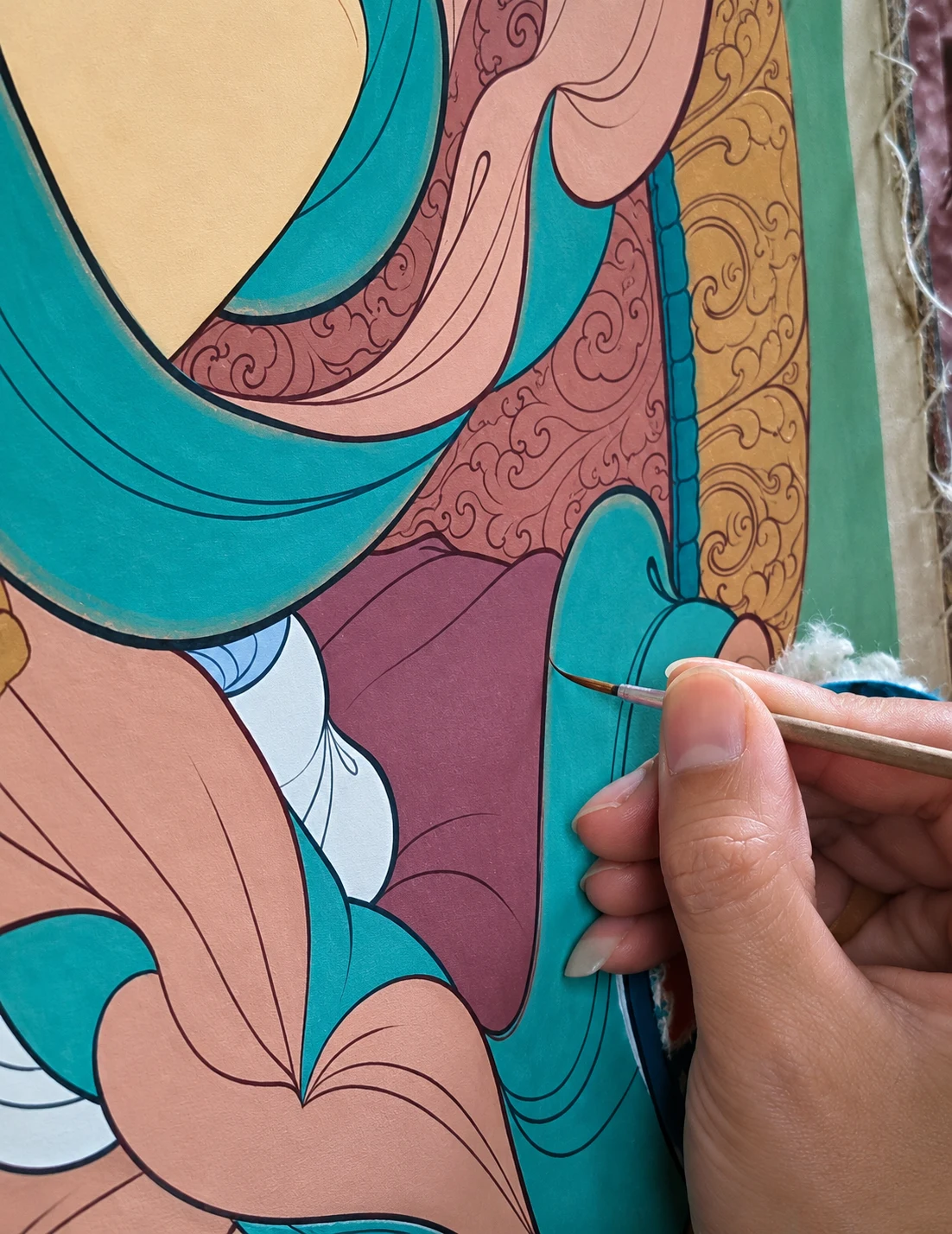
Painters also regard making a thangka as spiritual practice. They quiet the mind, set aside distracting thoughts, and work with reverence for the deity as they outline, color, and finish the face. They regard this process as an accumulation of merit. For someone choosing a thangka as an expression of faith or a wish for blessing and protection, the practice and intentions carried by a hand-painted work are part of the reason to prefer it.
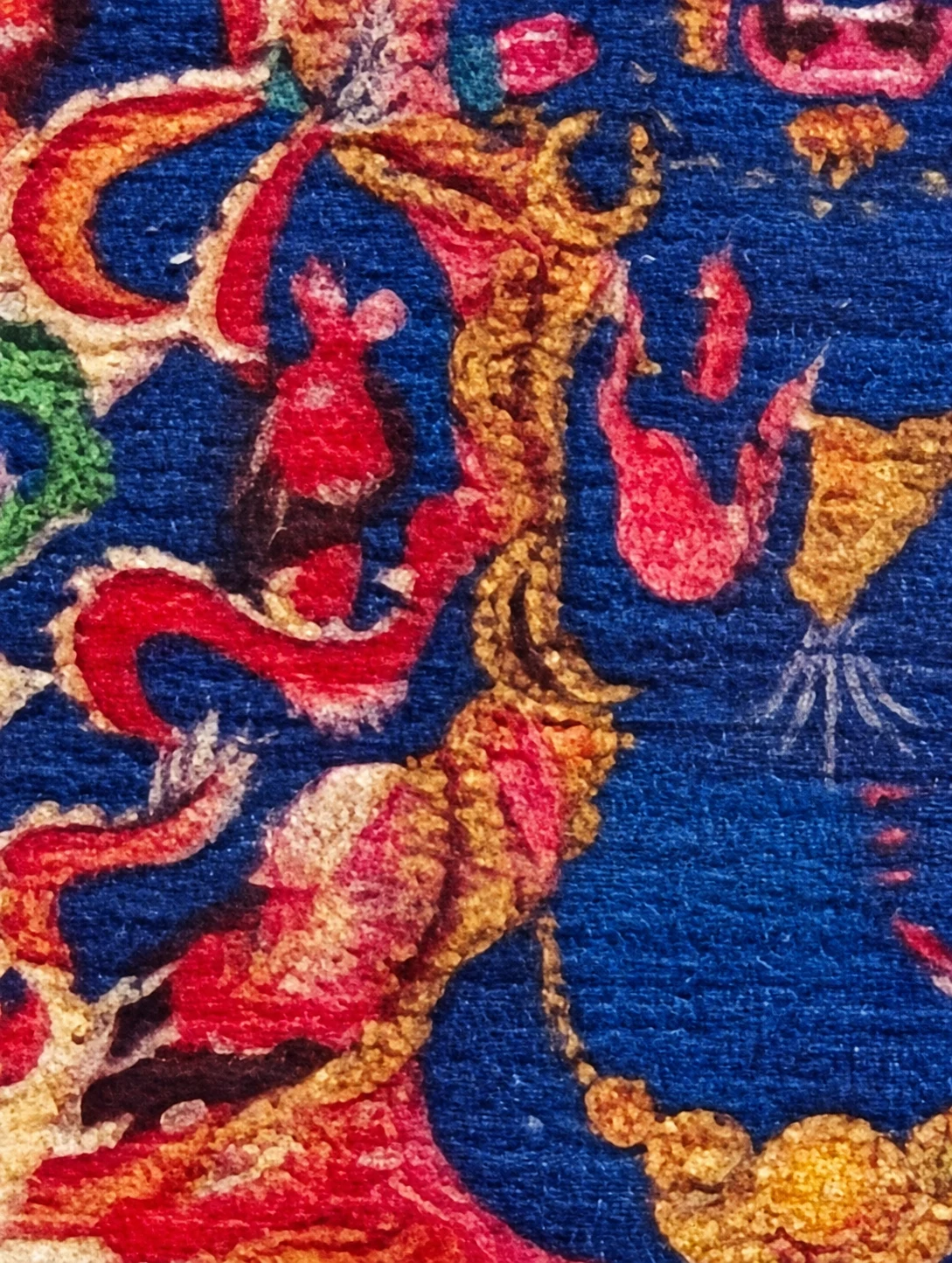
Printed thangkas reproduce an existing image by machine, allowing the same composition to be made repeatedly. In a hand-painted work, changes in brush pressure, line thickness, and layers of pigment develop through the act of painting. An ordinary print has a flatter surface, without that texture of individually applied brushwork.
Craftsmanship and Detail
Compare hand-painted works of the same subject by placing enlarged images side by side. Look at the lines, faces, and ornaments in corresponding areas. Fine lines remain fluid through turns, with a sense of rhythm in their changing thickness. Continuous curves in drapery and flames reveal the steadiness and continuity of the brushwork.
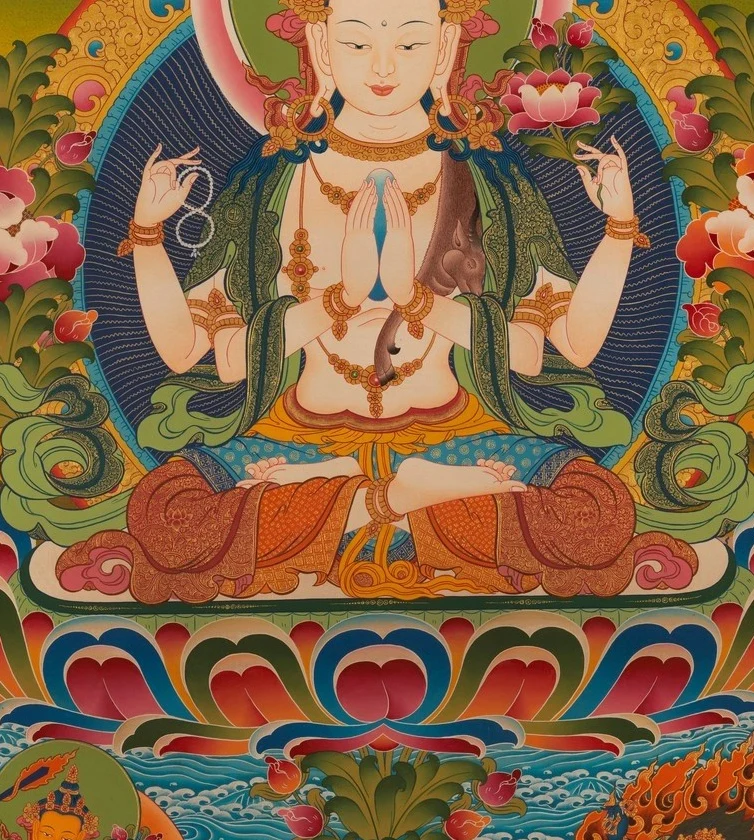
Shading also shows the care taken in painting. Skin, petals, clouds, and lotus seats can have finely graded transitions in depth, light, and shade. A cloud moving gradually from deep blue to pale blue provides one example.
The rendering of the face is known in Chinese as “opening the face.” Buddhas and bodhisattvas are depicted with compassionate, harmonious expressions, while wrathful protectors convey a sense of formidable strength.
Enlarge the shading on a crown or the painted openwork of an earring to compare the handling of small details.
Where clothing includes a tiger-skin pattern, compare how finely the stripes and the texture of the fur have been rendered.