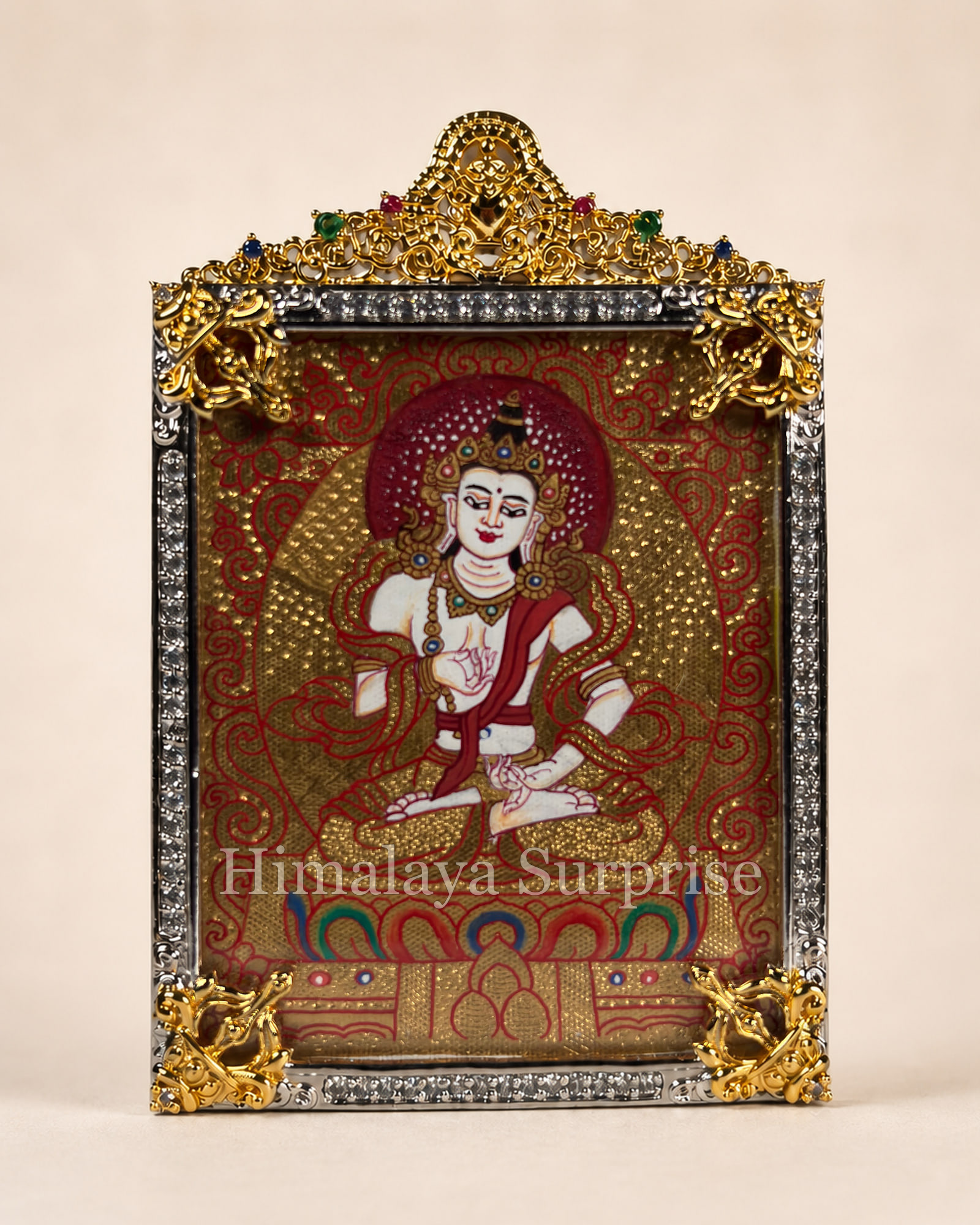
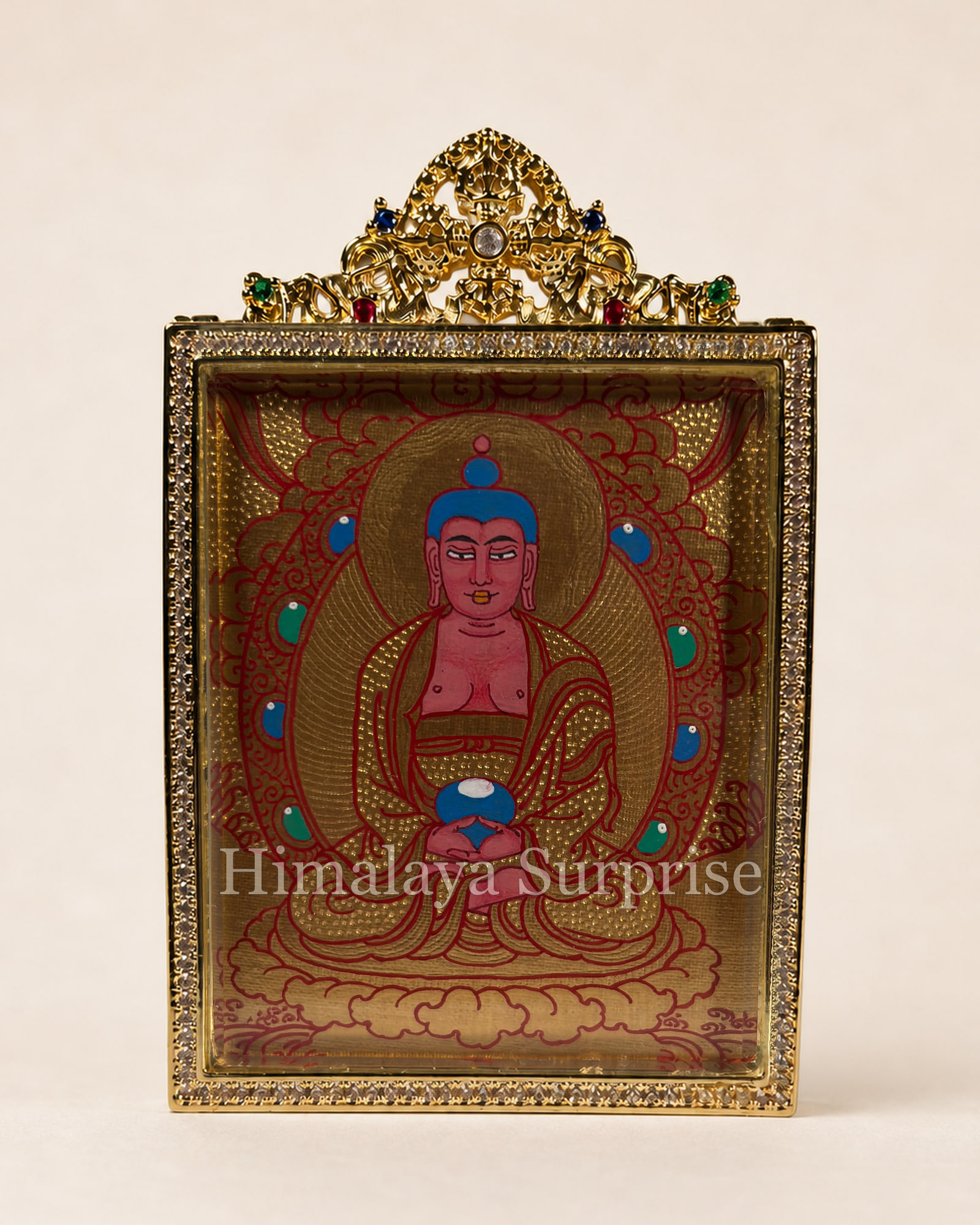
Amitabha is associated in Pure Land traditions with immeasurable light and compassionate aspiration; people often cherish the image as a reminder of peace and benevolence.
Complimentary tracked delivery to eligible destinations, with duties and import taxes included

Tibetan Buddhist painting
Thangka are sacred images in Tibetan Buddhism, painted for devotion, contemplation, teaching and shrine display. Explore available works by subject, traditional meaning, maker and scale.
Shop available worksLoading works…

Subject & tradition
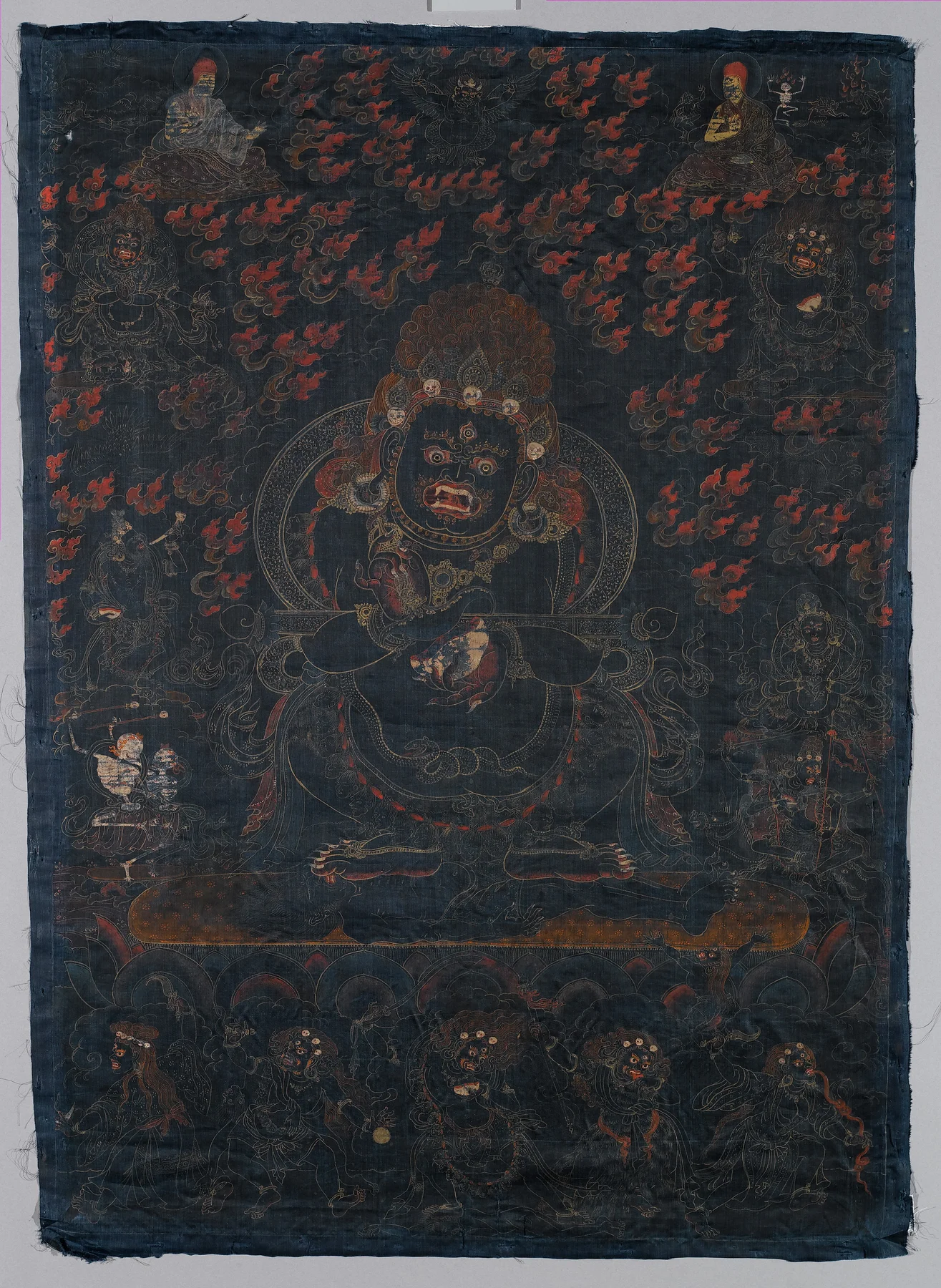
In Tibetan Buddhism, a thangka presents a Buddha, bodhisattva, teacher or mandala through an established iconographic language. Posture, gesture, attributes and surrounding figures support devotion, contemplation and learning.
Begin with the figure and its traditional associations, then compare drawing, colour, maker, materials, dimensions and condition on the individual work page.
Before you choose
Ask us for more photos, video, dimensions, and advice on display, wear or delivery to your destination.
Enquire about a workRelated guidance

Discover

Discover

Discover
More collections

Amitabha is associated in Pure Land traditions with immeasurable light and compassionate aspiration; people often cherish the image as a reminder of peace and benevolence.

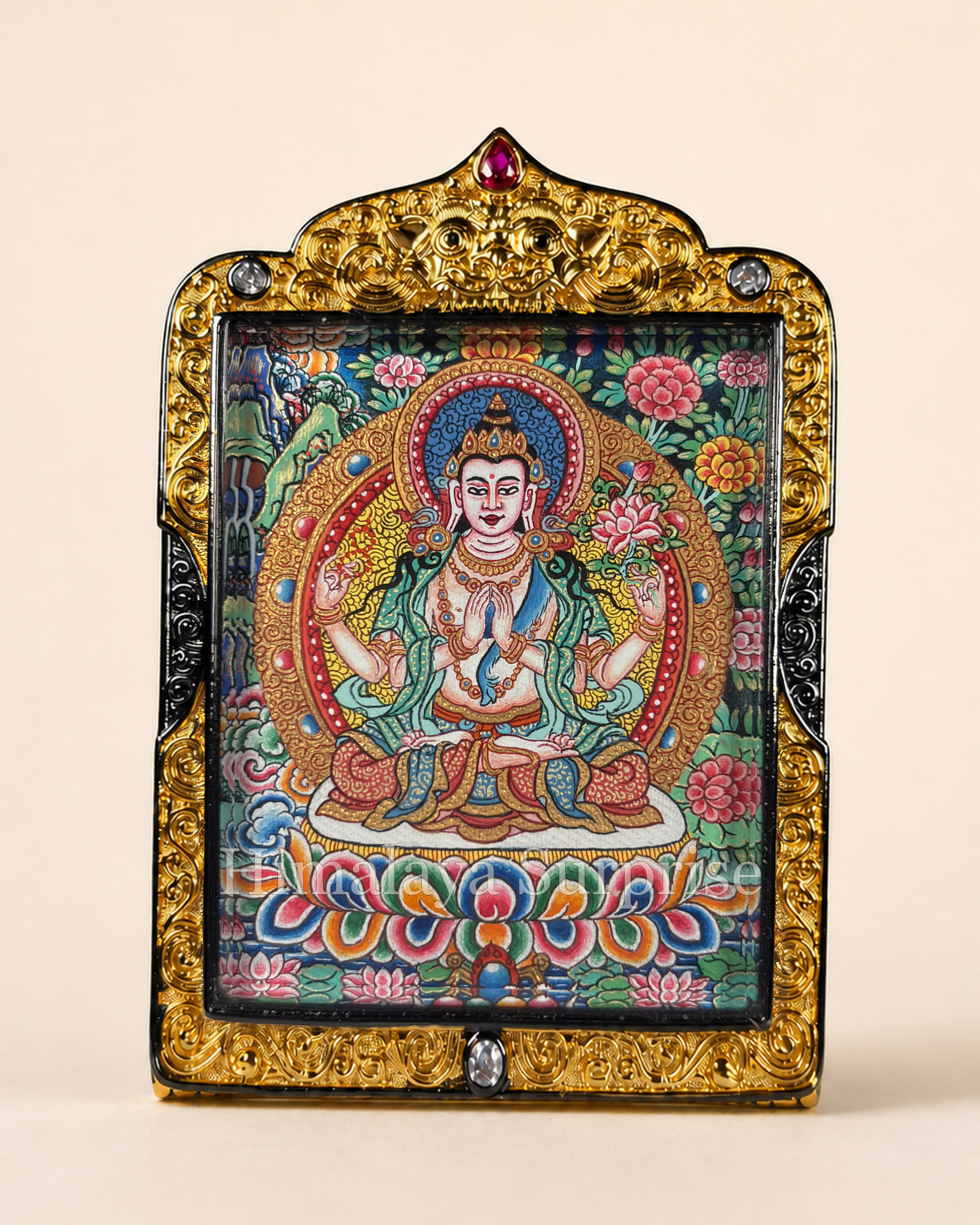
Avalokiteshvara is traditionally associated with compassion, attentive listening, and responsiveness to suffering; people often cherish the image as a reminder of care and quiet strength.

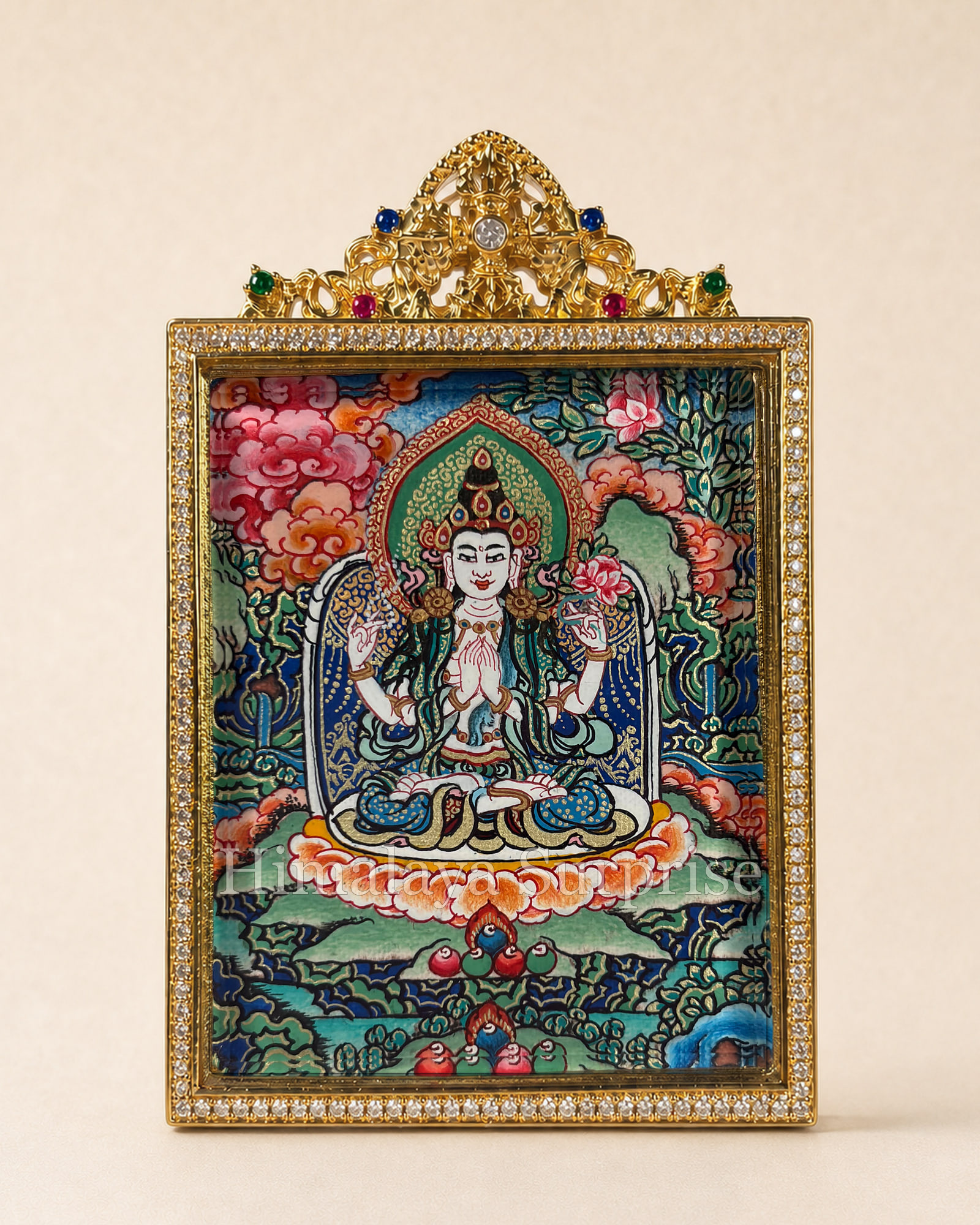
Four-Armed Avalokiteshvara is traditionally associated with compassion, attentive care, and the aspiration to benefit beings; people often cherish the image as a reminder of kindness and balance.

Four-Armed Avalokiteshvara is traditionally associated with compassion, attentive care, and the aspiration to benefit beings; people often cherish the image as a reminder of kindness and balance.